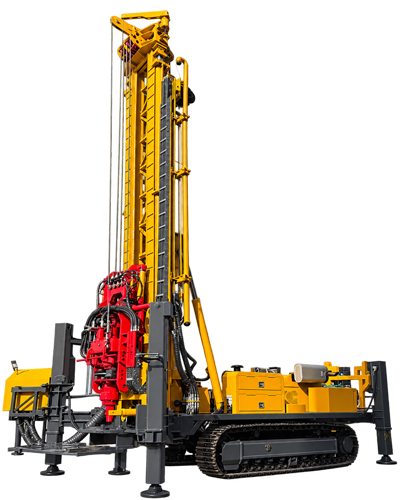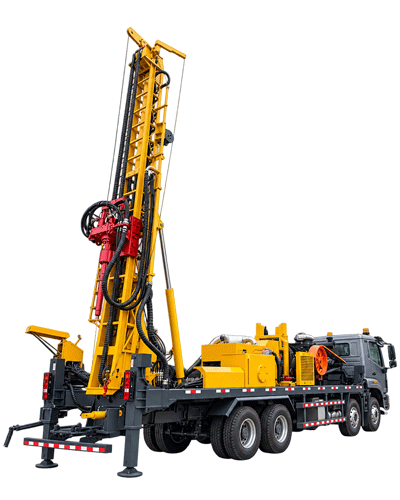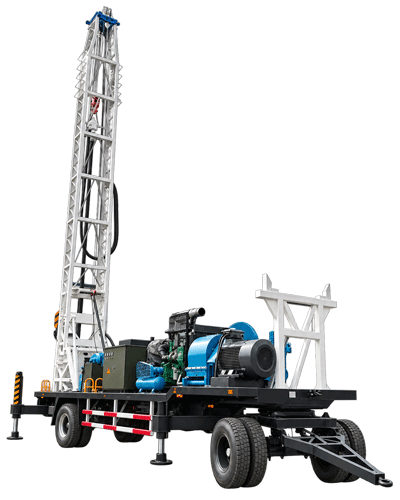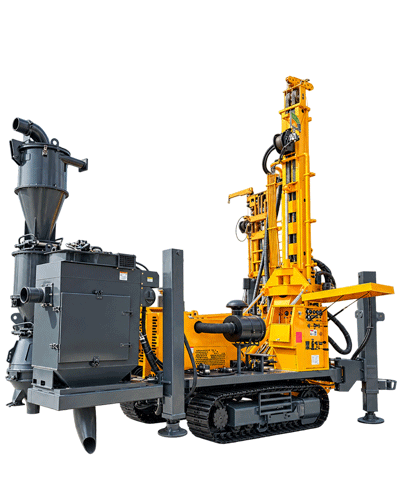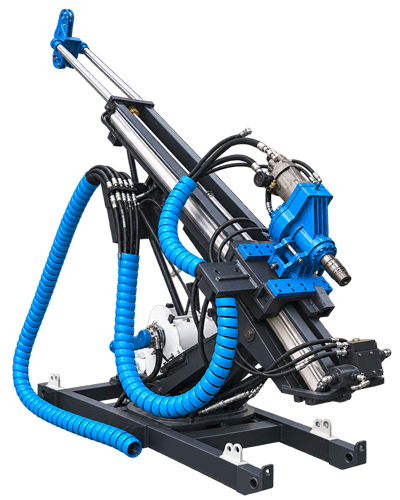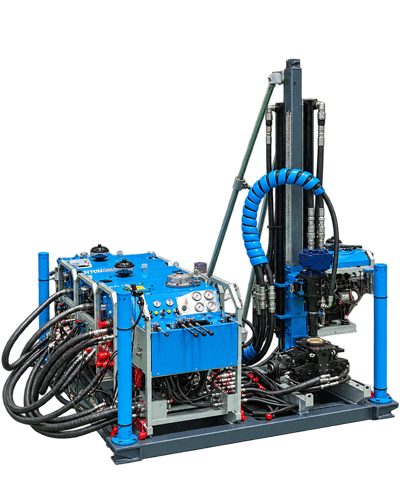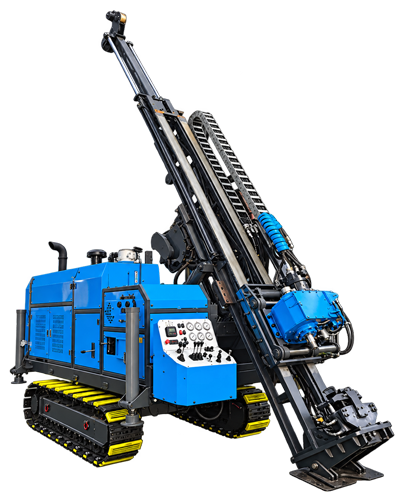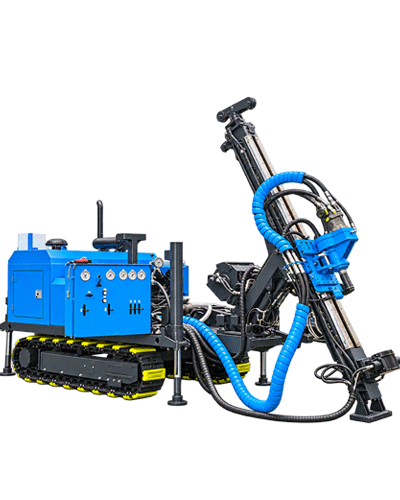
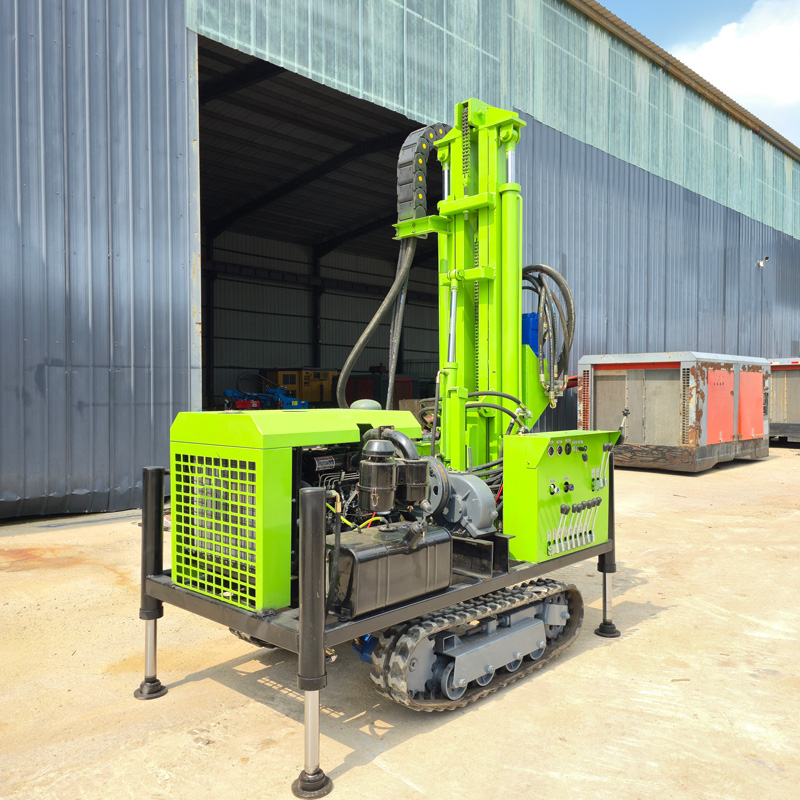
Crawler-Mounted Water Well Drilling Rig
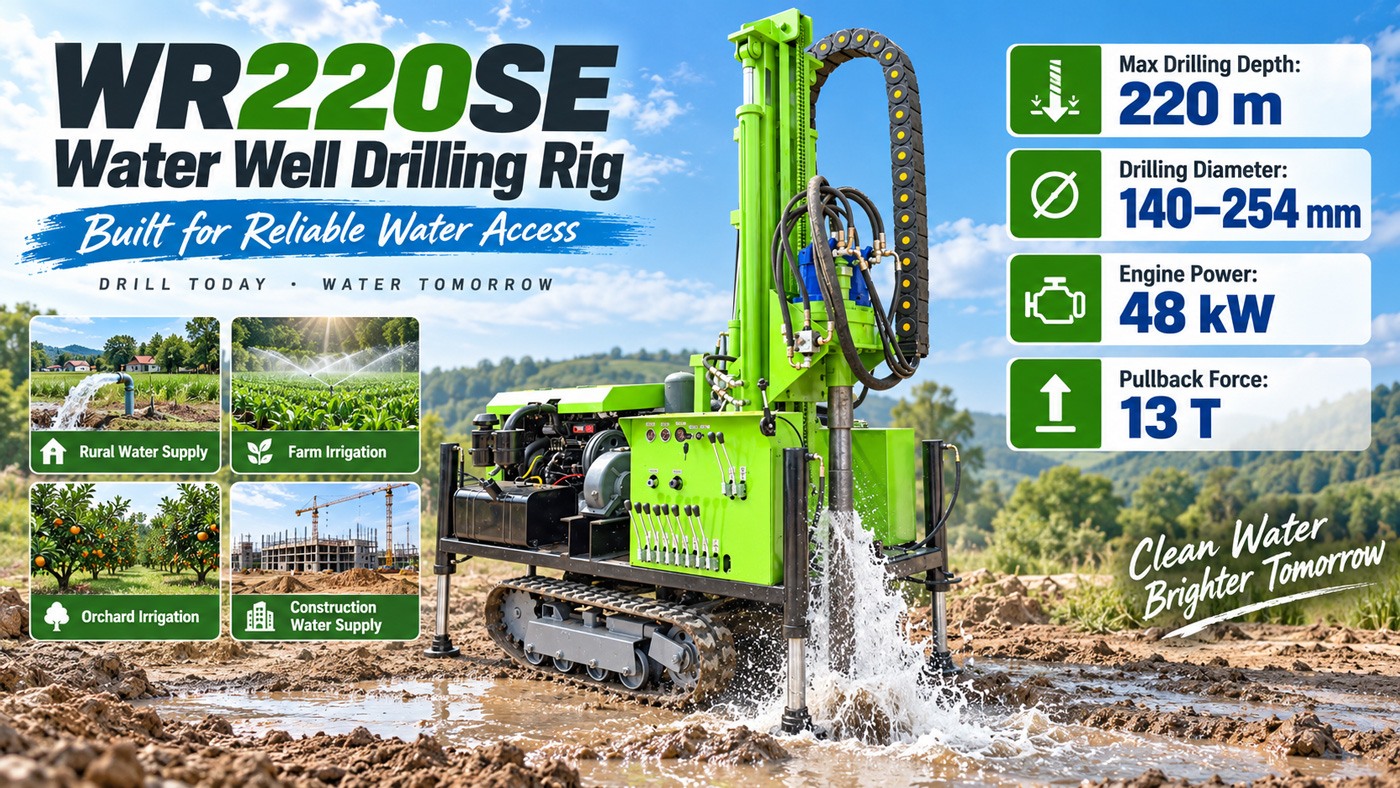
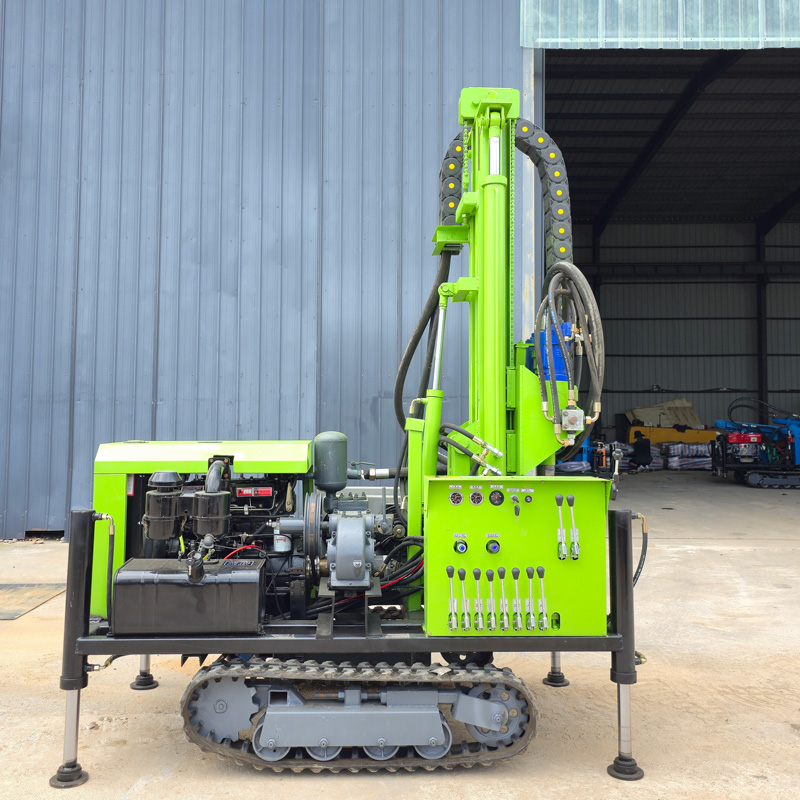
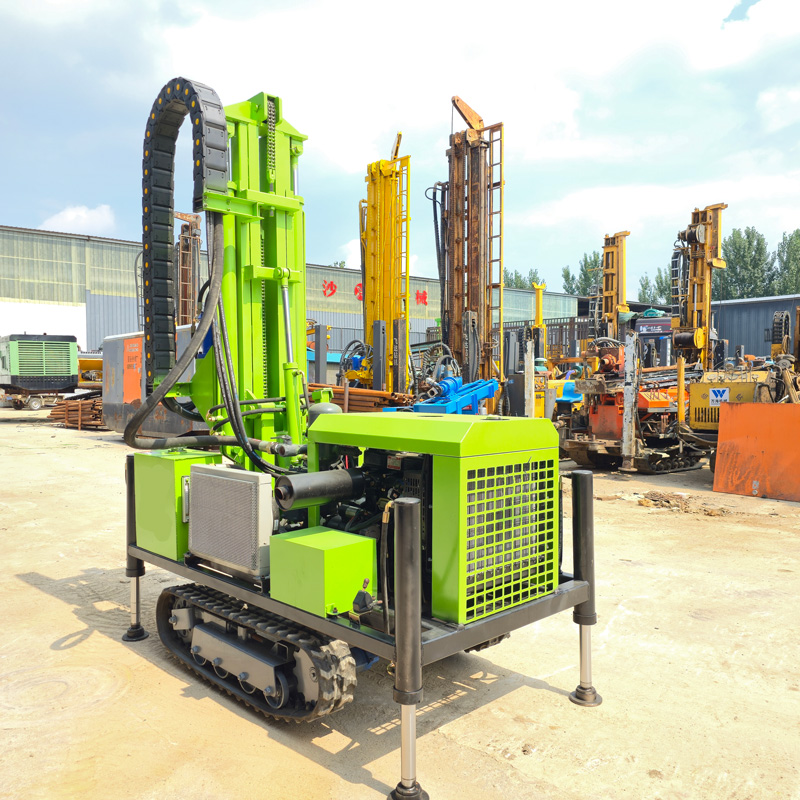
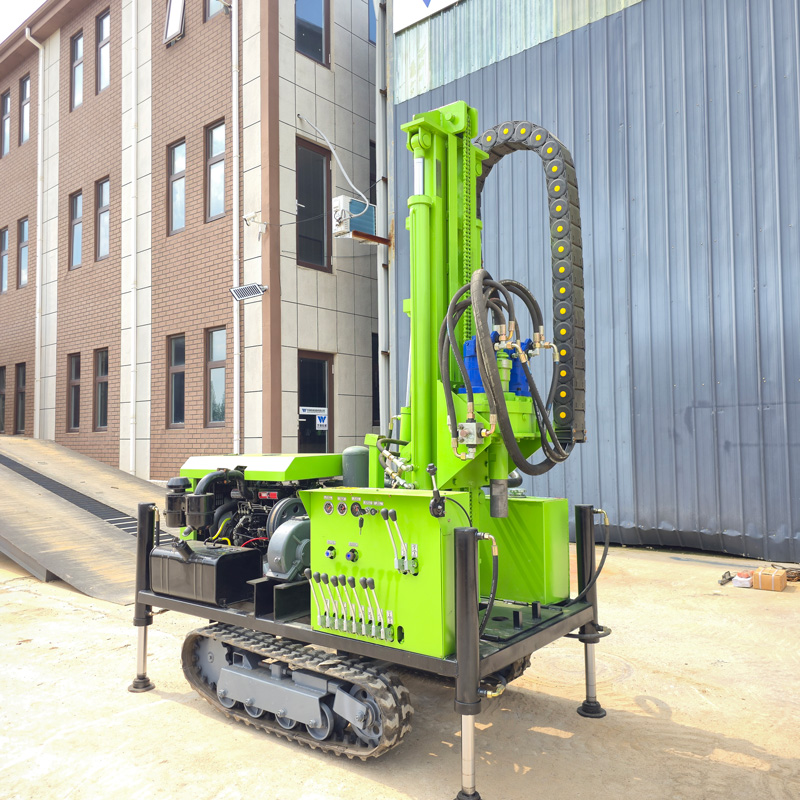
The WR220SE is a 220-meter-class crawler water well drilling rig that highlights "compact, flexible, water-air dual-purpose, and cost-effective." Compared with 200-meter-class basic models, it further increases drilling depth while maintaining a compact body and relatively low overall weight, making it suitable for rural areas, farmland, orchards, farms and construction sites with limited space. For customers who need frequent relocation, have a limited budget but still want to cover more conventional water well projects, this equipment offers strong practicality.
The E in WR220SE stands for the cost-effective version. Its positioning is not to pursue the high power and complex configuration of large deep-hole equipment, but to retain core capabilities within the common 220-meter-class water well construction range. The 48 kW power, 13 T lifting force, 3400–4700 N·m rotary torque and water-air dual-purpose drilling method enable the equipment to cover many rural and agricultural projects while controlling equipment procurement, transportation and maintenance costs.
The overall dimensions are approximately 3950 × 1750 × 2250 mm, and the weight is about 4.7 T, making it a small-to-medium crawler water well drilling rig. For rural roads, orchard passages, farmland edges, courtyards and construction points within enclosures, this compact body is easier to enter and adjust hole positions, and it also reduces dependence on large transport vehicles and wide construction surfaces.
The WR220SE is suitable for farmland irrigation wells, orchard water wells, nursery water supply and greenhouse water use projects. Compared with smaller equipment, the 220-meter-class drilling depth provides greater water-finding margin, especially suitable for hilly areas, dry farming areas and seasonal irrigation areas where groundwater levels vary greatly. The actual well depth should still be determined according to local hydrogeological data and aquifer location.
In areas with insufficient centralized water supply or remote villages, the equipment can be used for household domestic water wells, small public wells and village-level water supply projects. The 140–254 mm drilling diameter range can be selected according to well casing specifications, submersible pump size and expected water yield. During well completion, filter pipes and sealing sections should also be reasonably set according to the aquifer location.
Farms often require relatively stable water for drinking, cleaning and production. The WR220SE can be used for livestock drinking water wells, auxiliary wells for farms and small water supply projects in pastoral areas. Diesel power enables the equipment to work independently even on sites without a fixed power grid, making it suitable for relatively remote agricultural and farming environments.
The WR220SE supports water-air dual-purpose drilling, allowing a more suitable process to be selected according to formation conditions. For soil layers, clay and loose overburden, focus can be placed on hole stabilization and cuttings removal; after entering weathered rock or relatively intact rock formations, pneumatic drilling can be carried out with a DTH hammer and air compressor. Water-air dual-purpose is not a simple switch, but requires selecting the construction method based on hole wall stability, cuttings removal and formation hardness.
Weathered rock formations usually have faster drilling speeds, but the hole wall structure may be unstable. During construction, the advance speed should be controlled according to block falling, diameter shrinkage and water return conditions, and casing or hole cleaning measures should be taken in time. After entering relatively intact rock formations, a suitable DTH hammer, drill bit and air compressor should be used to keep impact, rotation and cuttings removal coordinated.
Sand layers and gravel layers are prone to hole collapse, drill burial and hole diameter enlargement, especially when groundwater is abundant. For such formations, priority should be given to hole wall protection and casing follow-up. When necessary, water drilling or other hole stabilization methods should be used. It is not recommended to rely solely on pneumatic drilling to quickly pass through.
Fissures and fracture zones may cause air leakage, block falling, drill sticking and abnormal cuttings removal. When encountering such hole sections, the advance speed should be reduced, continuous hole cleaning should be maintained, and changes in air pressure and water return should be observed. If the fracture zone is thick, casing or sectional treatment methods can be used to improve hole wall stability.
The rotary torque is 3400–4700 N·m, and the rotary speed is 45–70 rpm, which can cover most conventional 220-meter-class water well projects. The rotary parameters should match the drill pipe, drill bit, DTH hammer and formation. In intact rock formations, a stable rotation speed can be maintained; in fracture zones or when resistance increases, the rotation speed and advance should be appropriately reduced.
The 13 T lifting force can meet conventional drill pipe tripping, drilling tool handling and some casing operations. If there is a continuous increase in tripping resistance, a sudden decrease in water return or unsmooth rotation of drilling tools, first check the hole wall, cuttings removal and drill pipe condition, then take measures such as hole cleaning, slow lifting or casing. It is not recommended to directly use the maximum lifting force to pull forcefully.
The fast lifting speed is 30 m/min and the fast advancing speed is 60 m/min, mainly used for rapid movement of the power head and drill pipe operations, which can reduce non-drilling time. The actual penetration efficiency depends on formation hardness, hole diameter, drilling tool wear, air compressor capacity and operation method. The fast advancing speed cannot be directly understood as the actual drilling speed.
If DTH hammer drilling is used, the air compressor is an important supporting device that determines efficiency. Reference working air pressure is 1.7–2.5 MPa, and air consumption is 17–31 m³/min. When the hole diameter increases, the rock formation becomes harder or the altitude rises, the air compressor displacement requirement will be higher. Therefore, it should be selected according to the actual DTH hammer specifications, not just pressure.
The equipment is equipped with a 2.6 m mast and a single advance length of 3.3 m, and can use 1.5 m, 2.0 m and 3.0 m drill pipes. This configuration balances compact body and drill pipe operation efficiency, suitable for frequent relocation and daily water well construction of small crawler drilling rigs.
The overall walking speed is about 2.5 km/h, and the maximum climbing ability is reference 30°. The crawler structure has good adhesion on dirt roads, gravel roads, orchards and general uneven sites. Before actual climbing and relocation, judgment should be made according to ground wetness, slope and center of gravity status, and the mast should be in a safe transport position.
The high outrigger stroke is 1.4 m, which can help the drilling rig complete support and leveling on slightly uneven sites. On soft ground, pads should be added to prevent outrigger sinking; before formal hole opening, confirm the stability of the whole machine and the mast direction to avoid ground settlement affecting hole deviation and drilling safety.
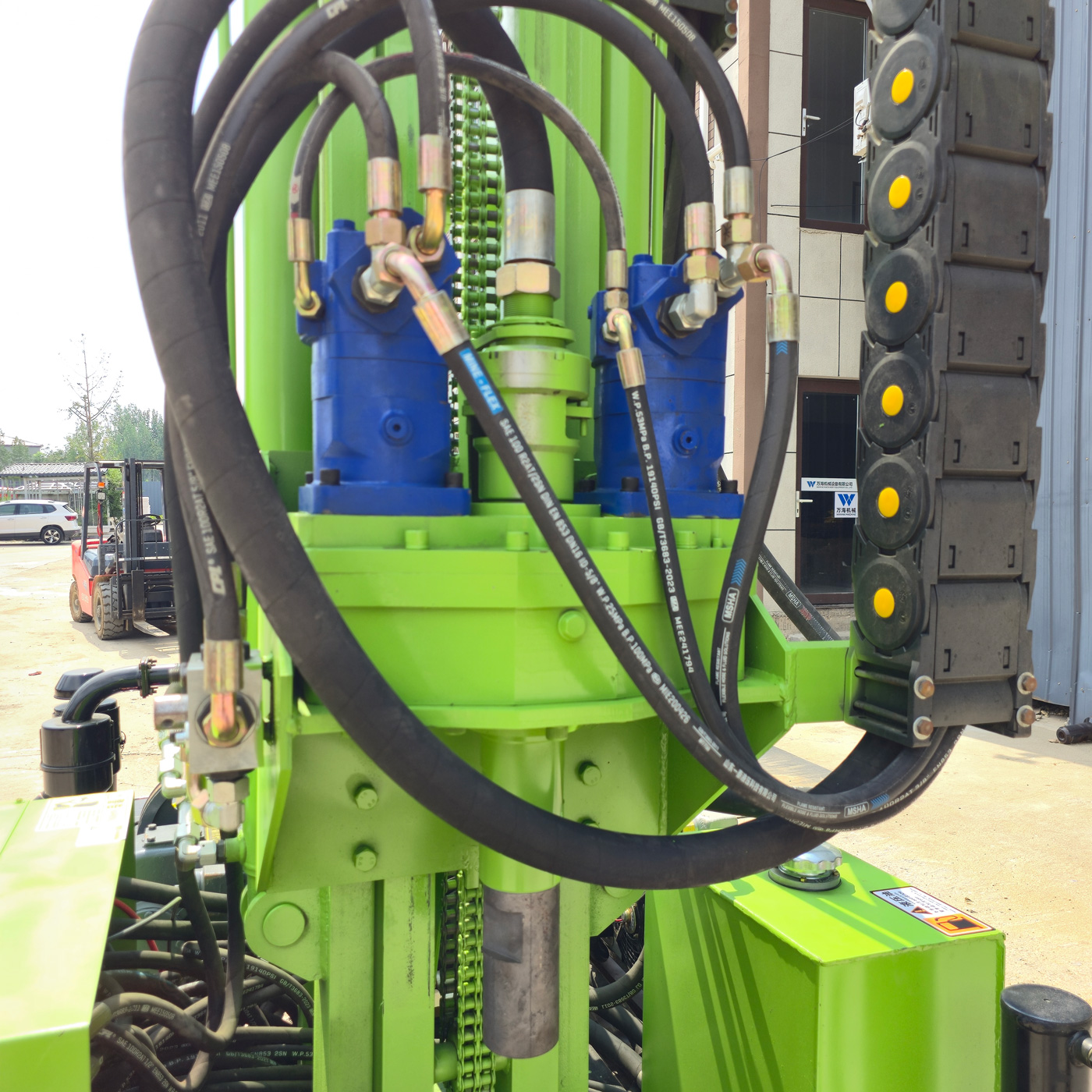
According to the project, Φ76 or Φ89 drill pipes, DTH hammers, drill bits, casing, air compressors, air pipes, oil mist lubricators and water drilling related accessories can be configured. Different formations and hole diameters should be matched with different drilling tools. Especially for water-air dual-purpose projects, the main formation types and construction methods should be clarified in advance.
Before starting work, check the engine, hydraulic system, mast, winch, crawler and high-pressure air pipe; during drilling, pay attention to air pressure, cuttings removal, water return and equipment temperature; after construction, clean mud, dust and debris in time, and check the wear of drill pipe threads, drill bits, DTH hammers and hydraulic joints. During frequent transportation, also check the equipment fixing points and loading safety.
Due to differences in actual geological conditions, downhole tools, drilling angle and operation methods, the final drilling efficiency, drilling depth and well completion effect should be based on on-site working conditions.
| Parameter Item | Parameter Value |
|---|---|
| Basic Parameters | |
| Product Model | WR220SE |
| Equipment Type | Cost-effective mini crawler hydraulic water well drilling rig |
| Maximum Drilling Depth | 220 m |
| Drilling Diameter | 140–254 mm |
| Drill Pipe Diameter | Φ76 / Φ89 mm |
| Drill Pipe Length | 1.5 / 2.0 / 3.0 m |
| Drilling Method | Water-air dual-purpose |
| Mast and Feed System | |
| Mast Height | 2.6 m |
| Single Advance Length | 3.3 m |
| Lifting Force | 13 T |
| Fast Lifting Speed | 30 m/min |
| Fast Advancing Speed | 60 m/min |
| High Outrigger Stroke | 1.4 m |
| Rotary System | |
| Rotary Torque | 3400–4700 N·m |
| Rotary Speed | 45–70 rpm |
| Power System | |
| Engine Brand | Yuchai |
| Engine Power | 48 kW |
| Air Compressor Matching Parameters | |
| Working Air Pressure | 1.7–2.5 MPa |
| Air Consumption | 17–31 m³/min |
| Matching Description | Select the air compressor according to hole diameter, DTH hammer specifications, target hole depth, altitude and rock formation hardness |
| Auxiliary System | |
| Winch Lifting Force | 1.5 T |
| Crawler Chassis | |
| Walking Speed | 2.5 km/h |
| Maximum Climbing Ability | 30° |
| Loading Width | 2.6 m |
| Applicable Ground | Village roads, farmland, orchards, gravel ground and general uneven sites |
| Overall Dimensions and Weight | |
| Overall Dimensions | 3950 × 1750 × 2250 mm |
| Overall Weight | 4.7 T |
We are a professional drilling equipment manufacturer specializing in the research and development, production and supply of water well drilling rigs, core drilling rigs, reverse circulation drilling rigs, down-the-hole drilling rigs, truck-mounted drilling rigs and mineral exploration equipment.
© 2026 Shandong Hengjianhang Construction Machinery Co., Ltd. All rights reserved.