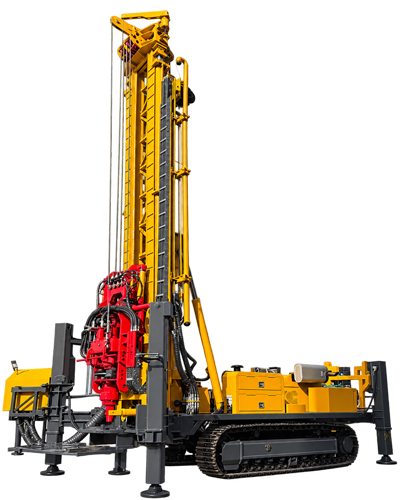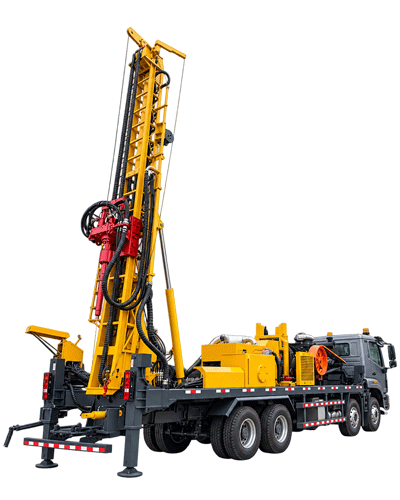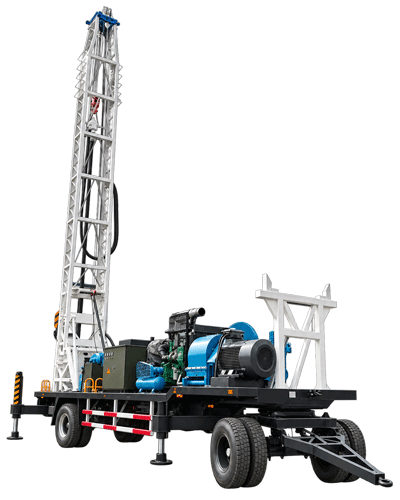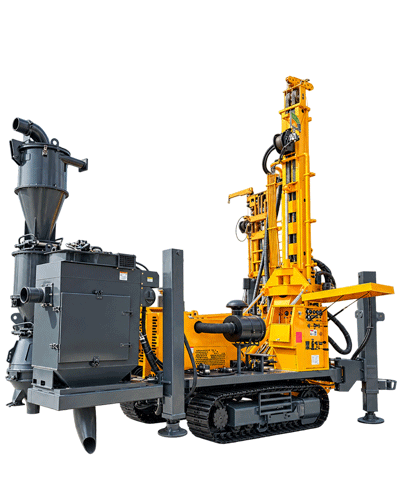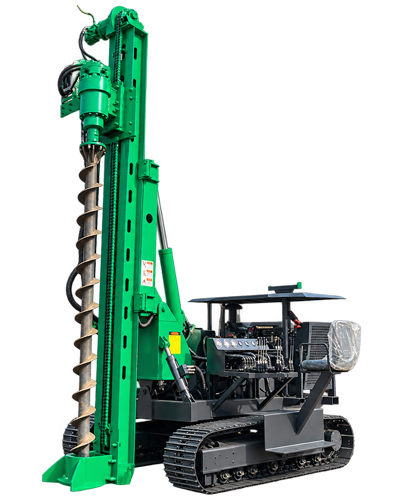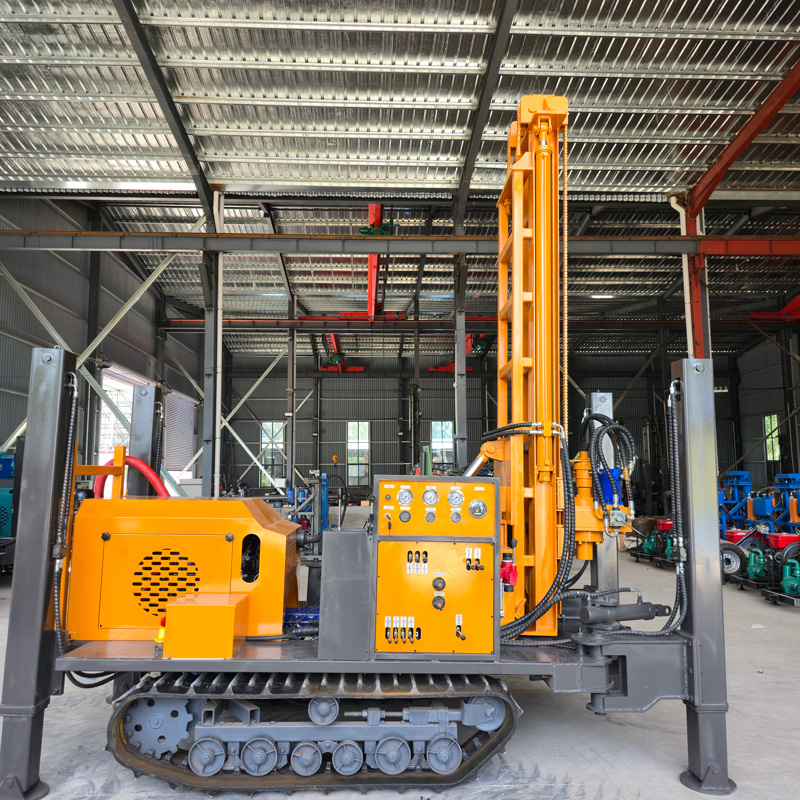
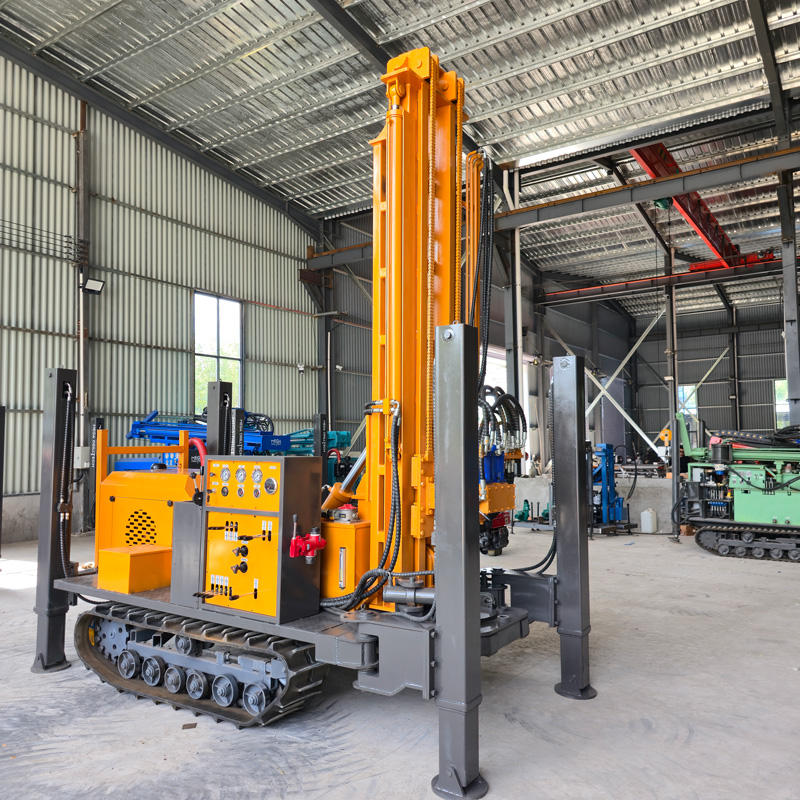
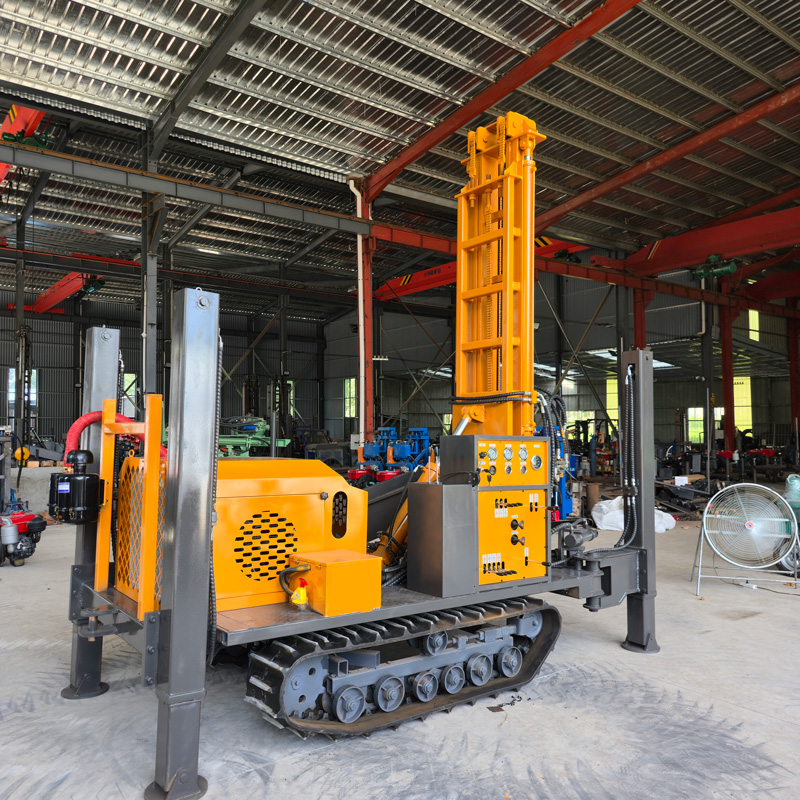
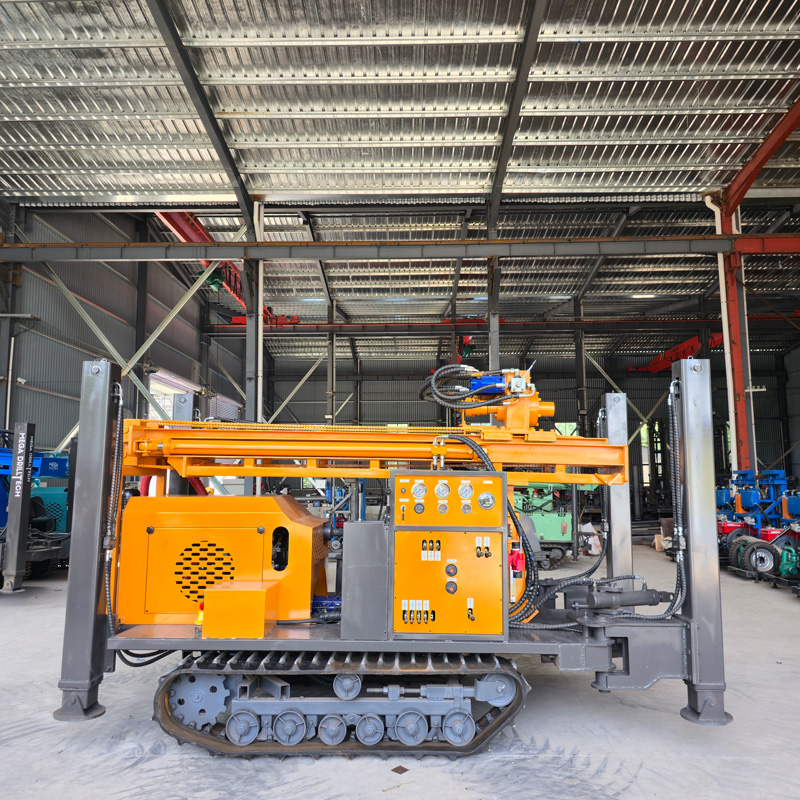
Crawler-Mounted Water Well Drilling Rig
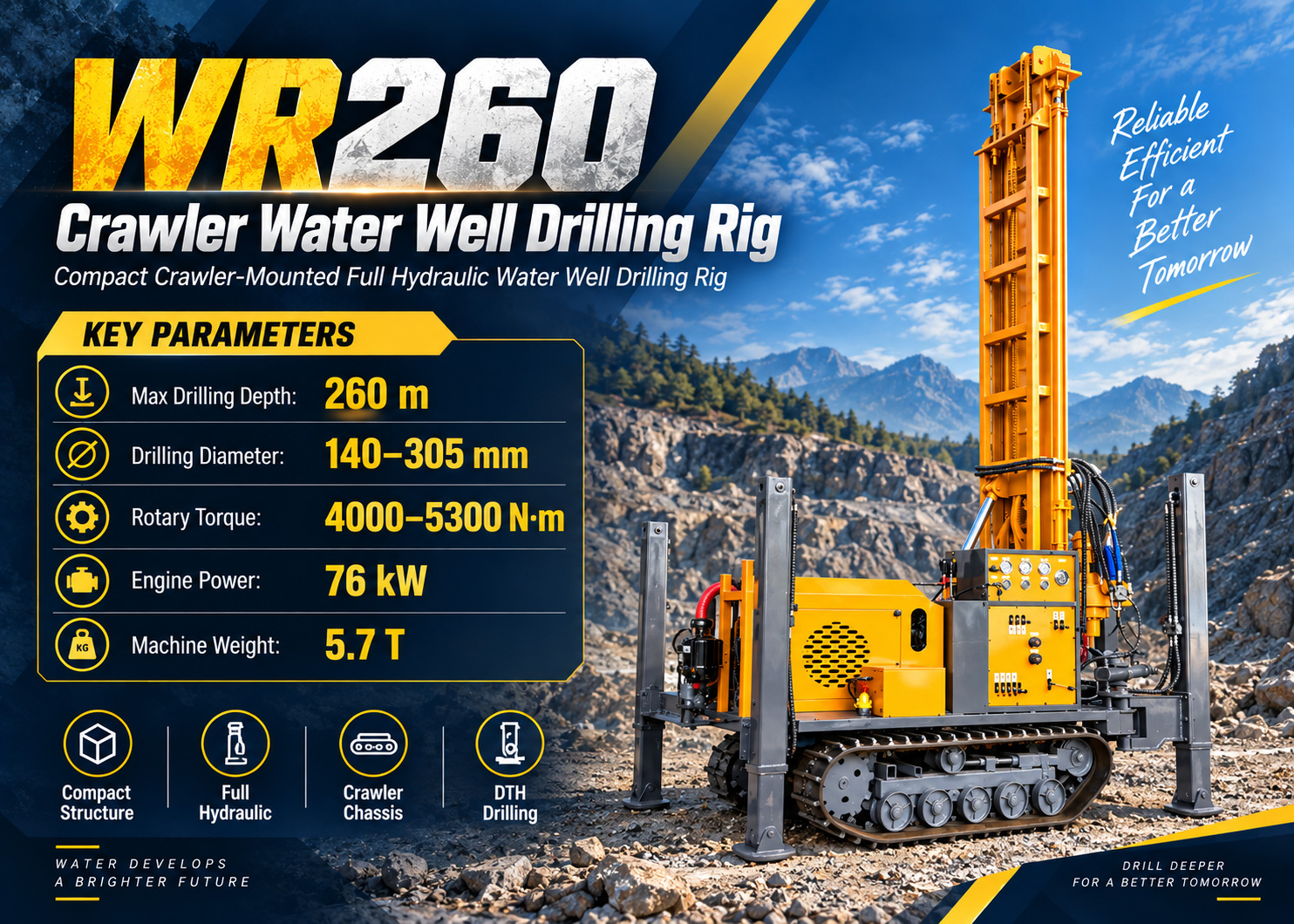
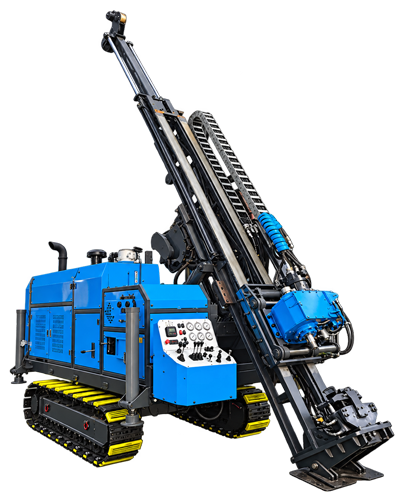
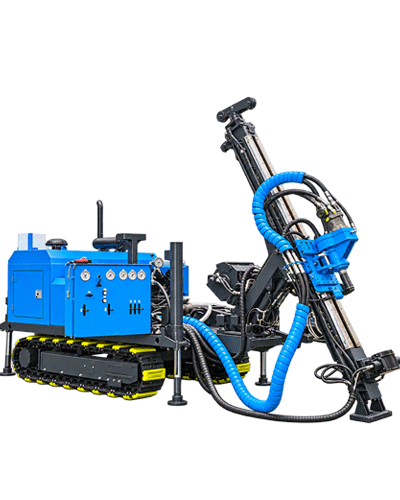
The WR260 is a compact crawler-mounted fully hydraulic drilling rig designed for conventional medium-to-shallow water well construction. The equipment has a maximum drilling depth of 260 m, a drilling diameter of 140–305 mm, 15 T lifting force, 4000–5300 N·m rotary torque, and 76 kW diesel power. It is suitable for projects such as rural water supply, agricultural irrigation, farms, industrial water use, construction sites, and small mining area water supply.
Compared with small water well drilling rigs in the 120m and 200m classes, the WR260 offers greater drilling depth reserve while still maintaining a relatively compact body and an overall weight of 5.7 T. For projects where the groundwater level is relatively deep but heavy equipment above 500m is not required, this class more easily achieves a balance among equipment investment, transportation cost, and construction capability.
The WR260 can be used for household water wells, village water wells, and small community water supply wells. The 140–305 mm drilling diameter can cover a variety of well casing and submersible pump configurations. Before completing the well, the well depth, well diameter, filter pipe, and sealing intervals should be determined based on aquifer position, expected water yield, and local water quality requirements.
Agricultural irrigation is one of the typical applications of this type of drilling rig. The WR260 can be used for farmland, orchard, greenhouse, and nursery water well projects. The crawler chassis facilitates relocation on village roads, field roads, and gravel sites. For construction teams that need multiple irrigation wells, the compact body and strong mobility help reduce time between hole positions.
Livestock projects usually require long-term stable water for drinking and cleaning. The 260m-class drilling depth can cover deeper groundwater layers than shallow well equipment, making it suitable for farms, pastures, and remote agricultural projects. The actual well location should still be selected according to local hydrogeological conditions; increasing well depth alone cannot replace preliminary water exploration judgment.
Mines and geological exploration sites often require water for domestic use, equipment cleaning, and dust suppression. The WR260 crawler chassis facilitates movement on gravel roads and generally uneven sites in mining areas, and it can be used for mining camp water wells and small auxiliary production water wells. If the project has a high proportion of hard rock, matching the DTH hammer and air compressor should be emphasized.
For factories, workshops, construction camps, and infrastructure projects, the WR260 can be used for auxiliary water supply, equipment cleaning, and construction water wells. Because the equipment dimensions are approximately 3900 × 1750 × 2250 mm, it is easier to enter factory areas and space-constrained construction areas than large deep water well drilling rigs.
The rotary torque range is 4000–5300 N·m, and the rotary speed is 45–70 r/min, making it suitable for drilling with 76 mm or 89 mm drill pipes and common DTH hammers. After entering intact hard rock, rotation and feed should be adjusted according to rock hardness, DTH hammer specifications, and cuttings discharge status to maintain coordination among impact, rotation, and air supply.
The 15 T lifting force can be used for normal tripping, drill pipe handling, DTH hammer recovery, and some casing operations. As the borehole deepens, both the weight of the drill pipe and the friction of the borehole wall increase. If abnormal pulling resistance persists, the hole should first be cleaned and the borehole wall and drilling tools inspected, rather than directly relying on maximum lifting force to force handling.
The single feed length is 3.3 m, compatible with 1.5 m, 2 m, and 3 m drill pipes. A longer single feed can reduce auxiliary time for repeated power head return and drill pipe connection, making continuous construction smoother. Actual penetration efficiency still depends on lithology, hole diameter, DTH hammer, and air compressor performance.
The fast lifting speed of 24 m/min and fast feed speed of 40 m/min are mainly used for drill pipe handling, power head return, and non-drilling stages. The term “fast feed” here does not refer to the actual penetration rate in the formation. The reference drilling efficiency in the data is 10–35 m/h, and on-site results will vary significantly with rock formation conditions.
When using DTH hammer drilling, the reference working air pressure is 1.7–2.5 MPa and the air consumption is 17–31 m³/min. Insufficient air compressor displacement will cause insufficient DTH hammer impact and difficult cuttings discharge; when the hole diameter increases, the rock formation becomes harder, or the altitude rises, a more adequate air flow is usually required.
When equipped with a suitable DTH hammer, drill bit, and air compressor, it can be used in relatively intact rock formations such as limestone, sandstone, and granite. During hard rock drilling, attention should be paid to drill bit wear, DTH hammer lubrication, and cuttings discharge status to avoid repeated crushing and rock powder accumulation at the hole bottom caused by insufficient air volume.
Weathered rock layers are prone to borehole wall caving and diameter reduction. Although drilling speed may be faster, stability is not necessarily ideal. After entering alternating soft-hard formations, feed and rotation should be adjusted promptly according to changes in drilling resistance, and casing may be used when necessary to protect unstable upper borehole sections.
Directly using a DTH hammer in loose overburden may cause hole collapse and drilling tool burial. Casing, mud, or other hole stabilization methods should be selected according to the formation. A stable hole opening and upper borehole section should be established first before entering rock formations for pneumatic DTH drilling.
Fractured formations are prone to caving, air leakage, and sticking. During construction, excessively fast feed should be reduced, continuous cuttings discharge and hole cleaning should be maintained, and changes in air pressure should be observed. If the fractured zone is thick, casing or foam-assisted methods can be used according to site conditions to improve borehole wall stability.
After entering an aquifer, groundwater will change the working state of the DTH hammer and the discharge of rock powder. Air supply and hole cleaning methods should be adjusted according to water inflow, and the depth of the main aquifer should be recorded. During formal well completion, well casing, filter pipes, and water-stop structures should also be reasonably configured according to the aquifer position.
In limestone karst caves, open fractures, or formations with severe air leakage, air compressor pressure and flow may be difficult to effectively transmit to the hole bottom. Such situations may require foam, casing, increased air volume, or a change in construction method, and adjustments should be made promptly according to the degree of air leakage and downhole feedback.
The WR260 uses a steel crawler chassis, with a travel speed of approximately 2.5 km/h and a reference maximum gradeability of 30°. Steel tracks provide good traction and stability, making them suitable for gravel ground, rural roads, and mining sites. During equipment relocation, the mast should be retracted and slope and ground bearing conditions should be evaluated.
The high leg stroke is 1.4 m, allowing the equipment to be supported and leveled on slightly uneven ground. Before starting the hole, the entire machine should be stable. Soft ground requires additional pads to avoid leg settlement causing mast tilt and hole position deviation.
The auxiliary winch has a lifting force of 1.5 T and can be used to handle DTH hammers, drill pipes, casing tools, and some on-site auxiliary equipment. Proper use of the winch can reduce manual labor intensity, but loads should be controlled during lifting and personnel should be kept away from suspended objects.
The data also provides an optional electric motor power solution. For factory areas, mines, or fixed construction projects with stable power supply conditions, electric motor power can reduce diesel replenishment and exhaust issues. The final motor power, voltage, and control method should be based on the official configuration.
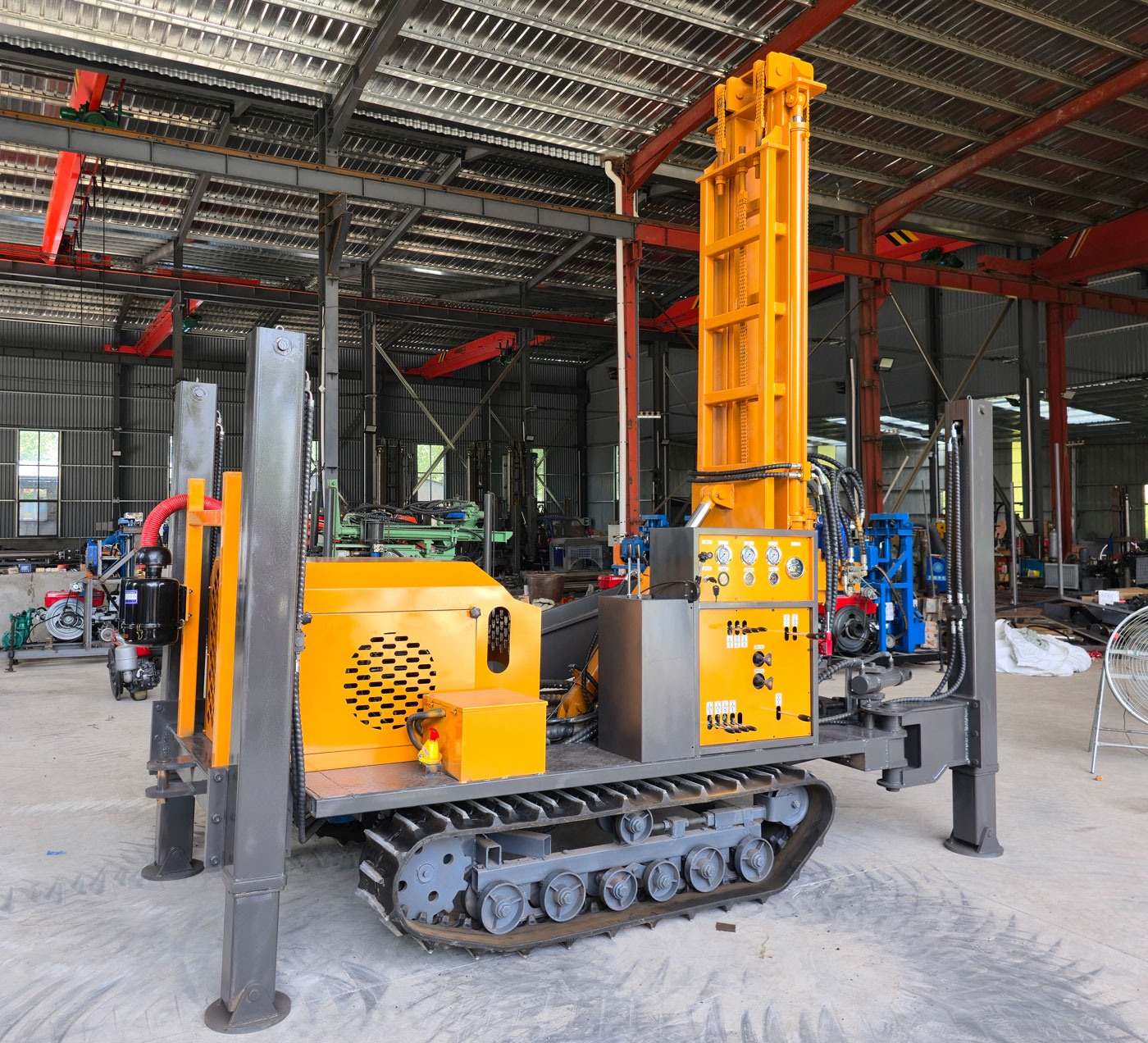
In the original data, there is a 2.73 m parameter labeled “Width of loading.” Because this name is inconsistent with the overall external width of 1750 mm, this article retains it in the parameter table as “data-labeled width” and does not additionally interpret it as actual transport width. The final value should be confirmed with official production technical data.
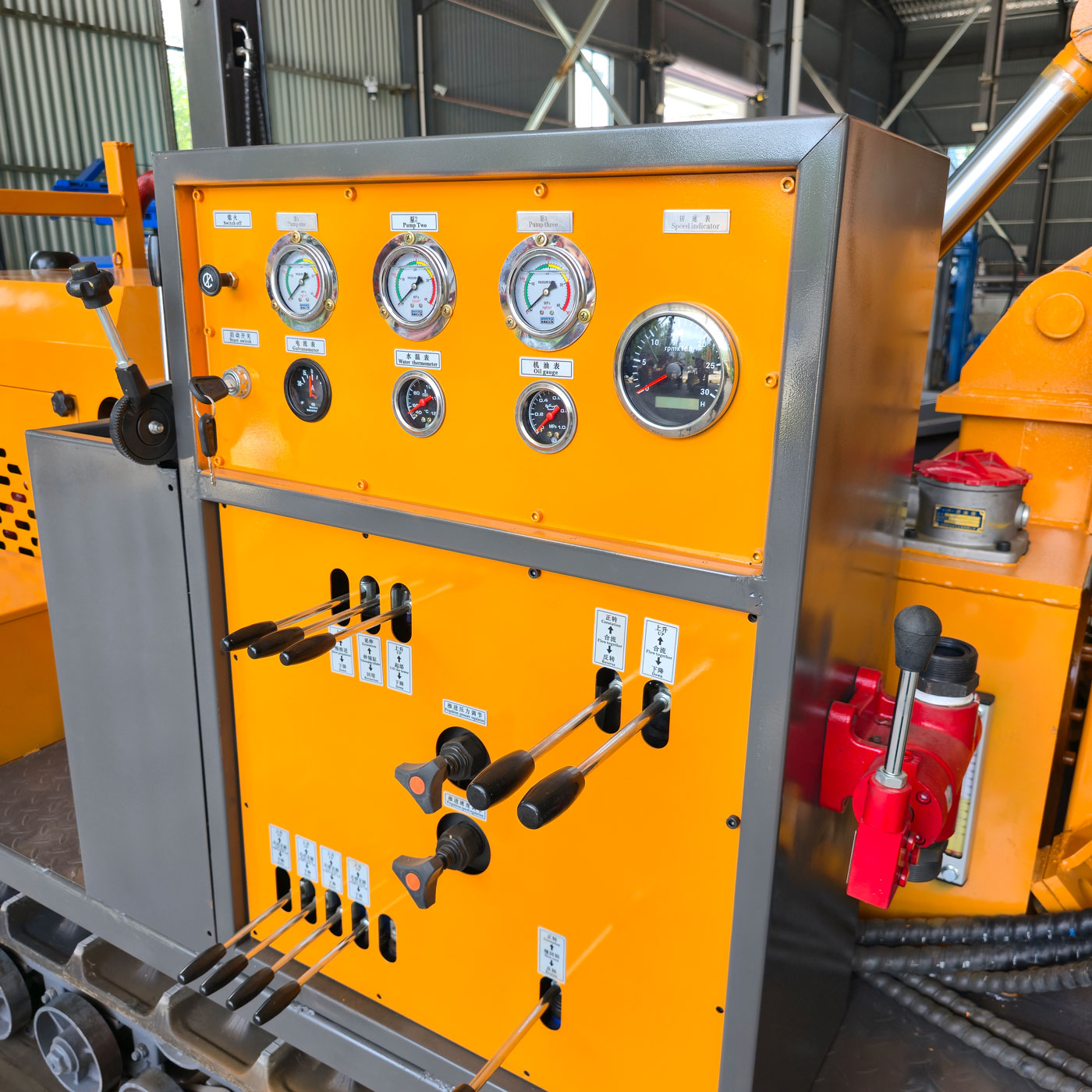
Before daily construction, check the engine, hydraulic system, rotary head, mast, winch, and high-pressure air hose; during operation, continuously observe air pressure, cuttings discharge, water return, and equipment temperature; after completion, clean mud and dust, and check drill pipe threads, DTH hammer lubrication, and hydraulic connectors. During frequent relocations, also check the crawler and loading fixation points.
Because actual geological conditions, downhole tools, drilling angle, and operating methods vary, the final drilling efficiency, drilling depth, and well completion results should be based on on-site working conditions.
| Parameter Item | Parameter Value |
|---|---|
| Basic Parameters | |
| Product Model | WR260 |
| Equipment Type | Compact crawler-mounted fully hydraulic water well drilling rig |
| Chassis Type | Steel crawler chassis |
| Main Drilling Method | DTH hammer drilling |
| Power Configuration | 76 kW diesel engine / optional electric motor power |
| Drilling Capability | |
| Maximum Drilling Depth | 260 m |
| Drilling Diameter | 140–305 mm |
| Drill Pipe Diameter | 76 / 89 mm |
| Drill Pipe Length | 1.5 / 2 / 3 m |
| Reference Drilling Efficiency | 10–35 m/h |
| Rotation and Feed System | |
| Rotary Torque | 4000–5300 N·m |
| Rotary Speed | 45–70 r/min |
| Single Feed Length | 3.3 m |
| Lifting Force | 15 T |
| Fast Lifting Speed | 24 m/min |
| Fast Feed Speed | 40 m/min |
| Air Compressor Matching Parameters | |
| Working Air Pressure | 1.7–2.5 MPa |
| Air Consumption | 17–31 m³/min |
| Matching Notes | Select the air compressor according to hole diameter, DTH hammer, target hole depth, altitude, and rock hardness |
| Crawler and Stabilization System | |
| Travel Speed | 2.5 km/h |
| Maximum Gradeability | 30° |
| High Leg Stroke | 1.4 m |
| Data-Labeled Width | 2.73 m |
| Auxiliary System | |
| Winch Lifting Force | 1.5 T |
| Overall Dimensions and Weight | |
| External Dimensions | 3900 × 1750 × 2250 mm |
| Overall Weight | 5.7 T |
| Typical Applications | |
| Rural and Community Water Supply | Household water wells, village water wells, small community water supply wells |
| Agricultural Irrigation | Irrigation wells for farmland, orchards, greenhouses, and nurseries |
| Livestock Water Use | Water supply for pastures, farms, and remote agricultural projects |
| Industrial Water Use | Factories, construction camps, equipment cleaning, and auxiliary water use |
| Mining Area Water Supply | Mine camps, exploration sites, dust suppression, and auxiliary production water supply |
| Formation Adaptability | |
| Intact Rock Formations | DTH drilling with suitable DTH hammer, drill bit, and air compressor |
| Weathered Rock | Control feed according to borehole wall stability and clean the hole promptly |
| Loose Overburden | Casing or upper hole stabilization measures may be required |
| Fractured Formations | Reduce feed speed, strengthen hole cleaning, and follow up with casing as appropriate |
| Aquifers | Adjust air supply, cuttings discharge, and casing method according to water inflow |
| Karst Caves / Air Leakage Formations | Foam, casing, increased air volume, or adjusted drilling method may be required |
We are a professional drilling equipment manufacturer specializing in the research and development, production and supply of water well drilling rigs, core drilling rigs, reverse circulation drilling rigs, down-the-hole drilling rigs, truck-mounted drilling rigs and mineral exploration equipment.
© 2026 Shandong Hengjianhang Construction Machinery Co., Ltd. All rights reserved.