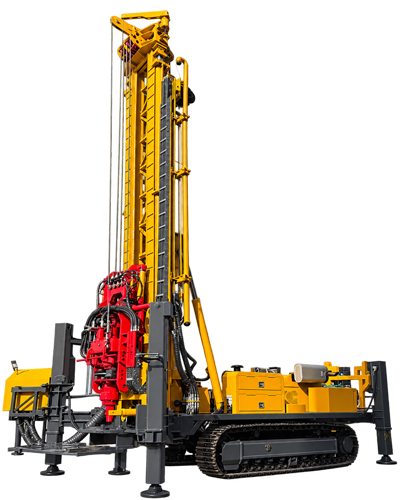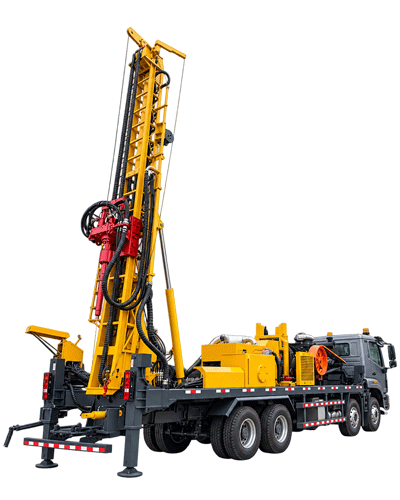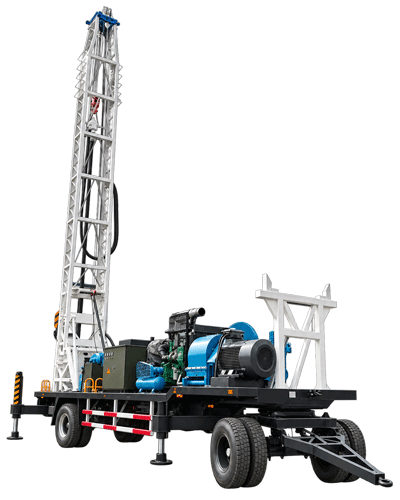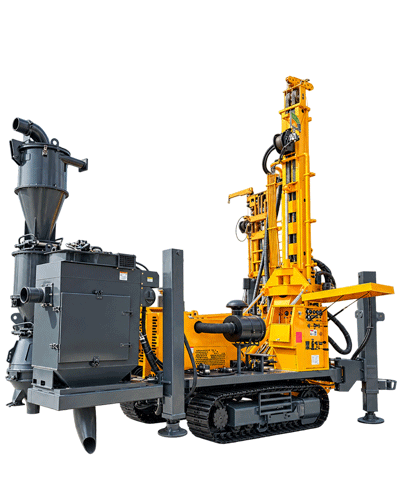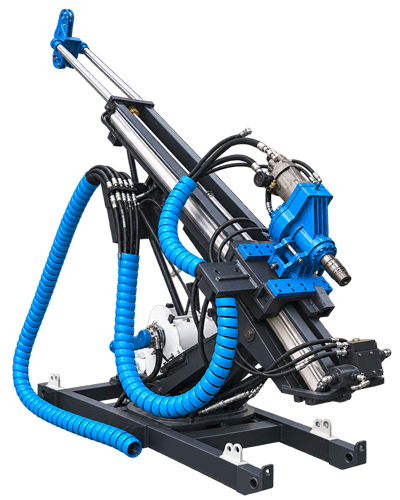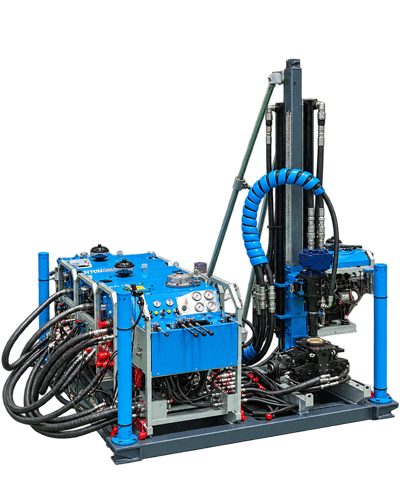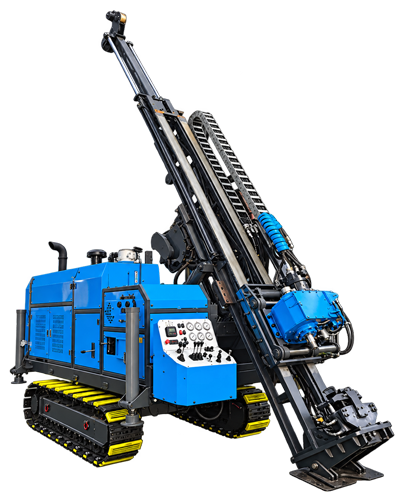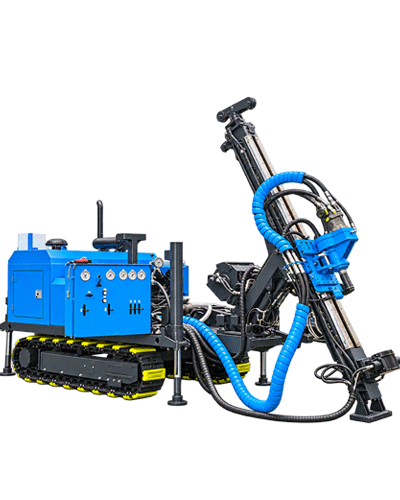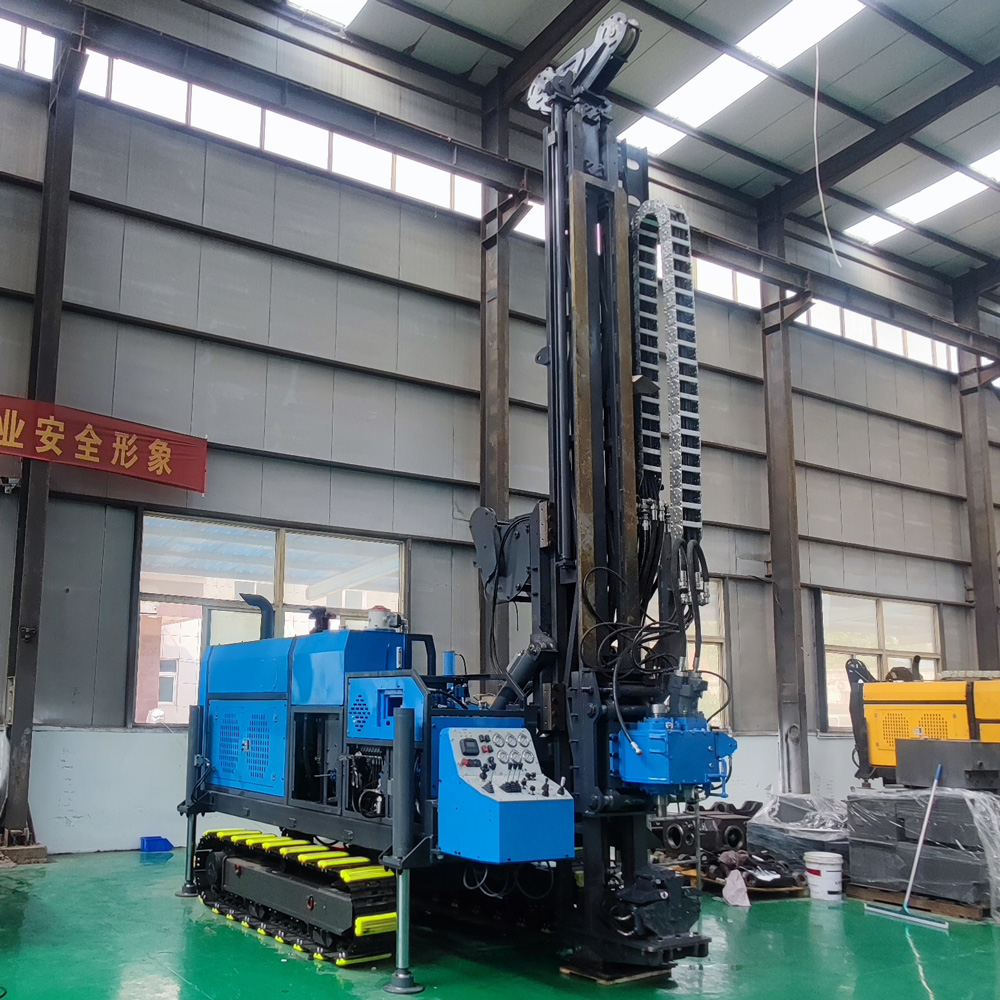
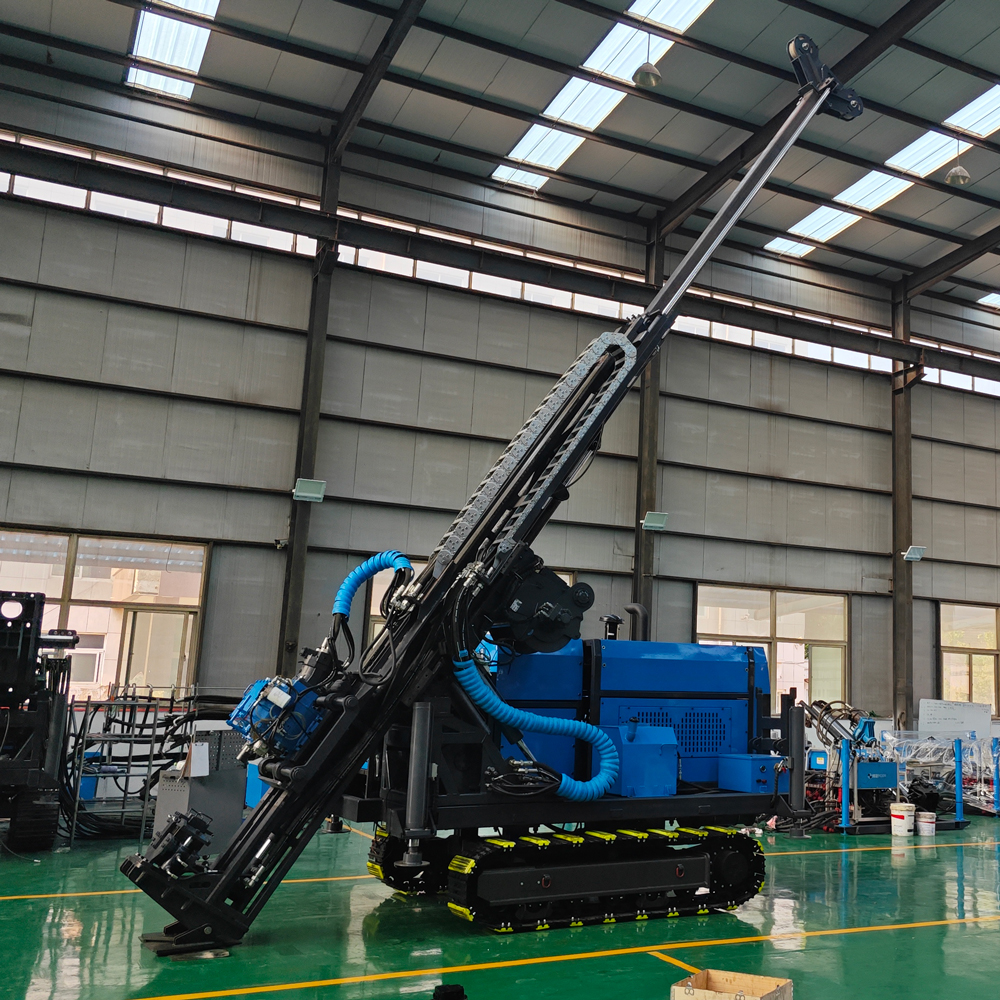
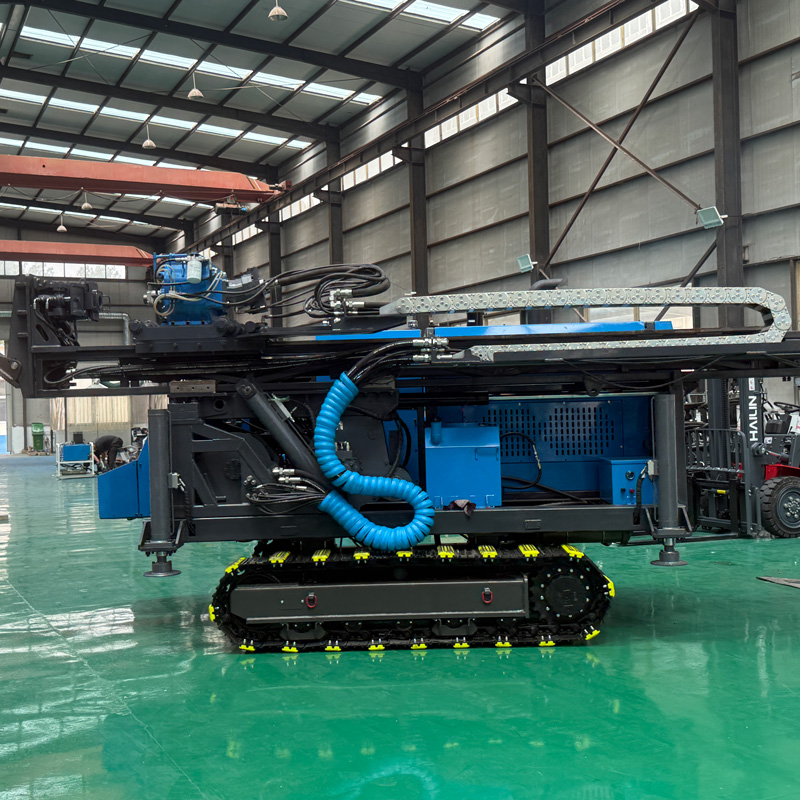
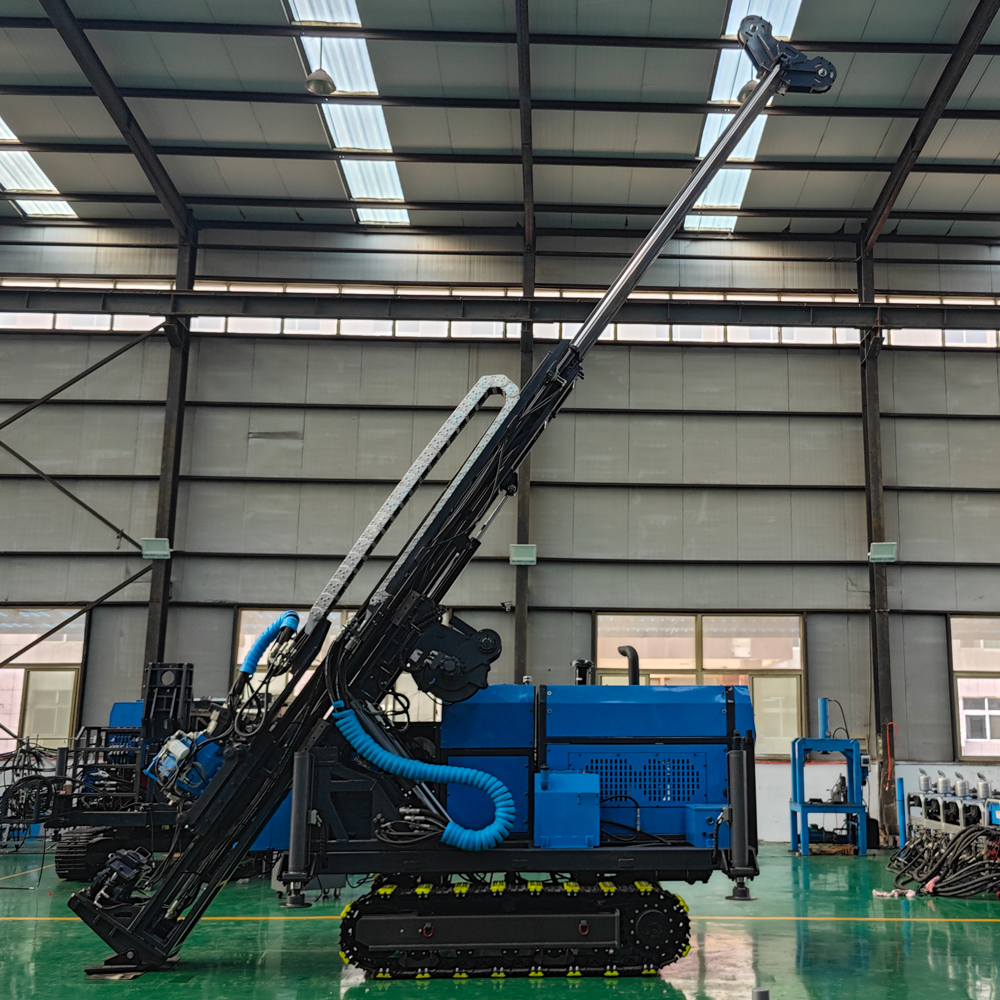
Integrated Core Drilling Rig
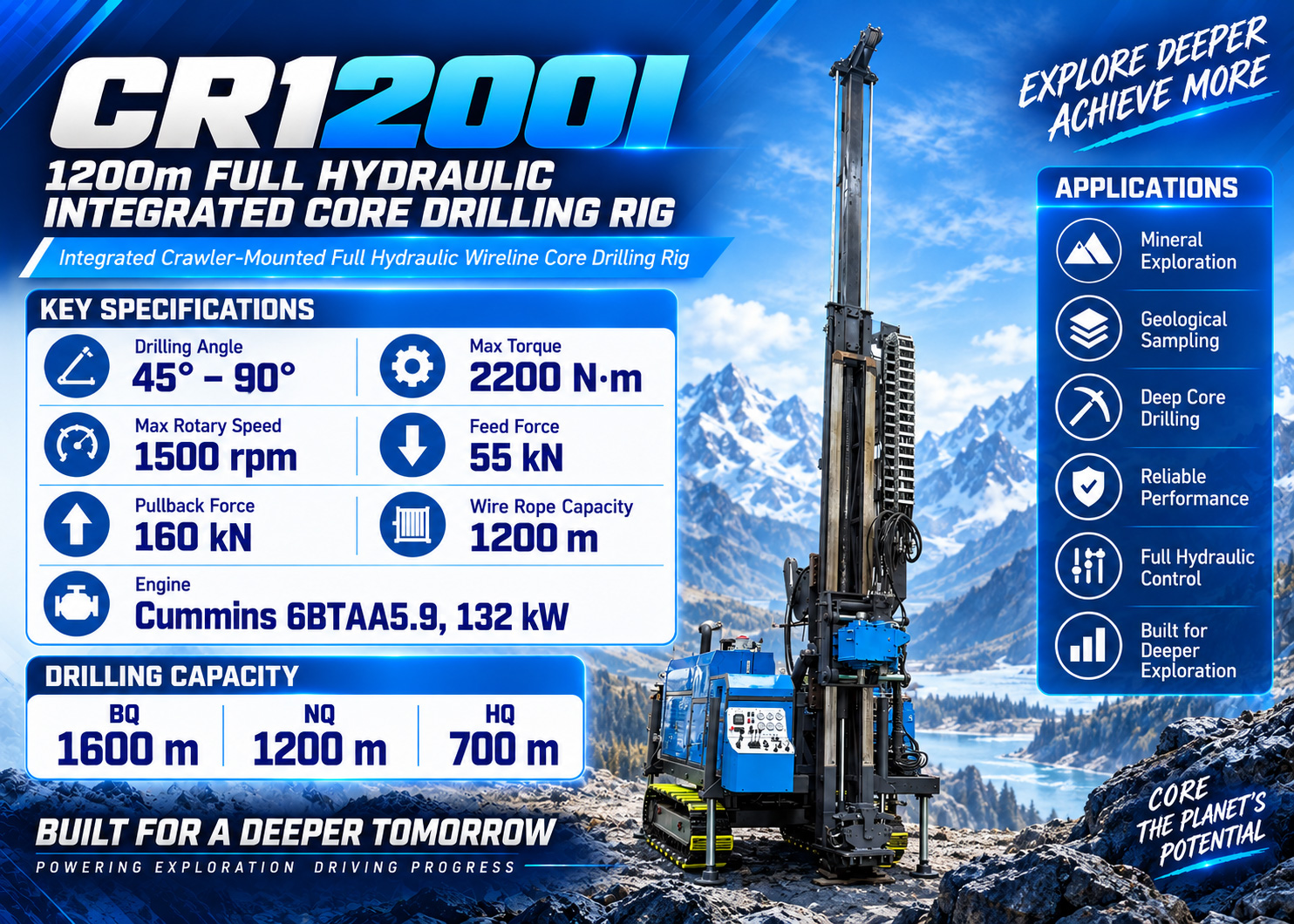
The CR1200I is more oriented towards deep resource verification and continuous mine reserve expansion. Compared to conventional medium-deep hole rigs, it features enhanced power head torque, hydraulic flow, chuck bore, and wireline system, making it suitable for exploration projects that have already obtained certain geological results and need to continue tracking deeper or along the periphery of the ore body.
Once an ore body is initially discovered, the focus of subsequent work typically shifts from whether mineralization exists to how deep the ore body extends, where its boundaries are, whether it is continuous, and how grade changes at depth. The CR1200I has a reference drilling depth of 1200m in N size and 1600m in B size, making it more suitable for deep ore body control holes, infill exploration holes, and resource upgrade drilling.
In deep gold projects, mineralization is often closely related to faults, shear zones, quartz veins, and alteration zones. By drilling holes at various angles to intersect the target structures, continuous core can be obtained to analyze the thickness of the mineralization zone, wall rock changes, structural overprinting relationships, and deep extension characteristics, providing more direct geological evidence for deep development and resource assessment.
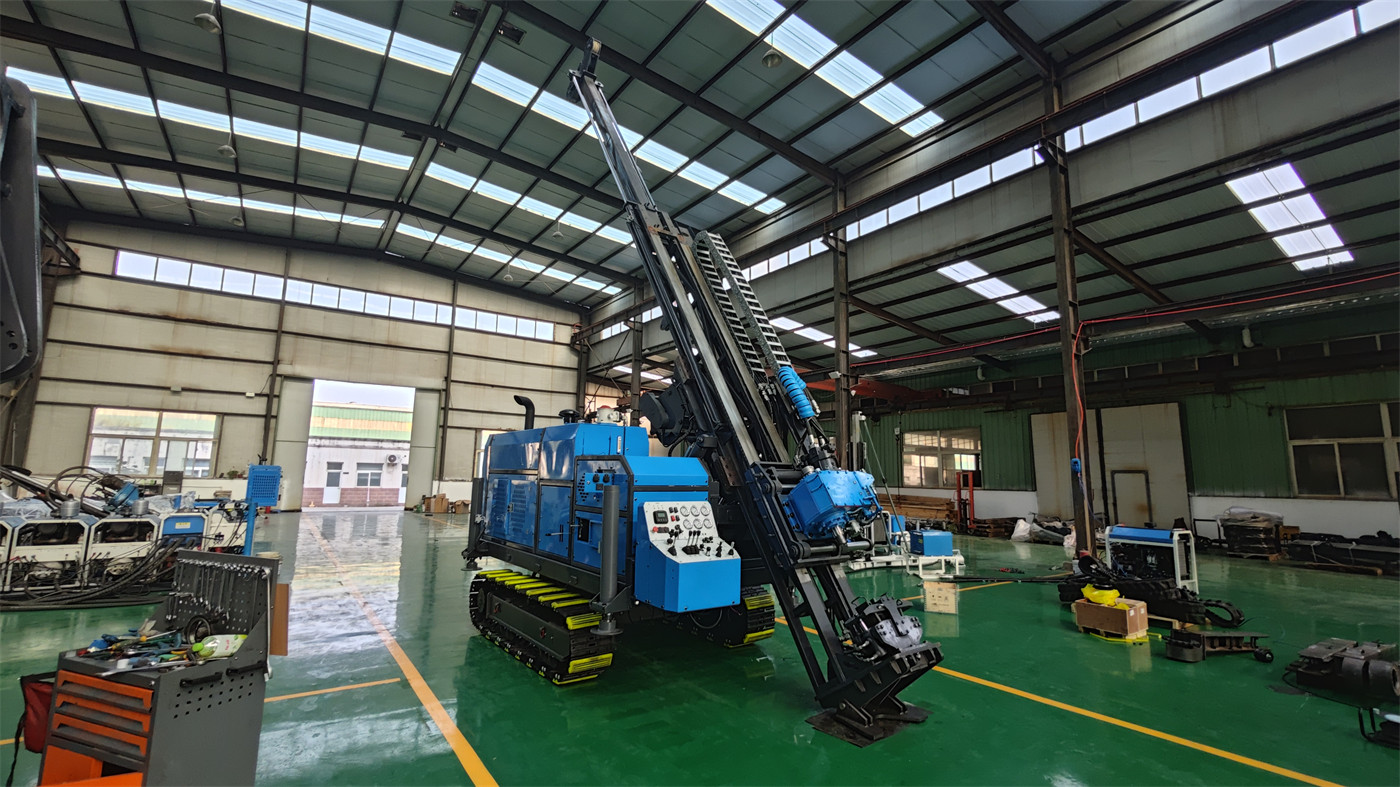
Large copper and porphyry deposits often feature thick overburden, complex alteration zoning, and large-scale mineralization. The CR1200I's high-speed power head and 2200 N·m maximum torque allow drilling conditions to be adjusted across different lithological intervals, accommodating both competent hard rock and localized broken zones.
In deep drilling, fault gouge, breccia, fractured rock zones, and dense fissure areas are often more challenging than simply hard rock. In such conditions, the length of each run should be reduced, pump pressure and return water changes should be monitored promptly, and drilling fluid, casing, and drilling parameters should be adjusted based on borehole wall stability. The 160 kN lifting capacity provides ample margin for tripping and tool recovery in complex intervals.
For inclined ore bodies, layered deposits, and structurally controlled mineralization, inclined holes can more effectively intersect target zones. This rig supports drilling angles from 45° to 90°, allowing flexibility in hole orientation based on geological sections, known ore body attitudes, and exploration line layouts, rather than being limited to vertical drilling.
The power head uses gear drive with a maximum speed of 1500 rpm and maximum torque of 2200 N·m, offering gear ratios of 1:2.2 / 1:3.3. By combining different speeds and torques, it can more flexibly match various core sizes and rock hardness, especially in deep holes where alternating rock layers are common.
The chuck has a bore diameter of 150 mm, accommodating common drill rod systems such as NQ, HQ, PQ, NTW, and HTW, and features hydraulic clamping with a self-weight anti-slip wedge design. The larger bore provides more configuration flexibility for different hole sizes, casing, and collar operations.
The wireline winch has a rope capacity of 1200 m and a hoisting speed of 116 m/min, suitable for frequent inner tube retrieval in deeper sections. As hole depth increases, the time share for wireline core retrieval rises significantly, so winch speed and rope capacity directly impact auxiliary time per run in deep holes.
The hydraulic system features a main pump flow of 300 L/min at 28 MPa, and an auxiliary pump flow of 120 L/min at 21 MPa, with both air and water cooling. For prolonged deep drilling, high hydraulic flow is not just about "faster" operation; more importantly, it ensures stable response of multiple actuators under high load conditions.
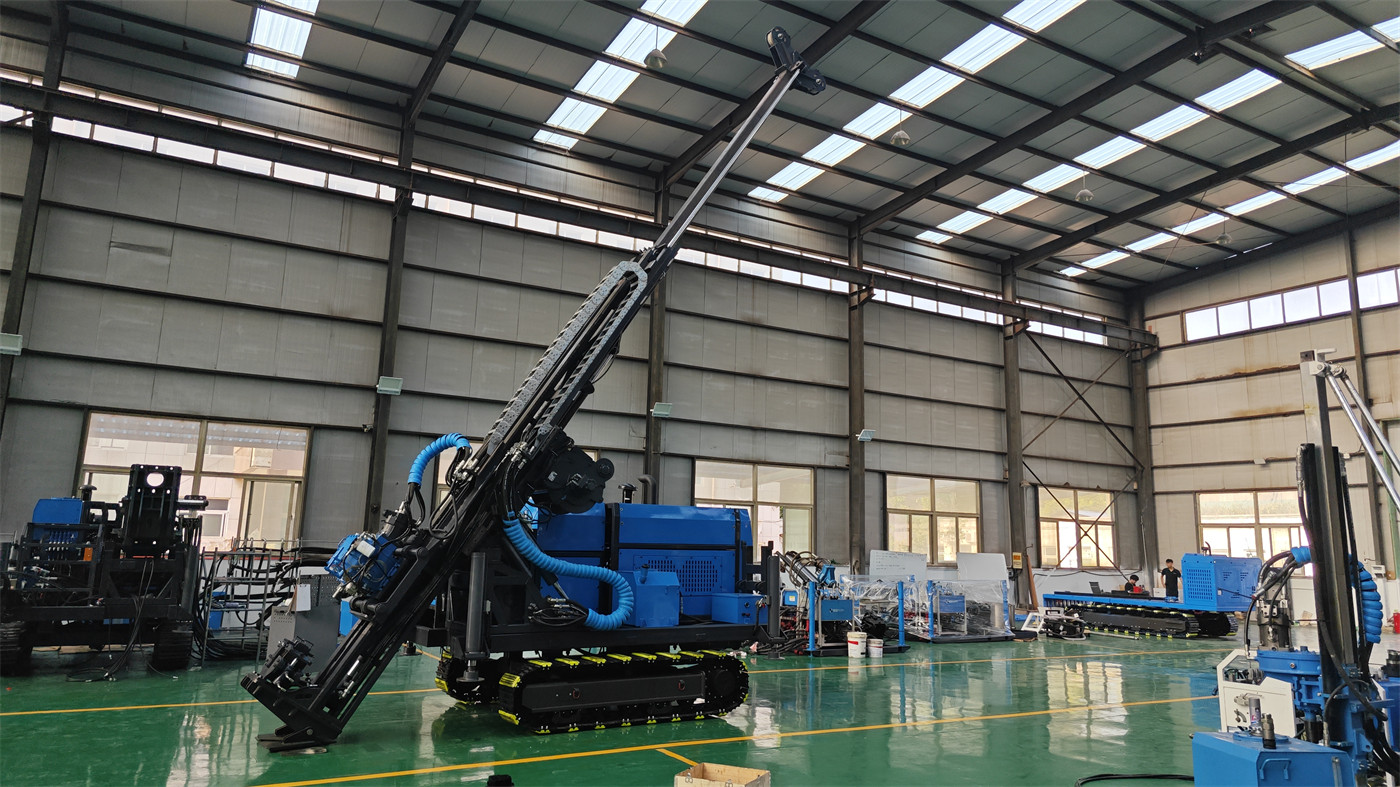
The mud system delivers a flow rate of 150 L/min at 7 MPa, used for cuttings transport, bit cooling, and borehole wall stabilization. In deep holes with developed fractures, unstable returns, and localized losses, mud viscosity, fluid loss, and circulation parameters should be adjusted promptly based on downhole conditions, with lost circulation or temporary wall support measures applied as needed.
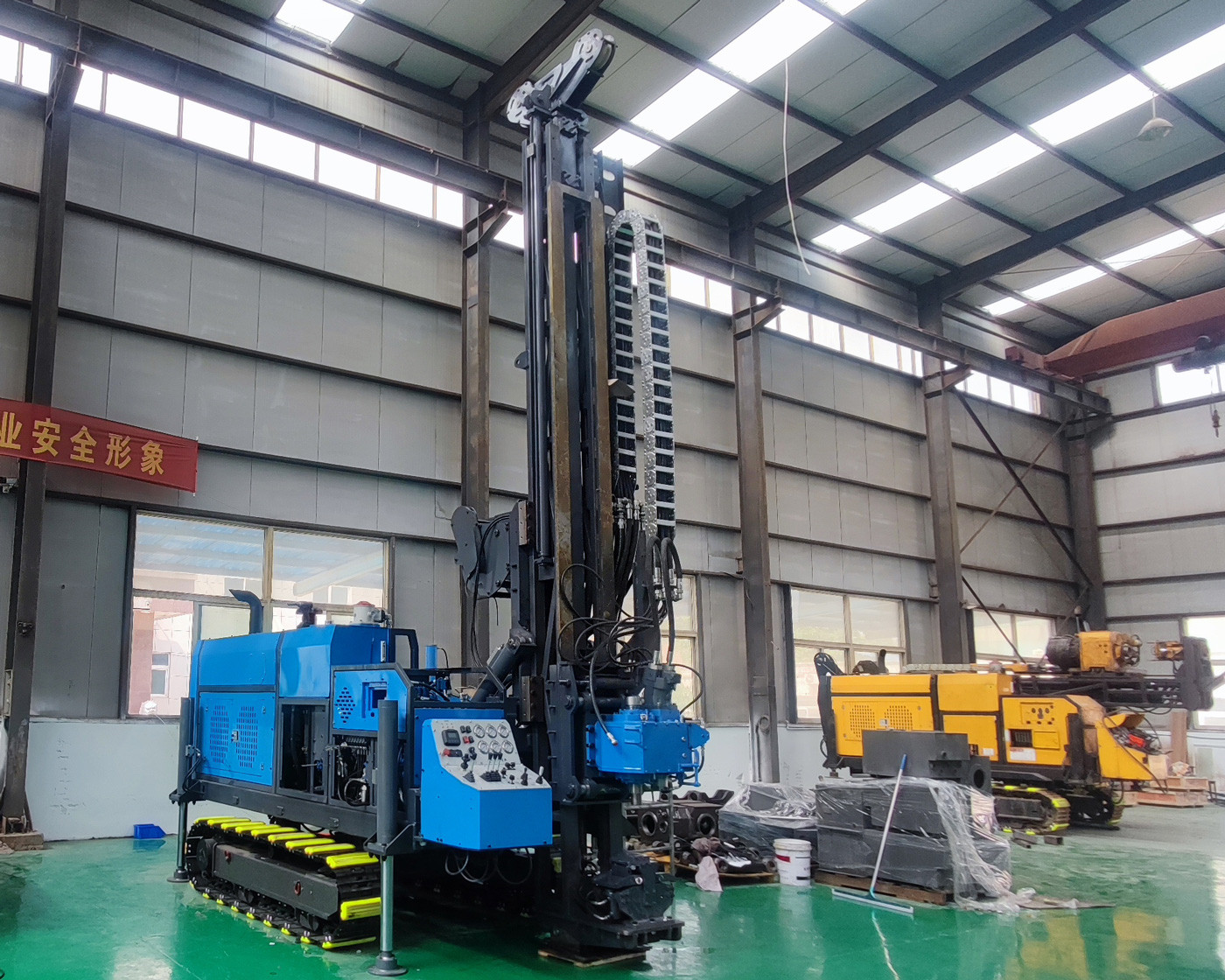
The CR1200I is suitable for projects in the detailed exploration, advanced exploration, or production stage, used for infill drilling on the periphery of ore bodies, deep boundary control, pillar verification, down-dip extension exploration in mining areas, and resource category upgrades. Continuous core data can be integrated with logging, assay, and 3D geological models to improve the reliability of deep resource assessments.
It can be used for exploration of gold, copper, lead-zinc, nickel, lithium, iron, and polymetallic deposits, as well as for large-scale engineering geological surveys, deep structural studies, and geoscientific projects requiring continuous core information. For different ore types, the rig's basic parameters remain the same, but drill tools, bits, mud, and collar techniques should be configured according to formation conditions.
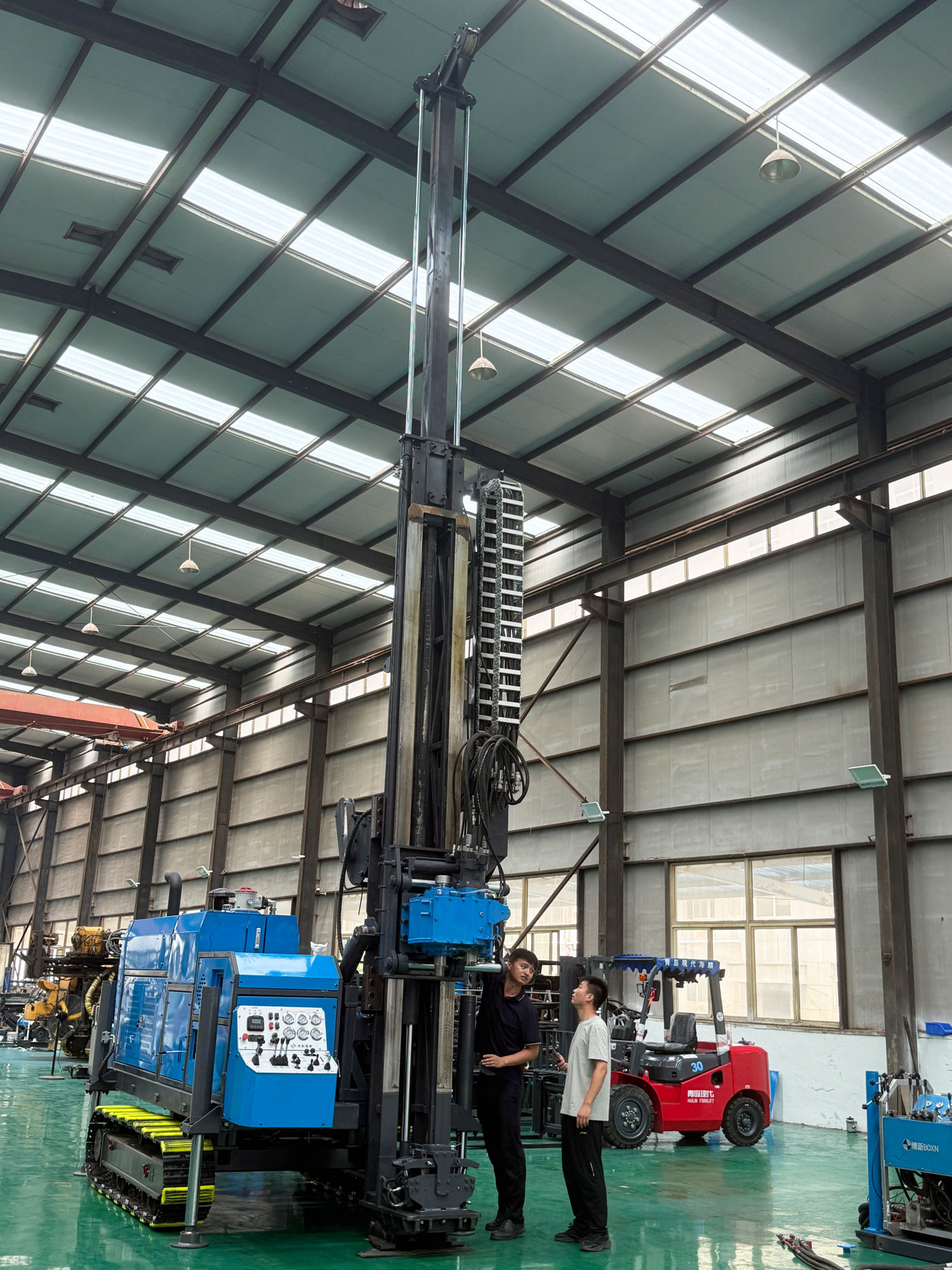
Deep drilling projects often last long and involve many auxiliary equipment, so each move between drill sites incurs high organizational costs. The integrated track platform reduces repeated assembly and disassembly of the power unit, hydraulic modules, and mast system, facilitating short-distance moves between platforms within a mining area, making it suitable for exploration areas with continuous hole layouts.
When drilling beyond 1000m, greater attention should be paid to hole deviation control, drill rod wear, wireline condition, mud performance, and downhole resistance changes. If reduced returns, abnormal torque, increased pull resistance, or changes in return sand content occur, promptly assess the risk of loss, collapse, hole shrinkage, or stuck pipe, and avoid blindly continuing to add weight.
Since actual geological conditions, downhole tools, hole angles, and operational practices vary, final drilling efficiency, depth, and core recovery results should be based on site conditions.
| Parameter | Value |
|---|---|
| Drilling Capacity | |
| Reference drilling depth (B size) | 1600 m |
| Reference drilling depth (N size) | 1200 m |
| Reference drilling depth (H size) | 700 m |
| Drilling angle | 45°–90° |
| Handling rod length | 1.5 m |
| Power Head | |
| Drive type | Gear drive |
| Maximum torque | 2200 N·m |
| Maximum speed | 1500 rpm |
| Gear ratio | 1:2.2 / 1:3.3 |
| Travel method | Hydraulic side shift |
| Mast and Feed System | |
| Feed stroke | 1.9 m |
| Feed speed | Fast + slow adjustable |
| Mast installation | Folding type |
| Feed force | 55 kN |
| Lifting force | 160 kN |
| Winch | |
| Wire rope diameter | 6 mm |
| Rope capacity | 1200 m |
| Lifting force | 13.5 kN |
| Lifting speed | 116 m/min |
| Chuck | |
| Bore diameter | 150 mm |
| Applicable drill rods | NQ, HQ, PQ, NTW, HTW |
| Clamping method | Hydraulic clamping + self-weight wedge anti-slip |
| Hydraulic System | |
| Main pump flow | 300 L/min |
| Main pump pressure | 28 MPa |
| Auxiliary pump flow | 120 L/min |
| Auxiliary pump pressure | 21 MPa |
| Cooling method | Air cooling + water cooling |
| Mud System | |
| Flow rate | 150 L/min |
| Pressure | 7 MPa |
| Speed | 295 rpm |
| Power | 21 kW |
| Power Unit | |
| Engine manufacturer | Cummins |
| Engine model | 6BTAA5.9 |
| Displacement | 5.9 L |
| Rated power | 132 kW |
| Rated speed | 2200 rpm |
| Engine type | 6-cylinder inline turbocharged |
| Cooling method | Water cooling |
| Electrical system | 24 V |
We are a professional drilling equipment manufacturer specializing in the research and development, production and supply of water well drilling rigs, core drilling rigs, reverse circulation drilling rigs, down-the-hole drilling rigs, truck-mounted drilling rigs and mineral exploration equipment.
© 2026 Shandong Hengjianhang Construction Machinery Co., Ltd. All rights reserved.