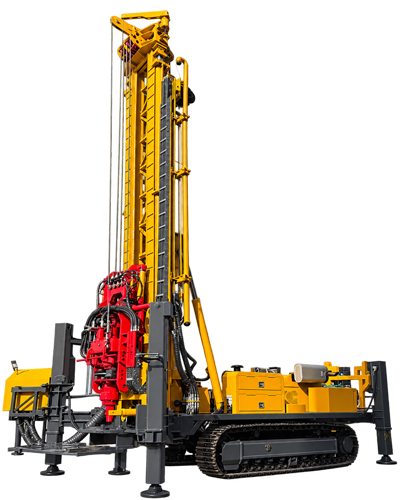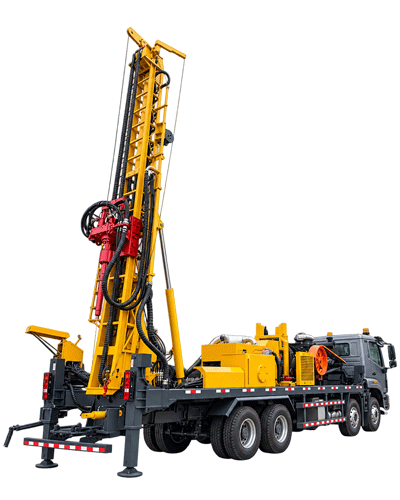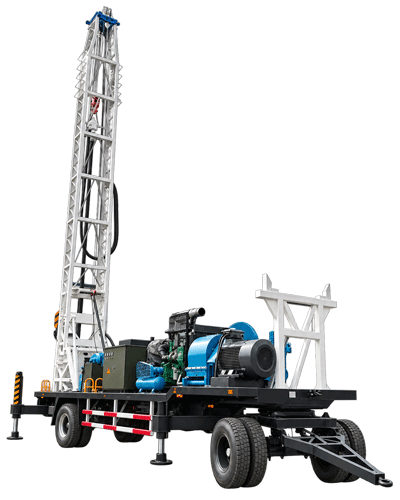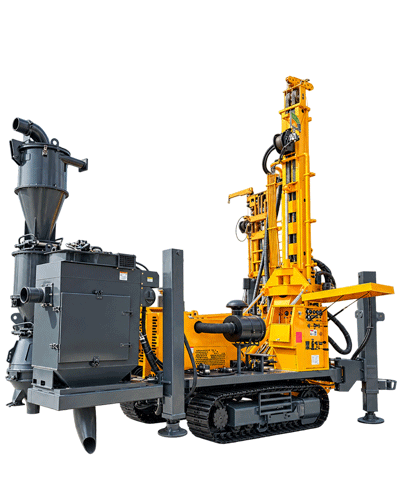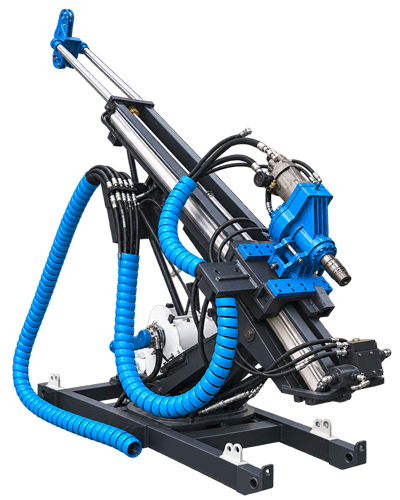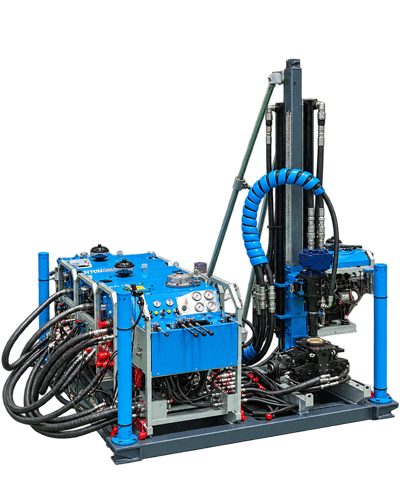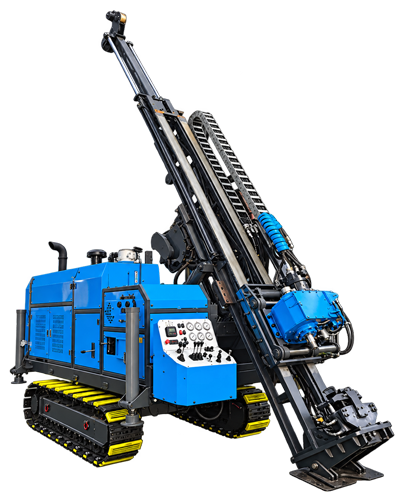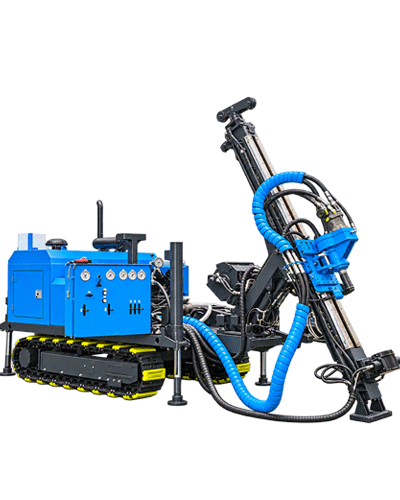
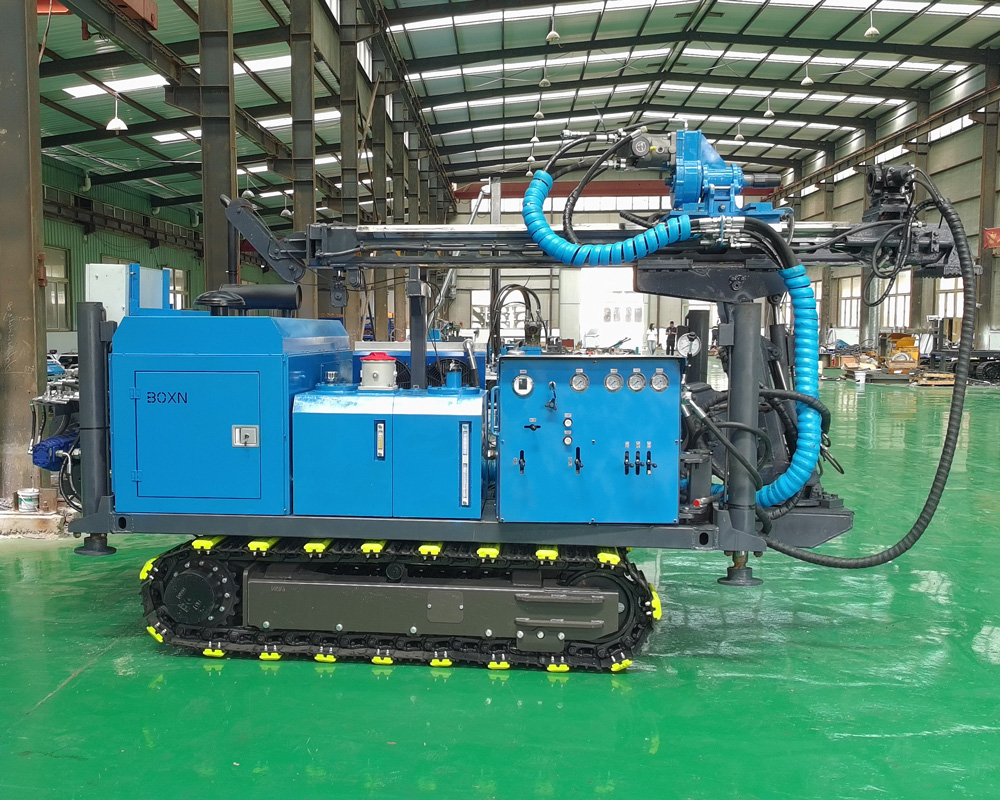
Integrated Down-the-Hole Drilling Rig
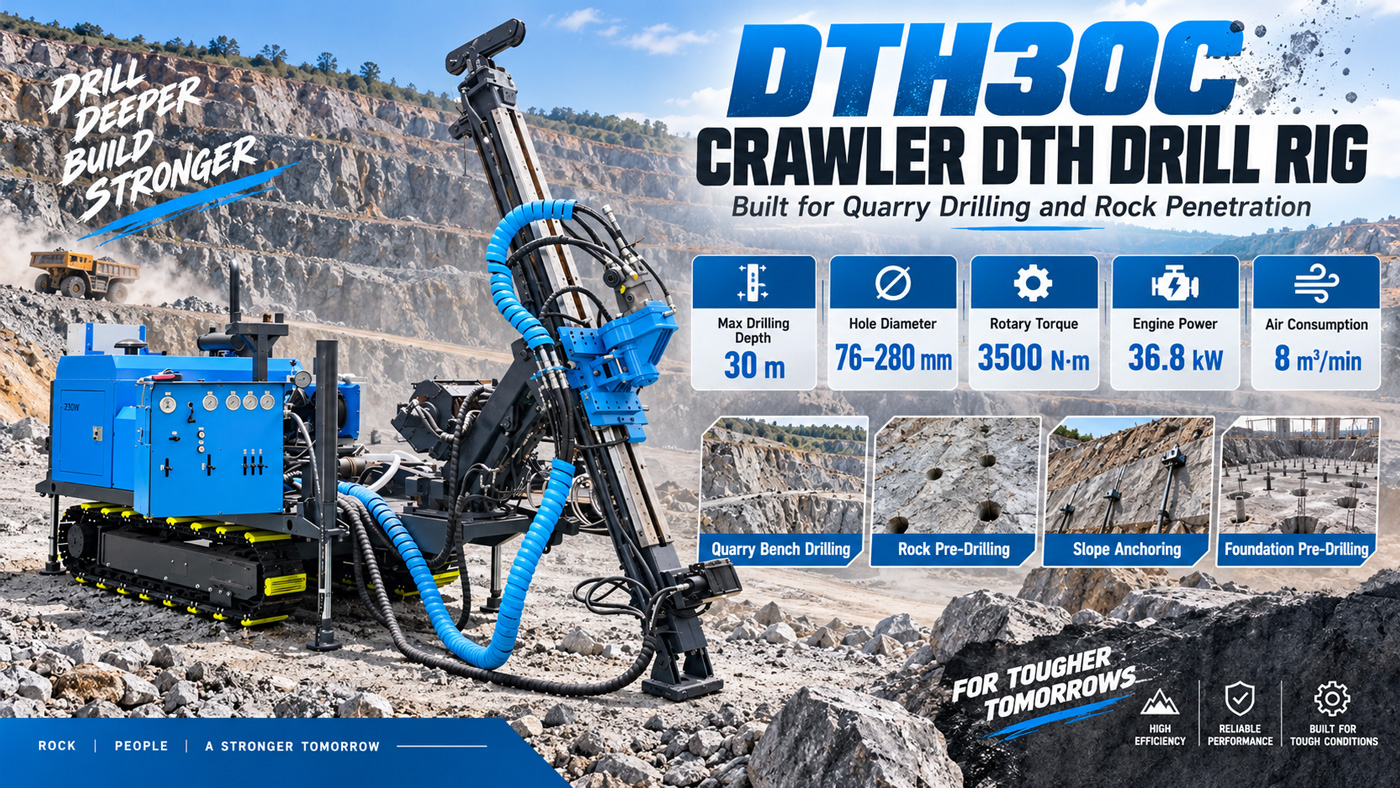
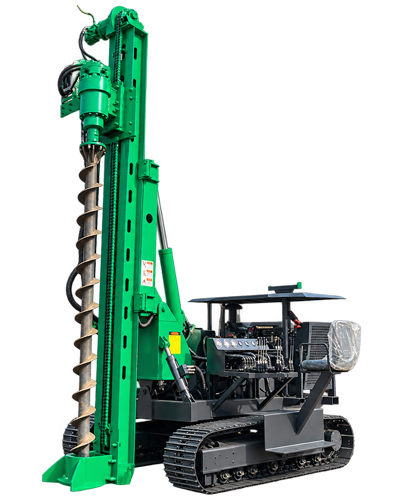
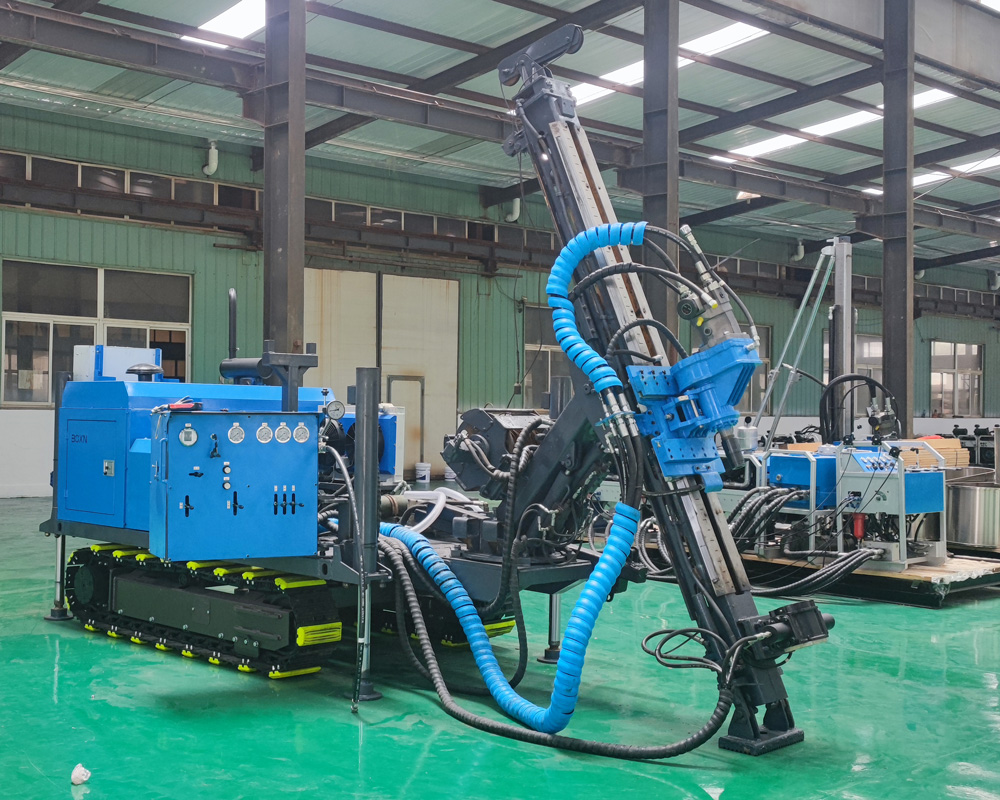
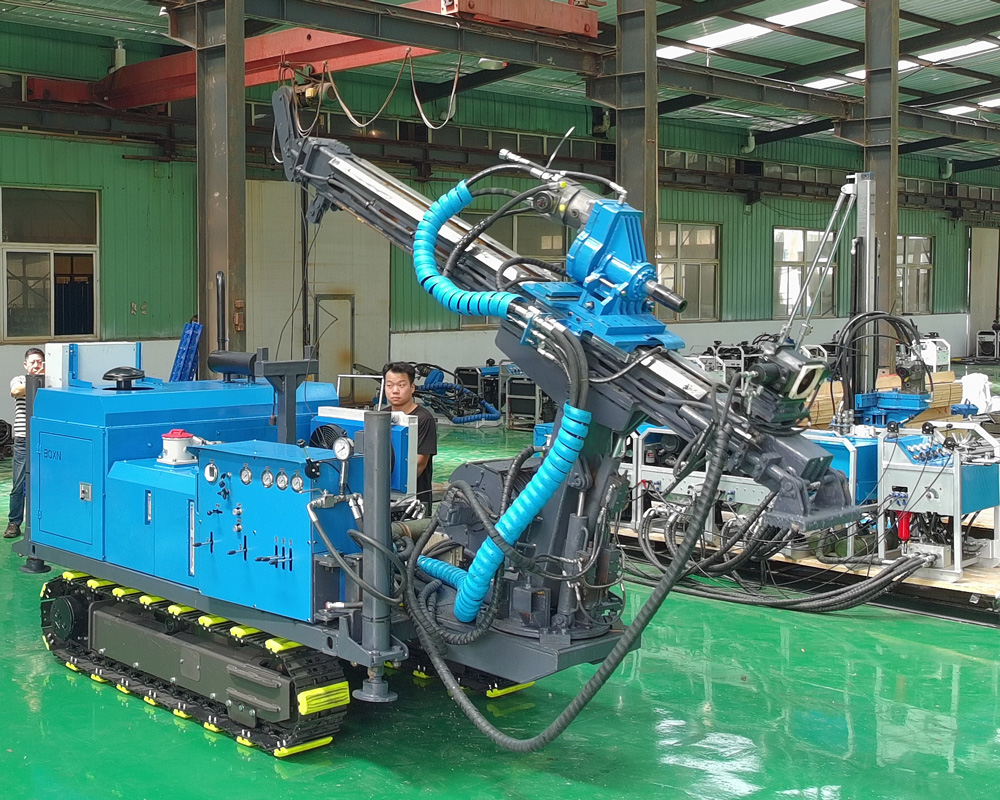
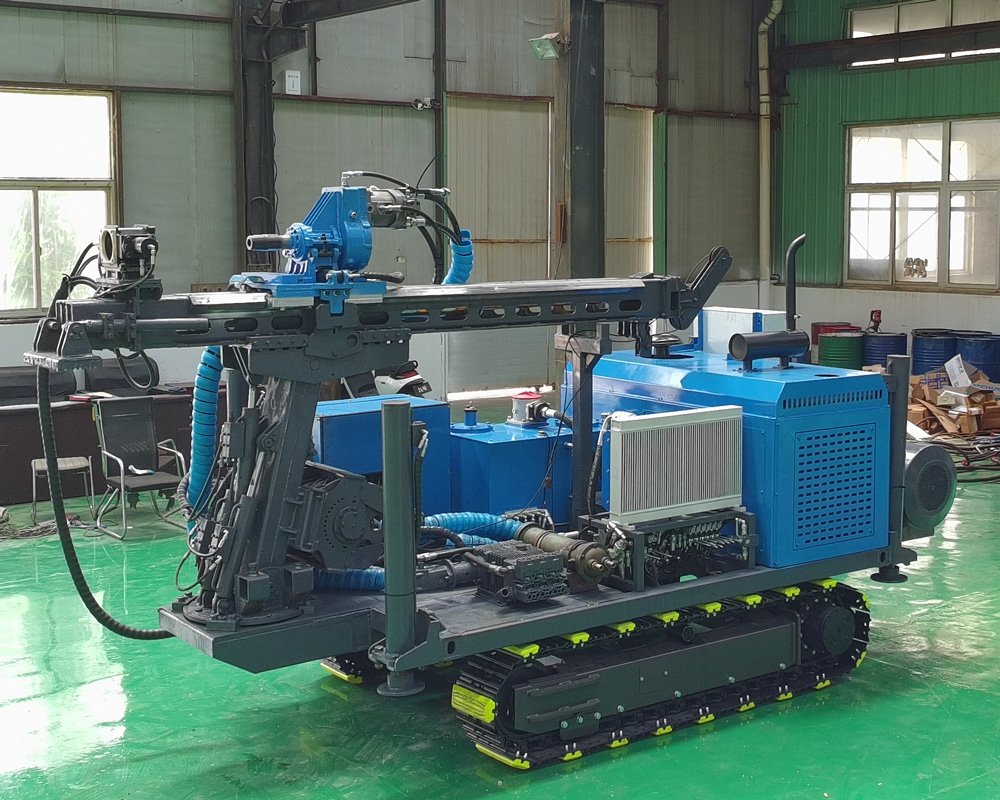
DTH30C is a compact crawler hydraulic DTH drill rig designed for engineering rock drilling, slope anchoring, foundation pre-drilling, and quarry construction. The equipment has a maximum drilling depth of 30 m, a hole diameter of 76–280 mm, and a maximum rotary torque of 3500 N·m, making it suitable for short and medium-shallow holes in medium to high hardness rock formations. Its advantage lies not in deep well capability, but in its compact body, crawler mobility, multi-angle operation, and adaptability to engineering hard rock conditions.
The maximum drilling depth of DTH30C is 30 m, making it more suitable for engineering projects such as slope anchor bolt holes, anchor cable holes, drainage holes, foundation pre-drilled holes, quarry short holes, and short pile pre-drilling. For deep water well construction of 200 m, 300 m or more, a dedicated water well drill rig should be selected. This 30 m class engineering DTH drill rig cannot be used as deep water well equipment.
The applicable rock hardness given in the data is approximately f = 8–24, suitable for limestone, granite, sandstone, basalt, and other medium to high hardness rock formations. In actual construction, the DTH hammer and drill bit should be selected according to rock integrity, abrasiveness, and hole diameter. Under hard rock conditions, compressed air supply and DTH hammer lubrication must be ensured.
DTH30C can be used for anchor bolt holes, anchor cable holes, and drainage holes in highway slopes, railway slopes, foundation pit slopes, and retaining structures. The equipment has a swing angle of 18–180°, allowing the drilling posture to be adjusted according to the designed hole direction. Before slope construction, platform stability, rockfall risk, and support conditions should be checked to avoid direct operation on unstable slopes.
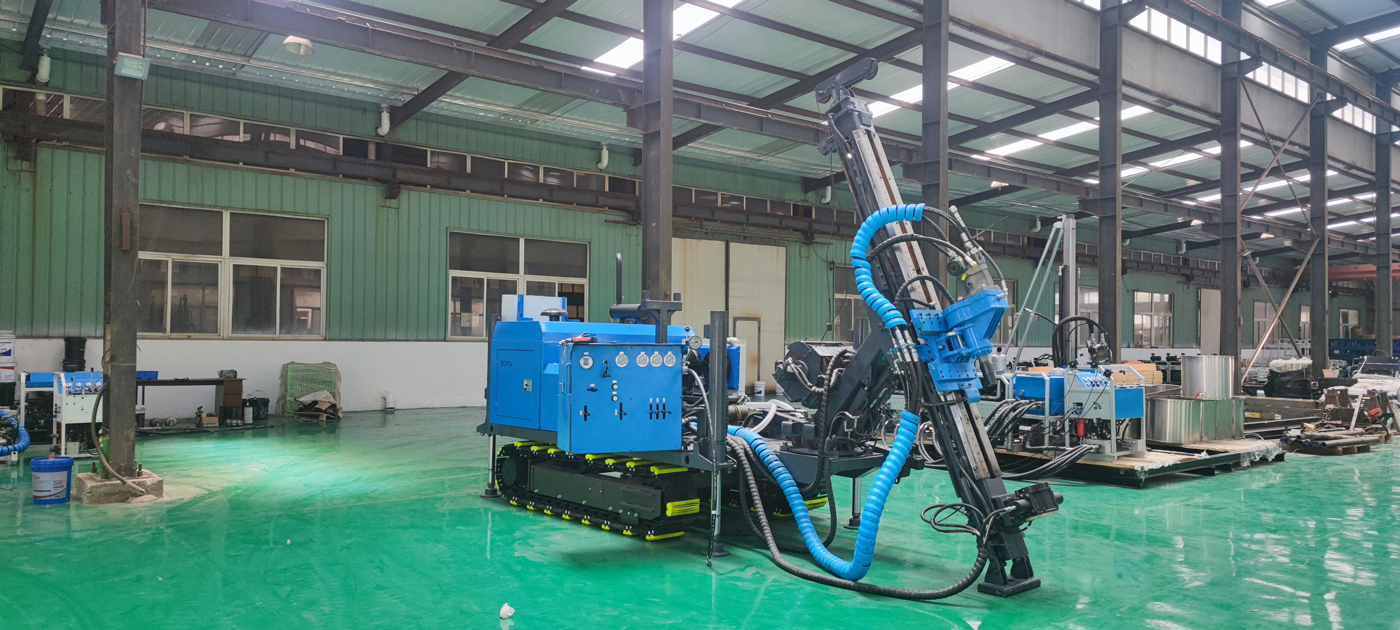
In equipment foundations, guardrail piles, short piles, and hard rock foundation construction, when encountering intact rock formations, DTH drilling can be used first to form pre-drilled holes, reducing resistance for subsequent piling or installation. The 3.2 m slide frame stroke and 2.2 m effective stroke are suitable for medium-short drill rods and short pile construction, maintaining a compact body while meeting common engineering rhythms.
In quarries, stone yards, and open-air projects, DTH30C can be used for bench holes, auxiliary rock breaking holes, and local engineering holes. Compared with large blast hole drill rigs, it is more suitable for construction environments with narrow sites, shallow hole depths, and frequent hole position adjustments, especially for small and medium-sized engineering teams.
Slope reinforcement, drainage, rock excavation preparation, and guardrail foundations in road engineering may require medium-shallow hole drilling. The crawler chassis facilitates short-distance movement along construction access roads. On gravel, compacted soil, and slightly uneven sites, it has better traction advantages than ordinary wheeled equipment.
The equipment uses an engineering rubber track chassis. Compared with ordinary wheeled transport equipment, it has better traction on gravel, compacted soil, incompletely hardened roads, and general rough terrain. At the same time, rubber tracks are more friendly to finished paved surfaces and concrete floors, making them suitable for urban construction and industrial plants.
The maximum rotary torque is 3500 N·m, which can meet the DTH drilling needs of most 76–280 mm engineering holes. In actual construction, rotation, feed, and impact should be matched. If rotation resistance continues to increase, return cuttings decrease, or the drill bit jumps significantly, parameters should be adjusted in time and the hole should be cleaned.
The 53 m/min in the data is the rapid movement speed of the feed mechanism, mainly used for power head return, drill rod handling, and non-drilling actions. It cannot be directly understood as the actual rock penetration rate. Actual drilling efficiency is affected by rock hardness, hole diameter, DTH hammer specifications, air compressor capacity, and drill bit wear.
The equipment has a swing angle range of 18–180° and an inclination adjustment function, and can be used for vertical holes, inclined holes, and some lateral holes. The original data does not give a clear inclination angle range. Therefore, in actual project design, the final production configuration and equipment technical confirmation documents shall prevail.
DTH drilling relies on compressed air to drive the DTH hammer and discharge cuttings. The reference air consumption in the data is about 8 m³/min, but the original table actually marks it as 8 m²/min. This article interprets it as m³/min according to the common compressed air flow unit and retains the note in the parameter table. The final official technical data shall prevail.
DTH drilling generates high-speed exhaust and a large amount of rock dust, especially in dry hard rock. Dust collectors or water mist suppression systems can be configured according to the project to reduce dust diffusion, and goggles, dust masks, and hearing protection should be configured in accordance with local construction regulations.
Weathered rock, soil-rock mixed layers, and upper loose overburden are prone to unstable hole walls. In such formations, the feed speed should be reduced, and casing, starting drilling tools, or other upper hole stabilization methods should be used as needed. After entering intact rock, adjust the DTH hammer and drill bit parameters according to hardness.
Fractured and broken zones are prone to block falling, air leakage, and drill sticking. During construction, excessive feed should be reduced, continuous hole cleaning should be maintained, and casing should be used according to hole wall conditions. If high-pressure air circuit pressure is abnormal or return cuttings suddenly stop, drilling should be stopped for inspection first, and forced feeding should not continue.
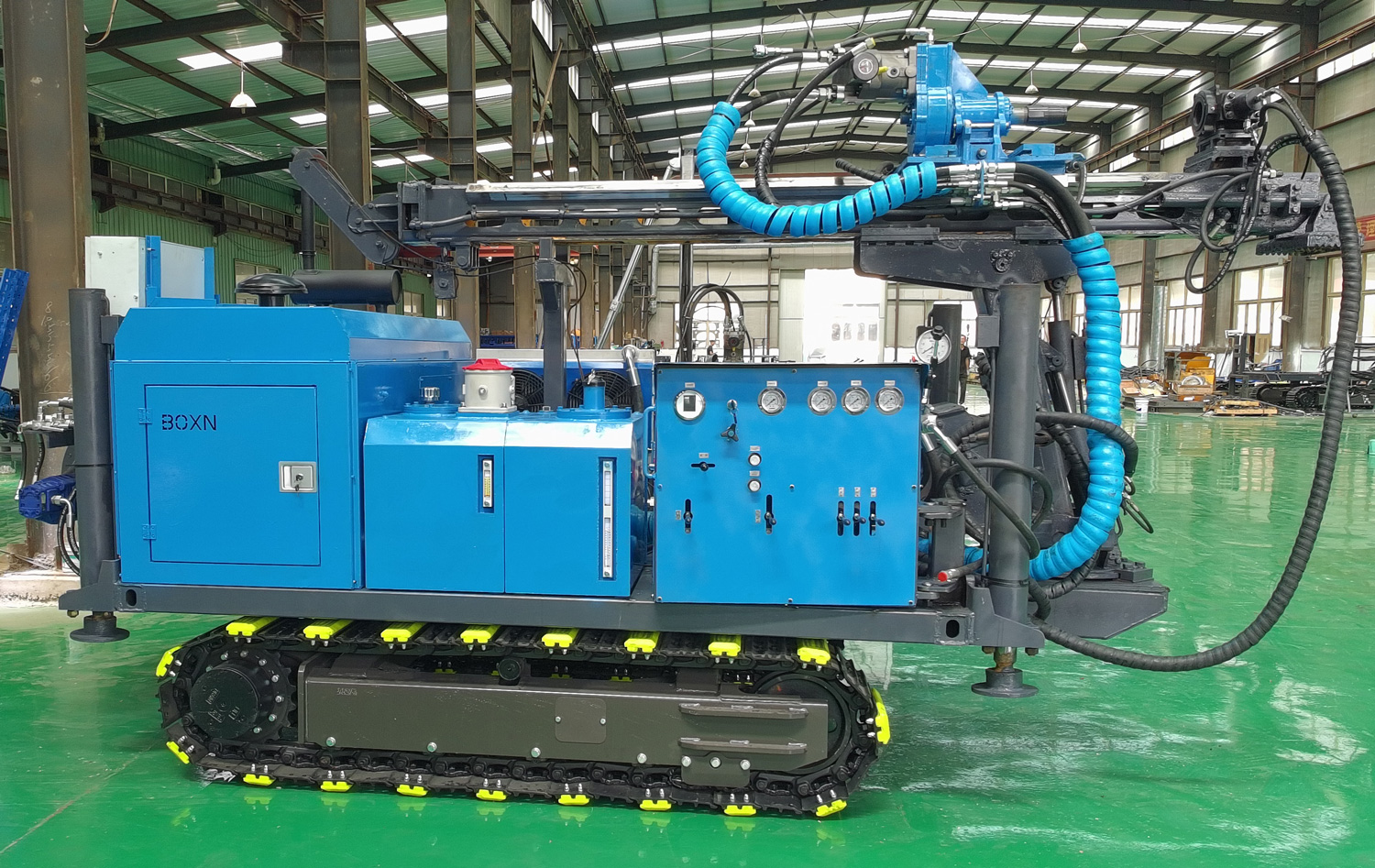
The overall dimensions are approximately 3200 × 1200 × 1850 mm, with a width of about 1.2 m, suitable for some plant areas, construction sites within enclosures, and narrow construction passages. Before entering the construction point, turning space, ground bearing capacity, underground pipelines, and surrounding buildings should still be confirmed to avoid interference during construction.
The overall weight is about 2500 kg. Compared with large DTH equipment, it is easier to transport and load/unload, and is also suitable for frequent transfers within the construction site. When transporting, vehicles and fixing points with matching load capacity should be selected. The loading and unloading ramp must have sufficient bearing capacity, and the tracks should be prevented from slipping during loading and unloading.
A complete construction configuration may include DTH hammer, drill bit, drill rod, casing tools, air compressor, high-pressure air hose, oil mist lubricator, dust collector, or water mist suppression device. If used for short piles or specific foundation pre-drilling, corresponding piling or pre-drilling attachments can also be selected according to the project.
Before starting work, check the tracks, mast, hydraulic lines, drill rod connections, and high-pressure air hose; confirm the safety of underground pipelines, surrounding structures, and the working platform; during drilling, personnel must not enter the areas of rotating drill rods, high-pressure exhaust, and mast movement; after daily work, clean the slide frame and check for hydraulic leaks, drill bit wear, and DTH hammer lubrication.
The "air consumption" in the original data is marked as 8 m²/min, which is more likely to be 8 m³/min according to common engineering expression; at the same time, "inclination" only indicates the presence of an inclination adjustment function, without giving a specific value range. This article does not supplement missing data. The final official production configuration and technical confirmation data shall prevail.
Due to differences in actual rock hardness, hole diameter, DTH hammer specifications, air compressor capacity, and operating methods, the final drilling efficiency and construction results shall be subject to on-site conditions.
| Parameter item | Parameter value |
|---|---|
| Basic parameters | |
| Product model | DTH30C |
| Equipment type | Multifunctional crawler hydraulic DTH drill rig |
| Chassis type | Engineering rubber track chassis |
| Travel mode | Hydraulic crawler drive |
| Power | 36.8 kW diesel engine (optional) |
| Drilling parameters | |
| Maximum drilling depth | 30 m |
| Hole diameter | 76–280 mm |
| Applicable rock hardness | Medium to high hardness, approximately f = 8–24 |
| Maximum rotary torque | 3500 N·m |
| Reference air consumption | Approximately 8 m³/min |
| Air consumption note | The original table marks it as 8 m²/min, interpreted as 8 m³/min according to the common unit for compressed air flow. The final official technical data shall prevail. |
| Feed and mast system | |
| Slide frame stroke | 3.2 m |
| Effective stroke | 2.2 m |
| Feed speed | 53 m/min |
| Piling height | 2.2 m |
| Inclination adjustment | Equipped with inclination adjustment function; the original data does not give a specific angle range |
| Swing angle | 18–180° |
| Travel and overall parameters | |
| Travel speed | 5–10 km/h |
| Overall dimensions | 3200 × 1200 × 1850 mm |
| Overall weight | 2500 kg |
| Applicable ground | Compacted soil, gravel roads, construction access roads, and general uneven sites |
| Typical applications | |
| Slope anchoring | Anchor bolt holes and anchor cable holes for highways, railways, foundation pits, and retaining walls |
| Foundation pre-drilling | Equipment foundations, guardrail piles, short piles, and hard rock foundation pre-drilling |
| Quarry | Bench holes, pre-drilling before rock breaking, and auxiliary engineering holes |
| Road engineering | Slope reinforcement, drainage holes, rock excavation preparation |
| Municipal and plant areas | Narrow construction points, equipment foundations, and rock drilling in confined spaces |
| Optional supporting equipment | |
| DTH drilling tools | DTH hammer, drill bit, drill rod, and casing tools |
| Air compression system | Air compressor, high-pressure air hose, and oil mist lubricator |
| Environmental configuration | Dust collector or water mist suppression system |
| Piling attachment | Select short pile or pre-drilling attachment according to the project |
We are a professional drilling equipment manufacturer specializing in the research and development, production and supply of water well drilling rigs, core drilling rigs, reverse circulation drilling rigs, down-the-hole drilling rigs, truck-mounted drilling rigs and mineral exploration equipment.
© 2026 Shandong Hengjianhang Construction Machinery Co., Ltd. All rights reserved.