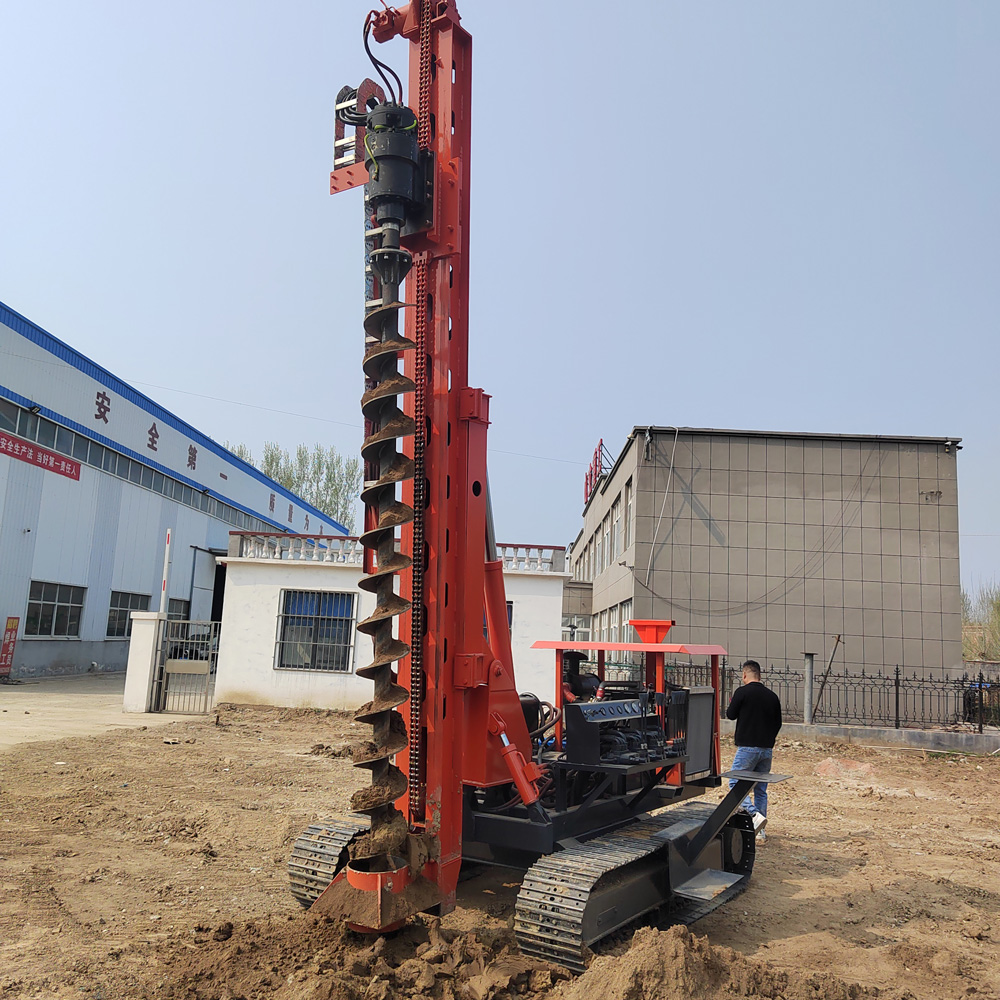
Photovoltaic Pile Driver
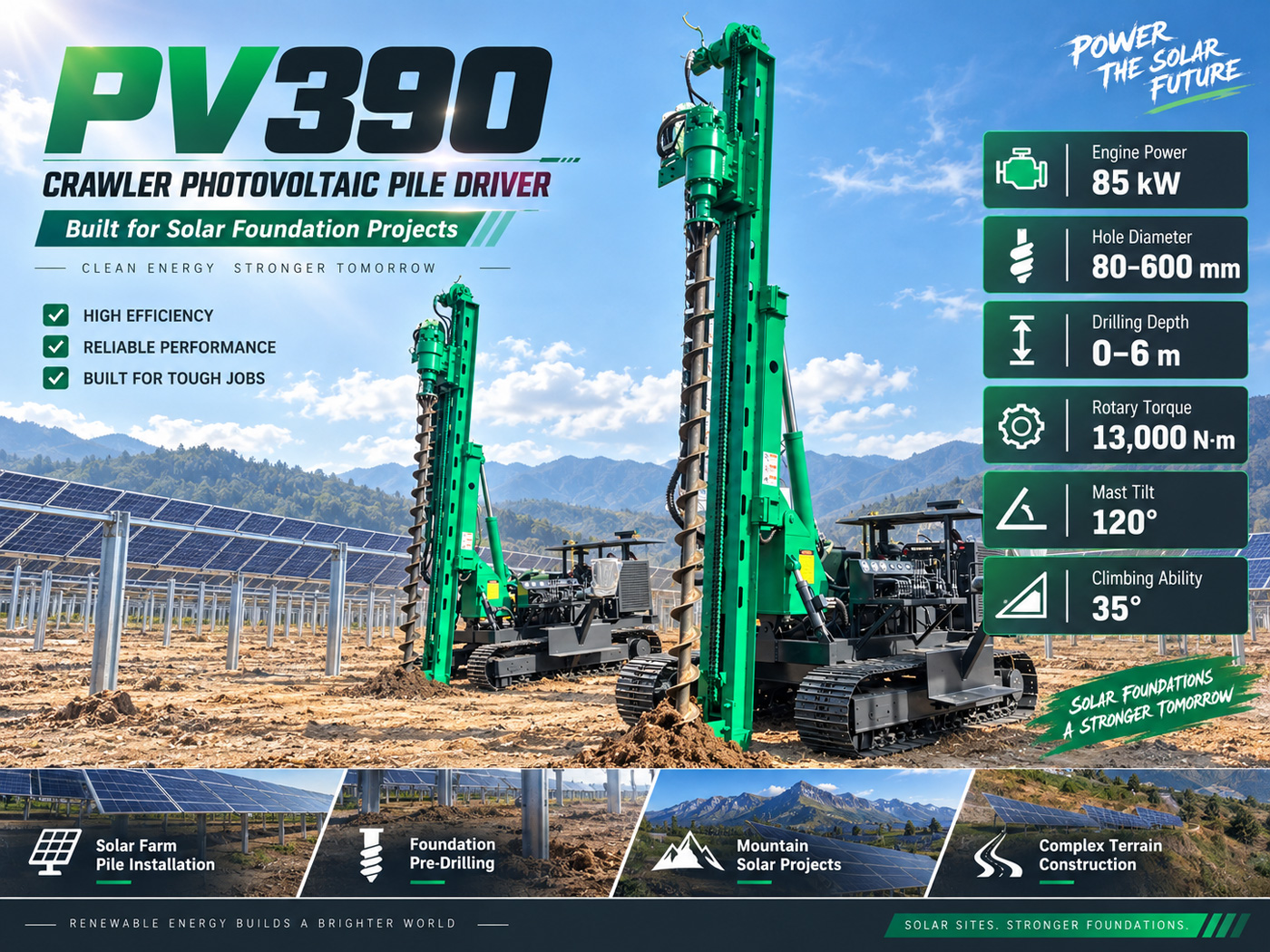
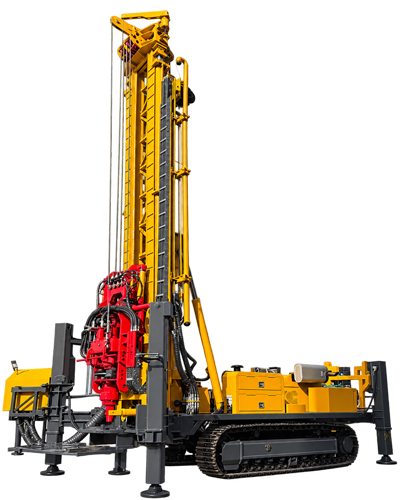
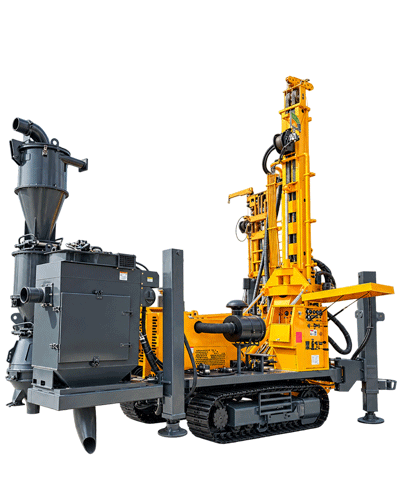
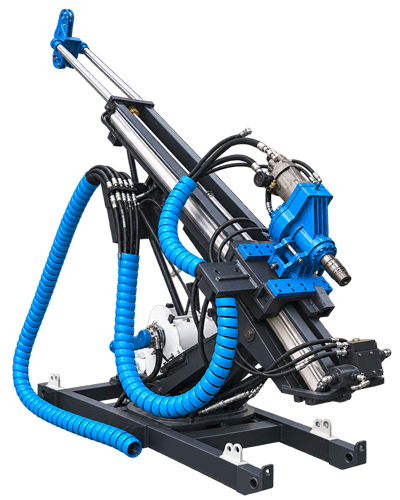
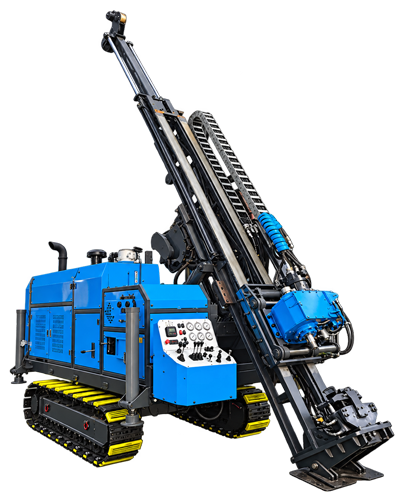
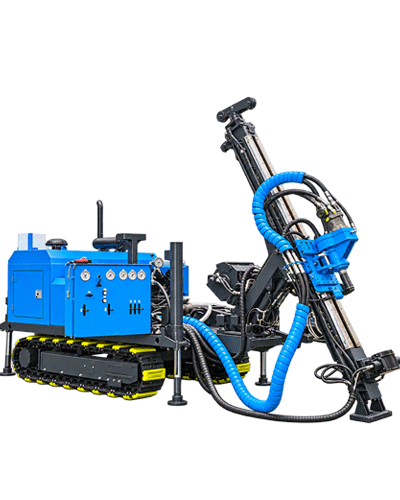
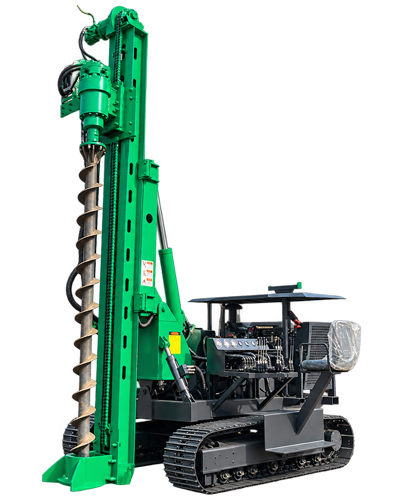
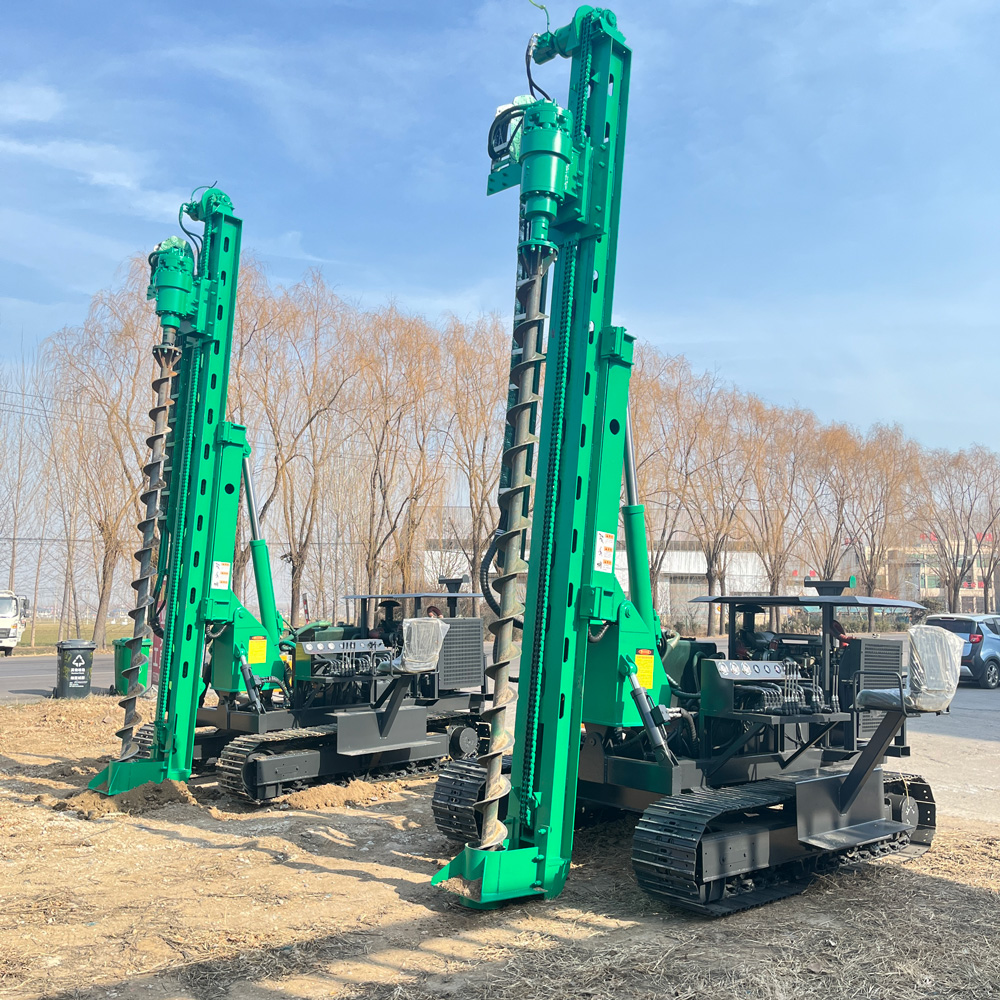
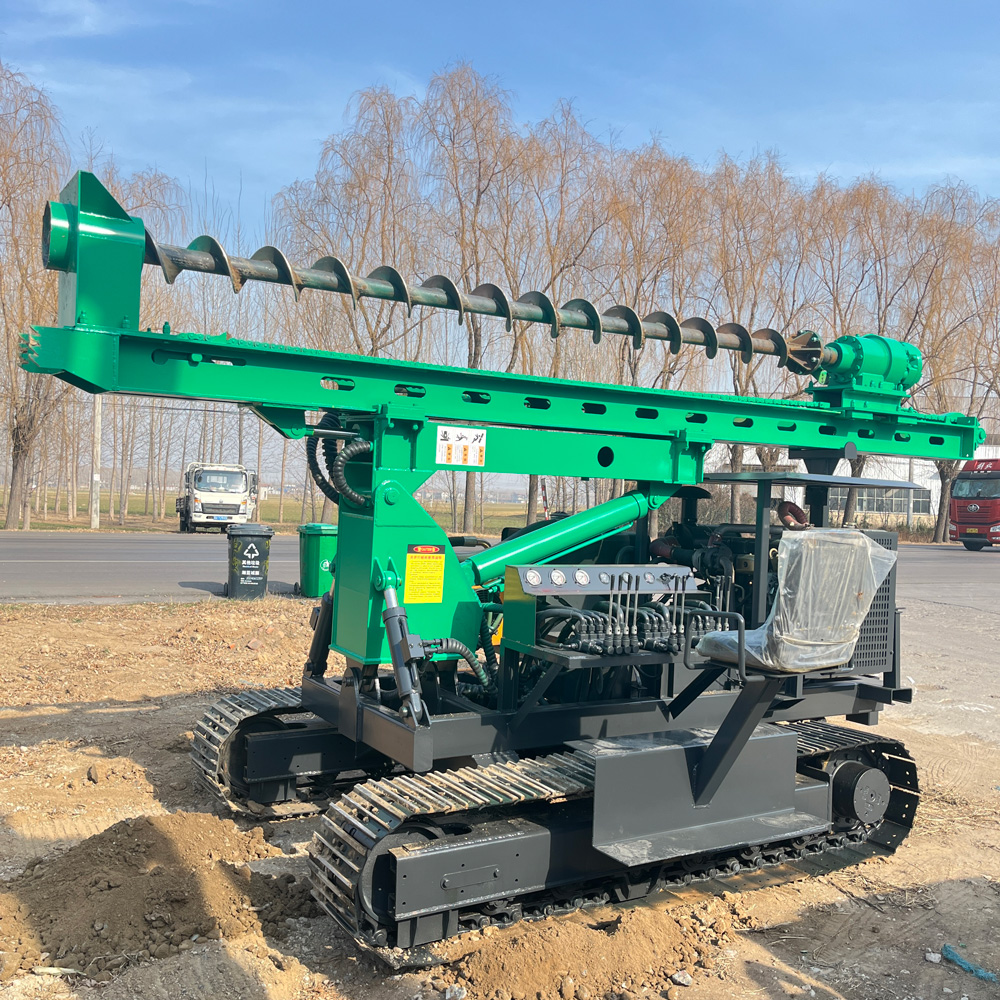
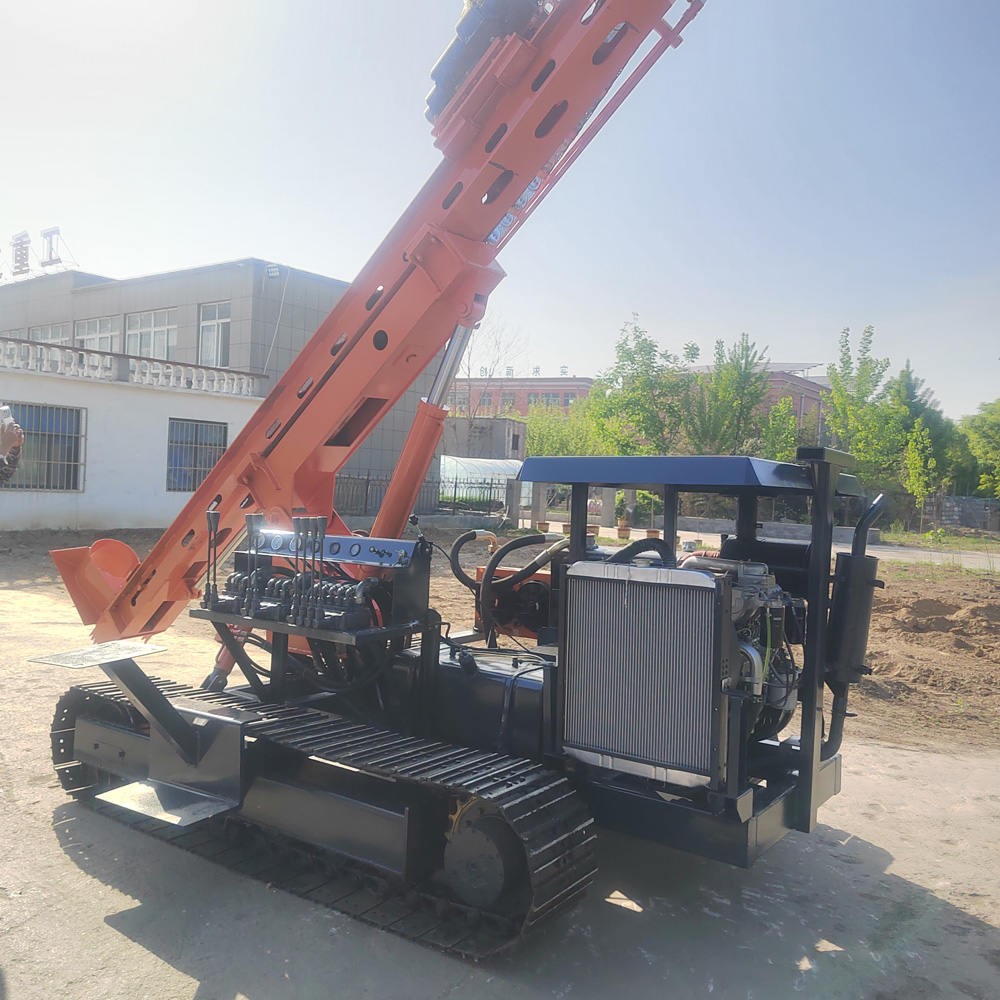
The PV390 is a crawler-type hydraulic photovoltaic pile driver designed for ground-mounted PV power stations, mountainous PV sites, and engineering foundation pre-drilling. It is equipped with an 85 kW Yuchai four-cylinder engine, 13,000 N·m reducer torque, drilling diameter of 80–600 mm, drilling depth of 0–6 m, and features 120° mast pitch, dual-cylinder left-right swing arm, and 50 cm front-rear telescopic compensation, making it suitable for multiple pile positions, slopes, and complex construction postures.
The PV390 is mainly used for pre-drilling PV support foundations, hole forming, and pile foundation construction with corresponding attachments. PV stations have many pile positions, regular spacing, and high continuous operation requirements, so the machine's crawler mobility, posture adjustment, and rapid hole alignment capabilities greatly affect actual construction efficiency.
The 85 kW Yuchai four-cylinder engine provides power for travel, rotation, chain pressurization, and mast adjustment. PV sites are usually far from fixed power sources, so diesel power is more suitable for independent field construction. During continuous high-load operation, focus on checking cooling, air filters, and the fuel system.
The reducer torque is 13,000 N·m, and the drill rod speed is 90 r/min, covering a drilling range of 80–600 mm. For large diameters, dense soil layers, and formations with gravel, higher torque helps maintain rotation, but actual penetration still depends on bit type, formation structure, and feed control.
The maximum drilling depth is 6 m, positioned for PV pile foundations and shallow foundation projects rather than deep water well construction. Conventional PV supports, fence posts, and other shallow foundation projects can select drilling tools and construction methods according to design depth.
The 80–600 mm drilling range can adapt to different pile types, pilot holes, and foundation hole requirements. Smaller diameters are suitable for conventional pile position pre-drilling, while larger diameters are suitable for construction requiring larger foundation holes. The final hole diameter must be based on project design drawings and foundation forms.
The machine adopts chain pressurization, which can continuously provide feed force to the drilling tool. When encountering cobblestone, backfill layers, or strongly weathered rock, control the feed according to rotation load and drilling tool condition to avoid excessive downward pressure causing hole deviation, sticking, or excessive impact on the drilling tool.
The mast pitch range is 120°, which helps mountainous PV projects adjust drilling posture according to slope and pile position requirements. Multi-angle adjustment can reduce repeated movement of the entire machine, making it more practical for PV sites with obvious undulations.
The mast adopts a dual-cylinder left-right swing arm, which can laterally adjust the drilling position after the machine is stabilized. For large-area array PV stations, this structure helps reduce full-machine fine-tuning at each pile position and improves continuous construction rhythm.
The 50 cm front-rear telescopic compensation can be used for longitudinal fine-tuning of pile positions. Combined with mast pitch and left-right swing, it forms more flexible multi-directional positioning capability, suitable for construction environments with uneven ground or dense pile positions.
The 400 mm track pads help distribute ground pressure and improve traction on dirt roads, grass, gravel, and slopes. Compared with wheeled chassis, crawler structures are more suitable for frequent short-distance transfers within PV construction sites.
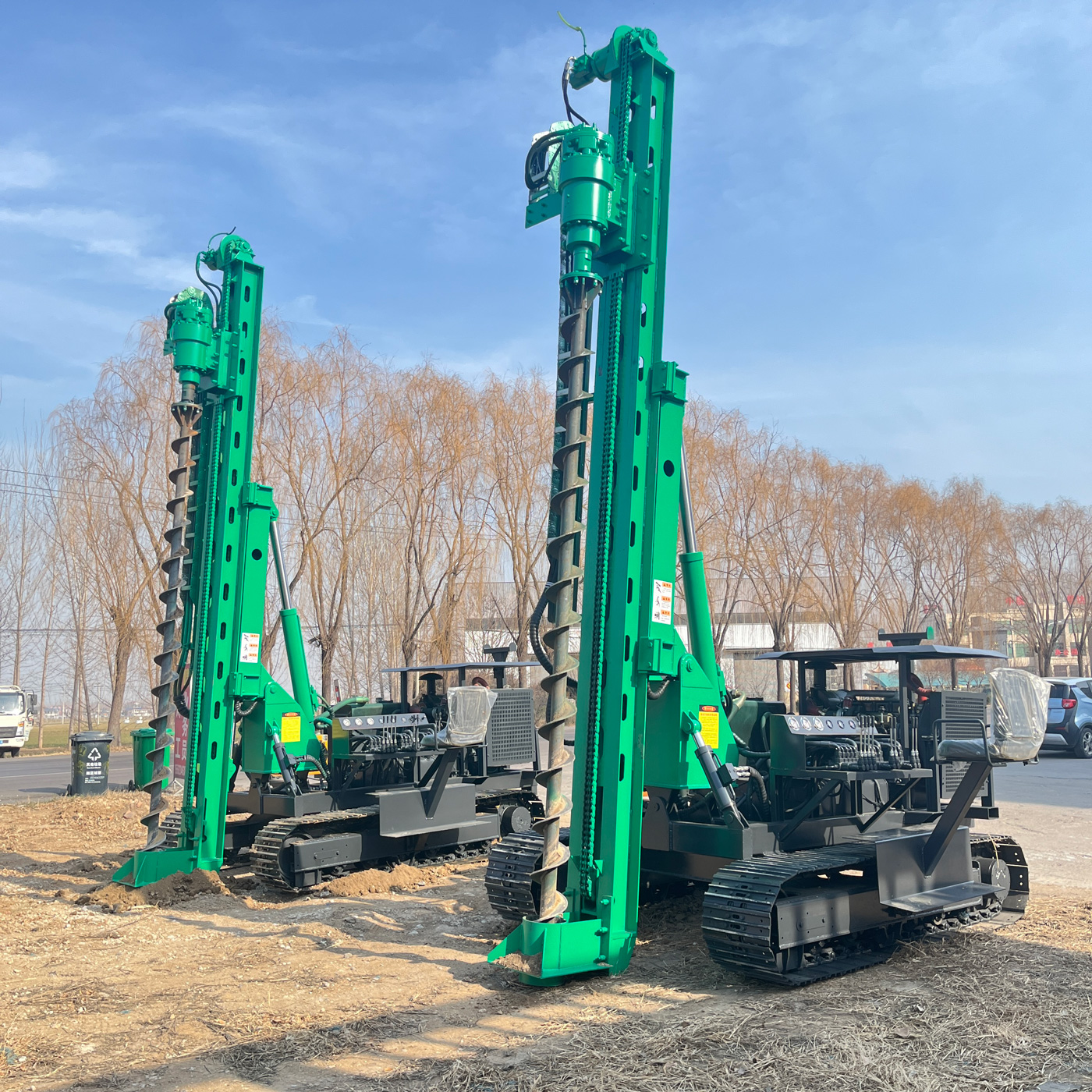
The data indicates a climbing angle of 35°. Actual slope construction should still comprehensively consider cross slope, ground wetness, soil quality, and machine center of gravity. The maximum climbing angle should not be used alone as the basis for safe travel.
Soil and loess usually have lower drilling resistance, but hole wall stability is affected by moisture content and density. Clay is prone to bit balling and poor cuttings removal. During construction, adjust feed and rotation speed promptly according to hole wall condition and bit load.
Cobblestone sand and backfill waste layers have complex particle composition, which may cause bit jumping, hole deviation, sticking, and local voids. When abnormal impact or sudden increase in rotation load occurs, lift the drill promptly for inspection to avoid forced feeding and damage to the drilling tool.
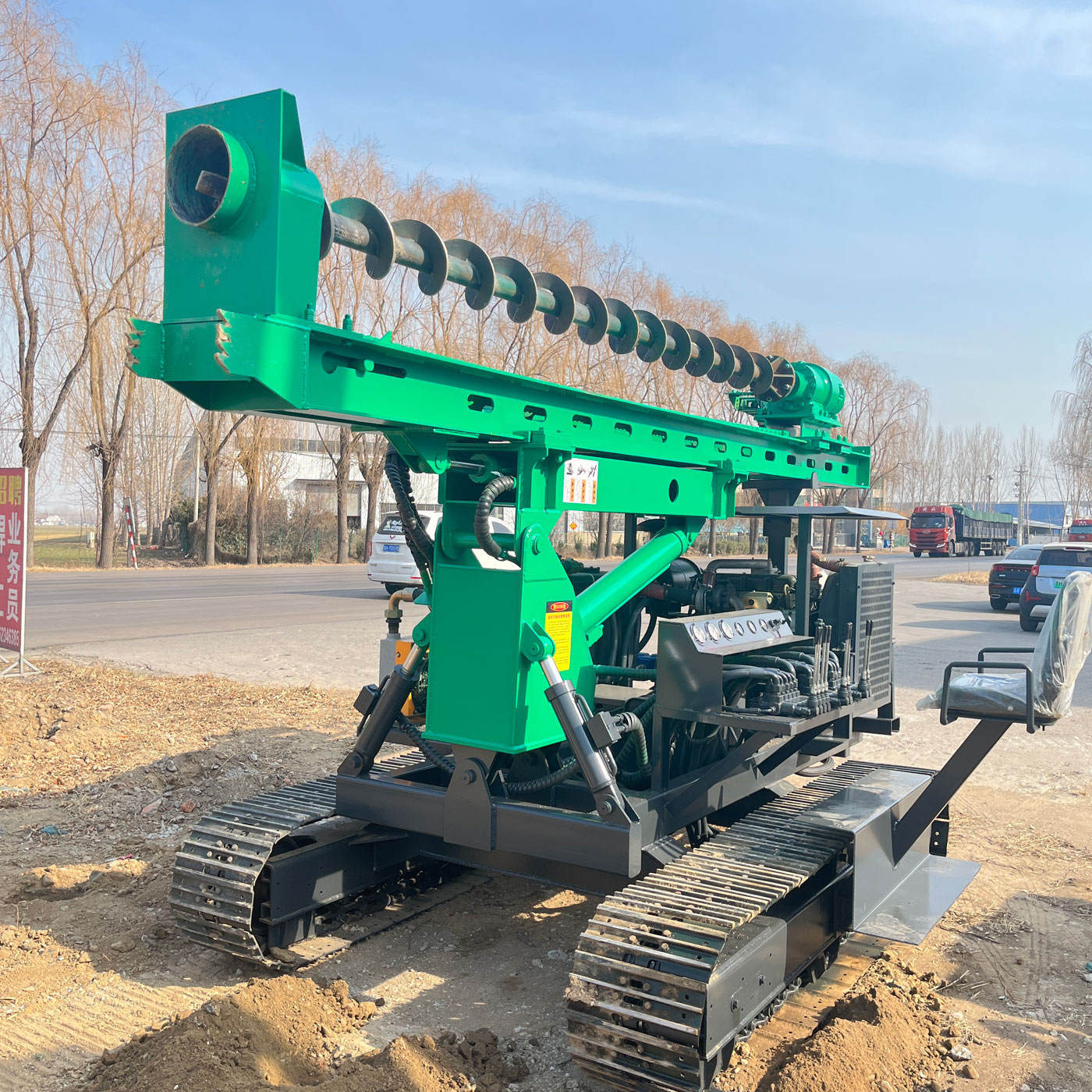
The original data clearly states that after replacing with impact drilling tools, it can be used for strongly weathered rock and rock layer construction. For rock projects, select matching drilling tools according to rock hardness, integrity, and target hole diameter. The original data does not provide impact hammer model or impact energy, so no additional commitment is made regarding specific hard rock efficiency.
Large ground PV projects have many pile positions and fast construction rhythm. The PV390 can rely on its crawler chassis and multi-directional mast adjustment to complete continuous pre-drilling; mountainous PV places more emphasis on slope passability, machine stability, and multi-angle operation capability.
Before construction, confirm underground cables, pipelines, and obstacles; for slope operations, check track traction and machine stability; during drilling, personnel must not approach the rotating drill rod, chain pressurization mechanism, or mast swing range; when replacing impact drilling tools, stop the machine and release hydraulic pressure.
The product model in the original data is SL390, and the user's latest confirmed model is PV390, so this article uniformly uses PV390. Other technical parameters are organized according to the provided data without additional modification.
Due to differences in actual geological conditions, drilling tool forms, pile types, hole diameters, construction angles, and operating methods, the final drilling efficiency, hole quality, and piling effect should be based on on-site working conditions and project foundation design.
| Parameter Item | Parameter Value |
|---|---|
| Basic Parameters | |
| Product Model | PV390 |
| Equipment Type | Four-cylinder hydraulic crawler photovoltaic pile driver |
| Overall Dimensions | 5200 × 2300 × 2650 mm |
| Track Pad Width | 400 mm |
| Power System | |
| Engine | Yuchai four-cylinder |
| Engine Power | 85 kW |
| Main Pump | Triple pump 40 / 40 / 32 |
| Travel Motor | TM09 |
| Drilling and Rotation | |
| Drilling Diameter | 80–600 mm |
| Drilling Depth | 0–6 m |
| Reducer | Internal five-star |
| Reducer Torque | 13,000 N·m |
| Drill Rod Speed | 90 r/min |
| Drill Pressurization | Chain pressurization |
| Mast and Posture Adjustment | |
| Mast Pitch | 120° |
| Mast Swing | Dual-cylinder left-right swing arm |
| Front-Rear Telescopic Compensation | 50 cm |
| Passability | |
| Climbing Angle | 35° |
| Chassis Type | Crawler type |
| Applicable Geology | |
| Soil | Suitable for conventional PV foundation pre-drilling and pile position construction |
| Loess | Adjust drilling parameters according to density and moisture content |
| Clay | Pay attention to bit balling and cuttings removal |
| Cobblestone Sand | Select drilling tools according to particle size and density |
| Backfill Waste Layer | Focus on preventing foreign objects, voids, and local sticking |
| Strongly Weathered Rock and Rock Layers | After replacing with impact drilling tools, it can be used for corresponding formation construction |
We are a professional drilling equipment manufacturer specializing in the research and development, production and supply of water well drilling rigs, core drilling rigs, reverse circulation drilling rigs, down-the-hole drilling rigs, truck-mounted drilling rigs and mineral exploration equipment.
© 2026 Shandong Hengjianhang Construction Machinery Co., Ltd. All rights reserved.