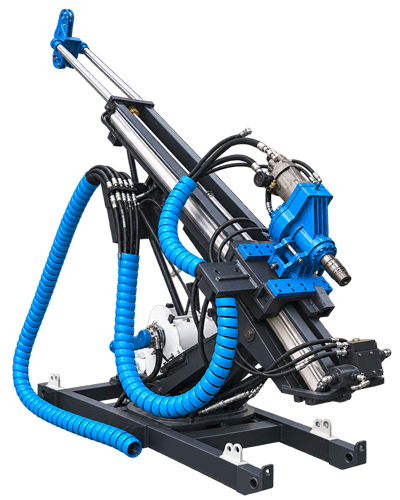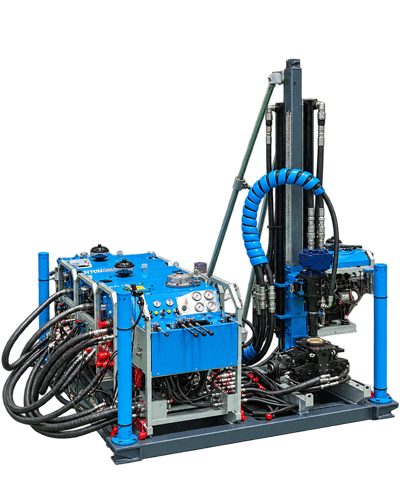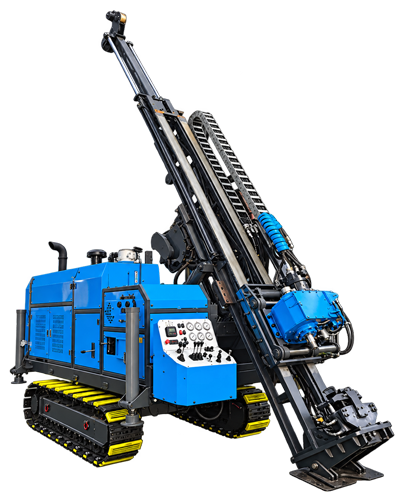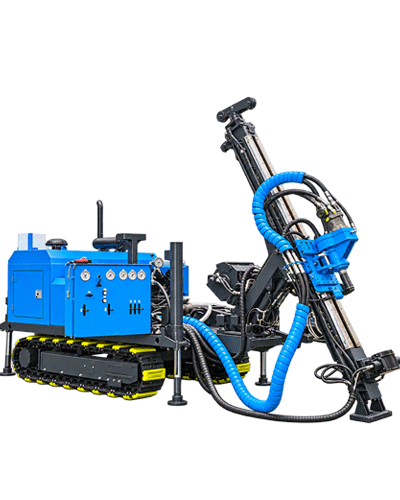
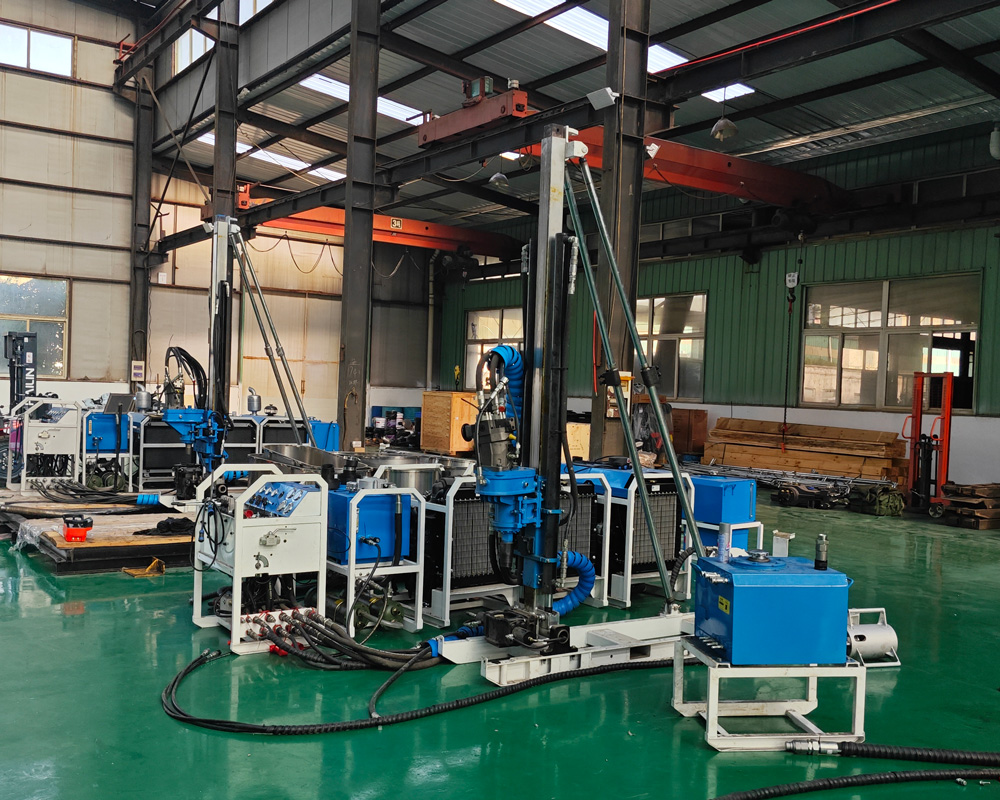
Split-Type Core Drilling Rig
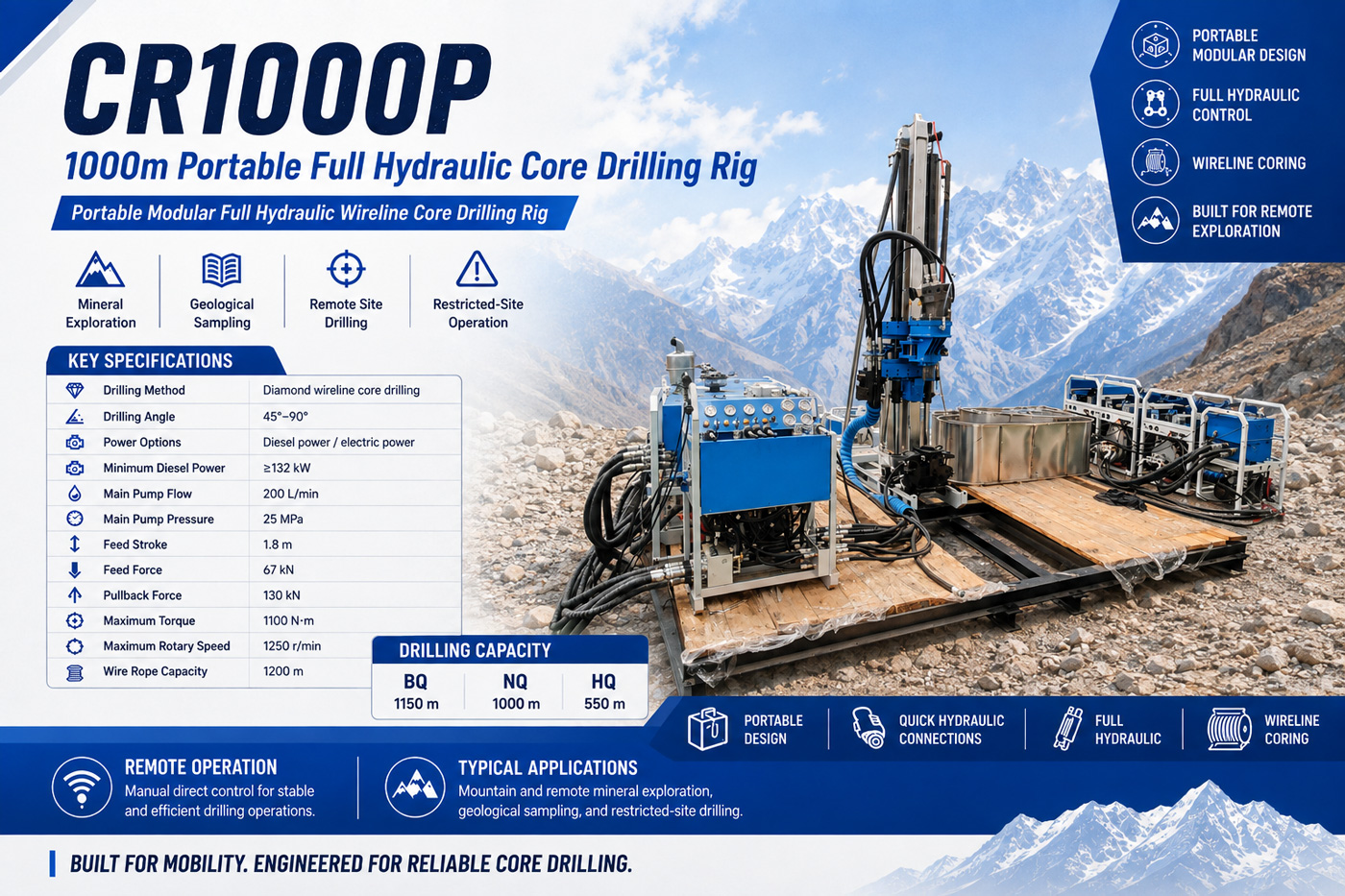
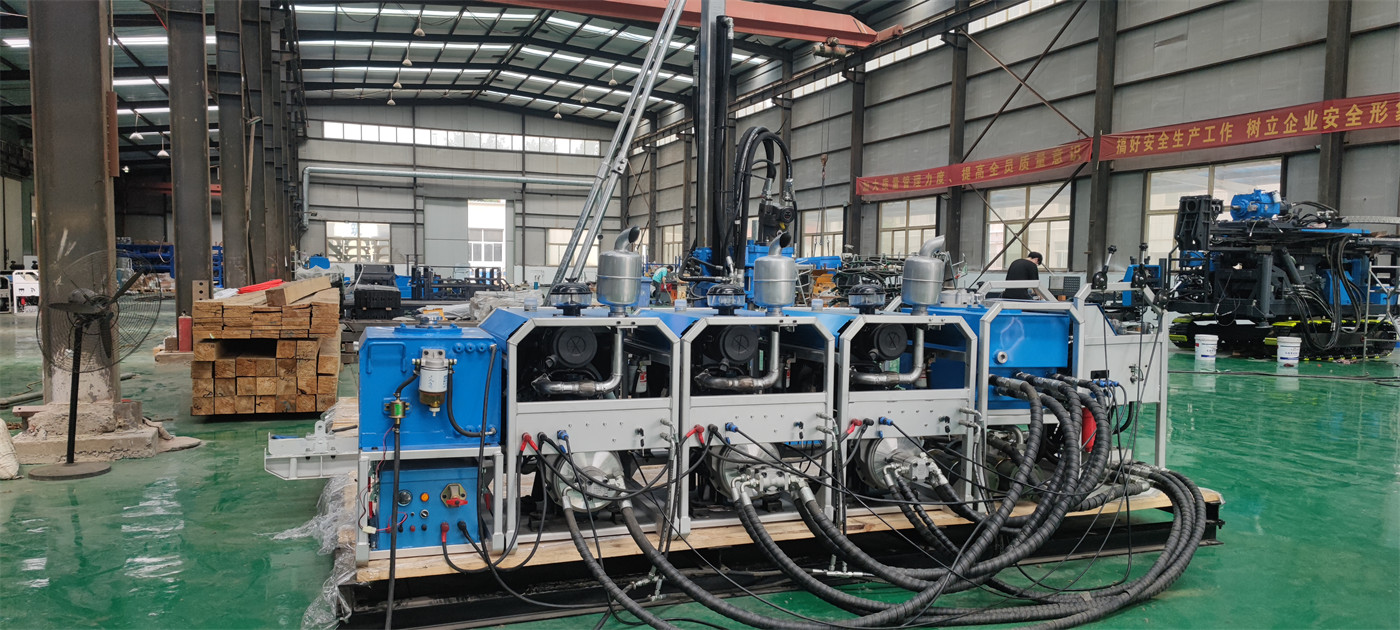
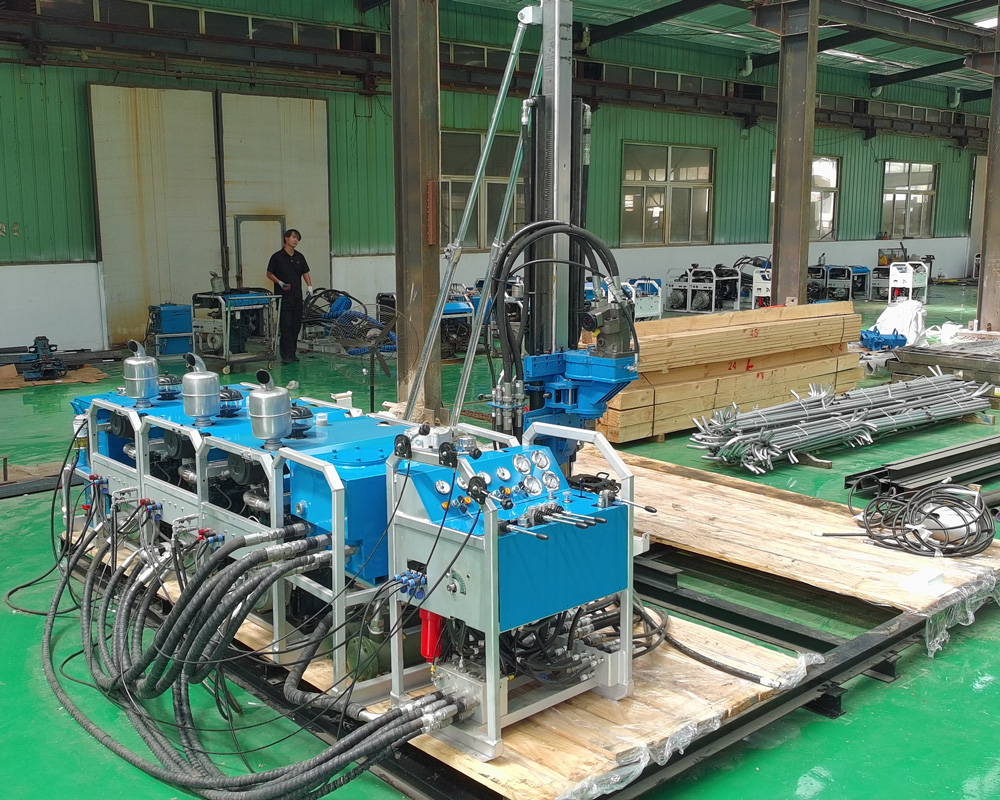
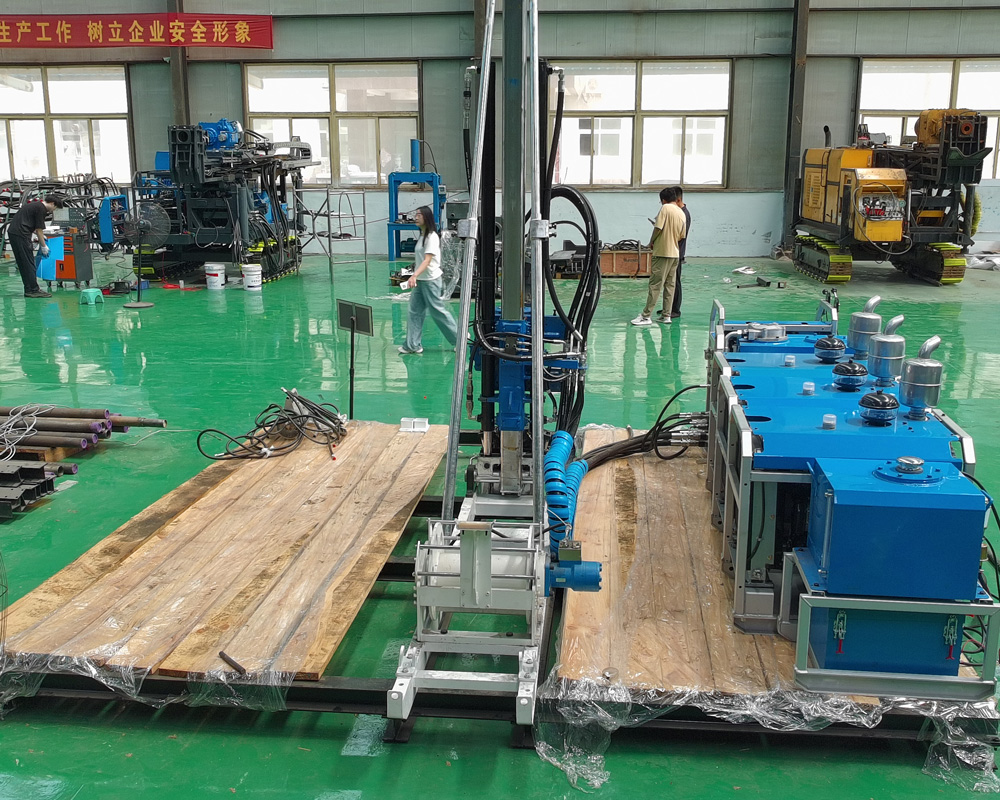
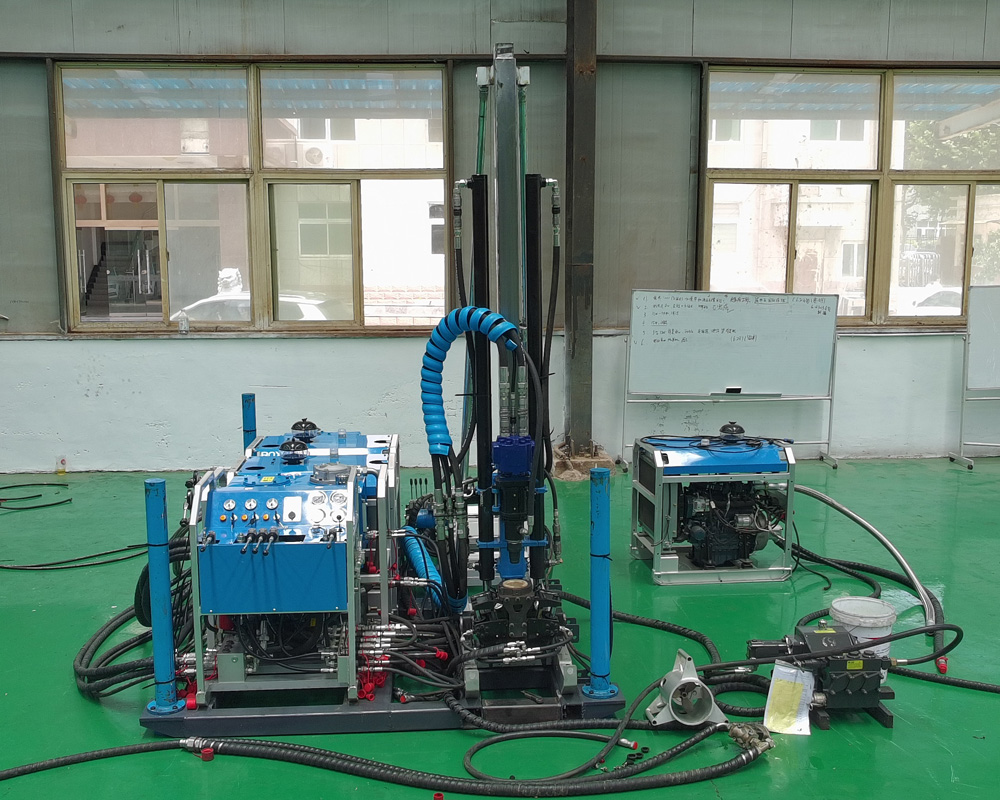
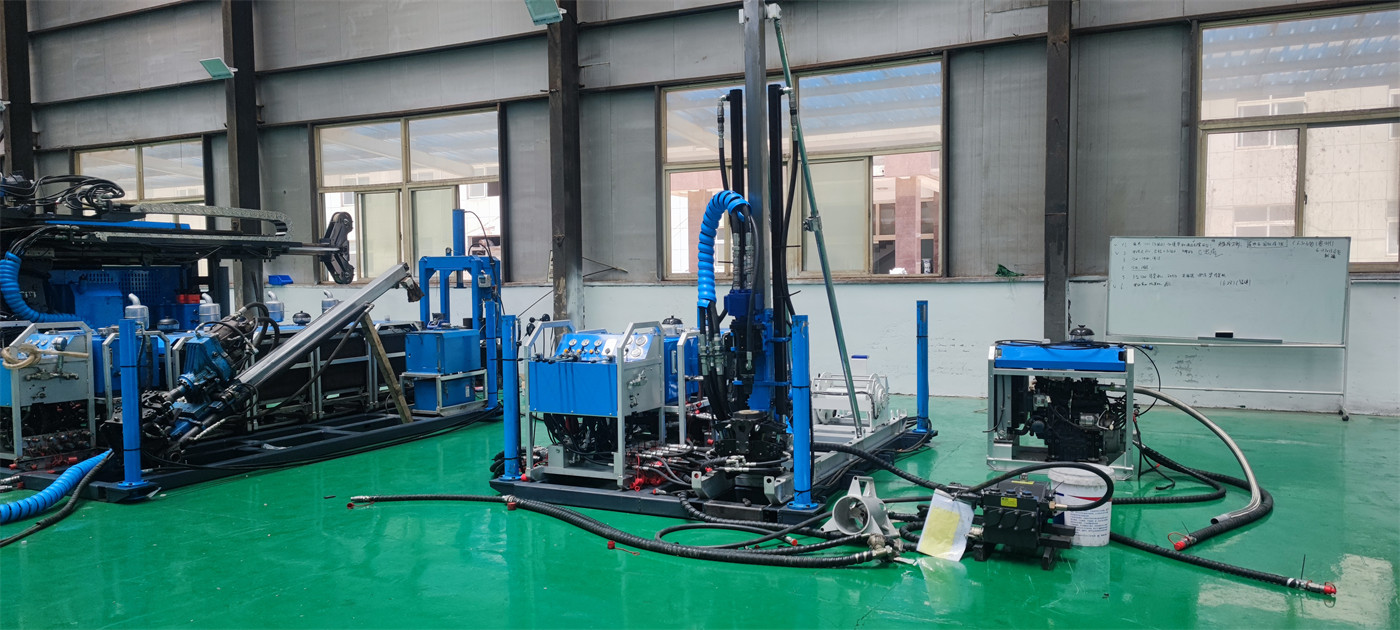
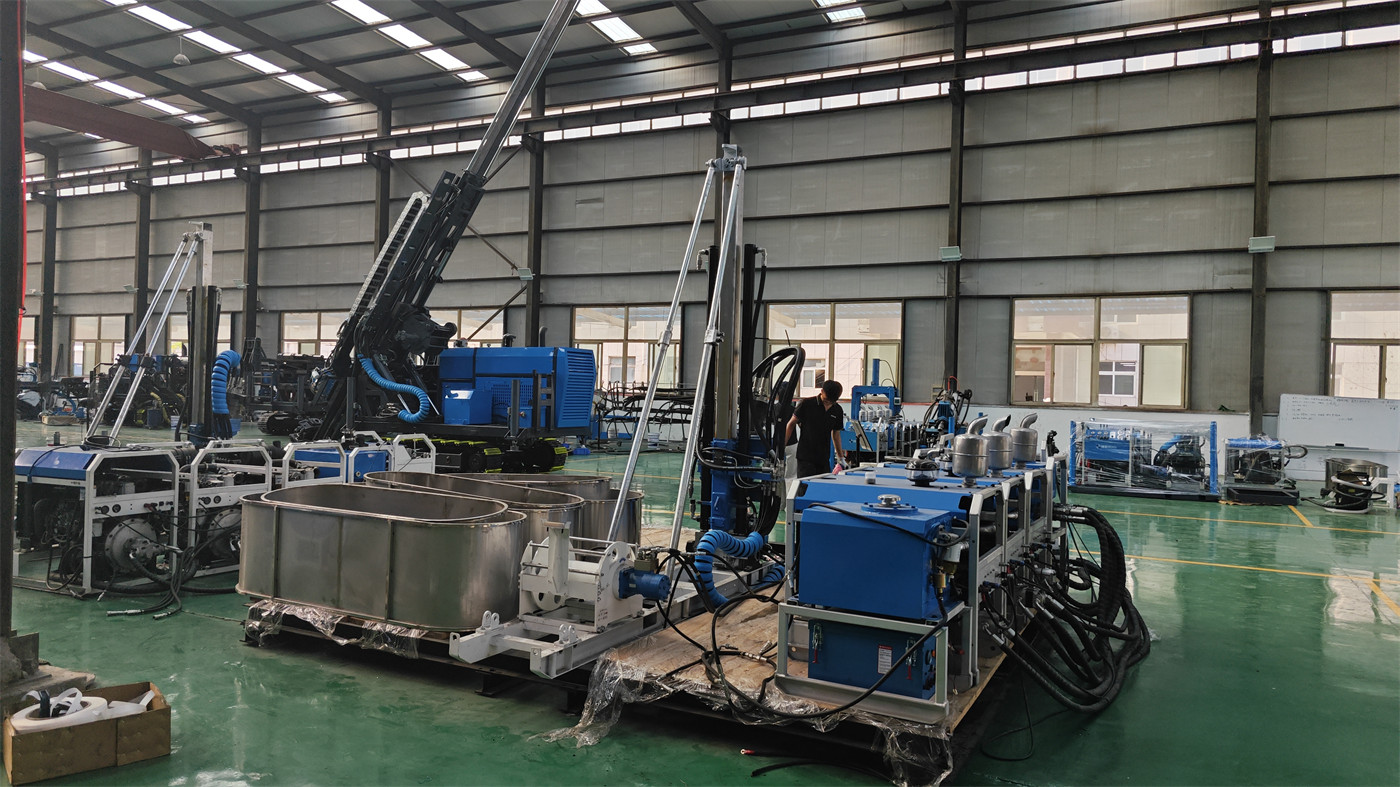
The CR1000P is designed not for ordinary shallow hole projects, but for deep exploration scenarios where 1000-meter class core sampling capability is required, yet large integrated rigs are difficult to access the drill site. The modular structure splits the main systems for transport and reassembles them on site, enabling deep core drilling in road-constrained high mountains, forests, and remote mining areas.
This model has a reference drilling depth of 1150 m for BQ, 1000 m for NQ, and 550 m for HQ. For projects where ore bodies have been discovered through shallow and medium-depth holes, and there is a need to further assess deep extension, mineralization continuity, and resource potential, the CR1000P can undertake deeper control tasks.
Deep gold deposits often require penetrating multiple wall rock sequences, fault zones, and alteration zones before reaching the target mineralized zone. Continuous core helps determine structural controls, ore body pinch-out and repetition, deep alteration changes, and whether high-grade sections persist, providing direct samples for subsequent resource estimation.
Porphyry copper, copper-gold, and polymetallic systems typically have large spatial extents. By drilling deep holes at various angles from 45° to 90°, multi-directional control of the target body can be achieved from limited mountain platforms. Core records can also be integrated with geophysical, geochemical, and 3D geological models to improve the reliability of deep interpretations.
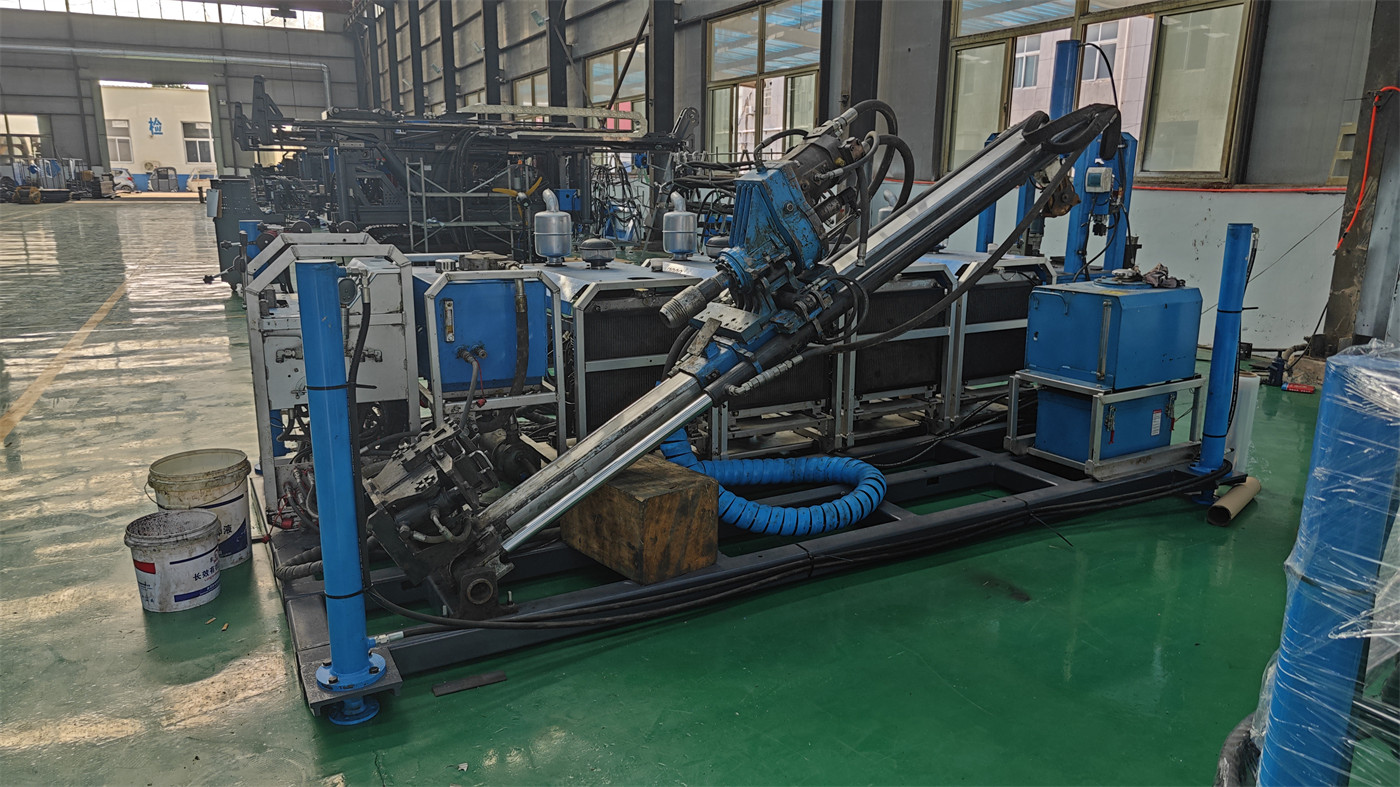
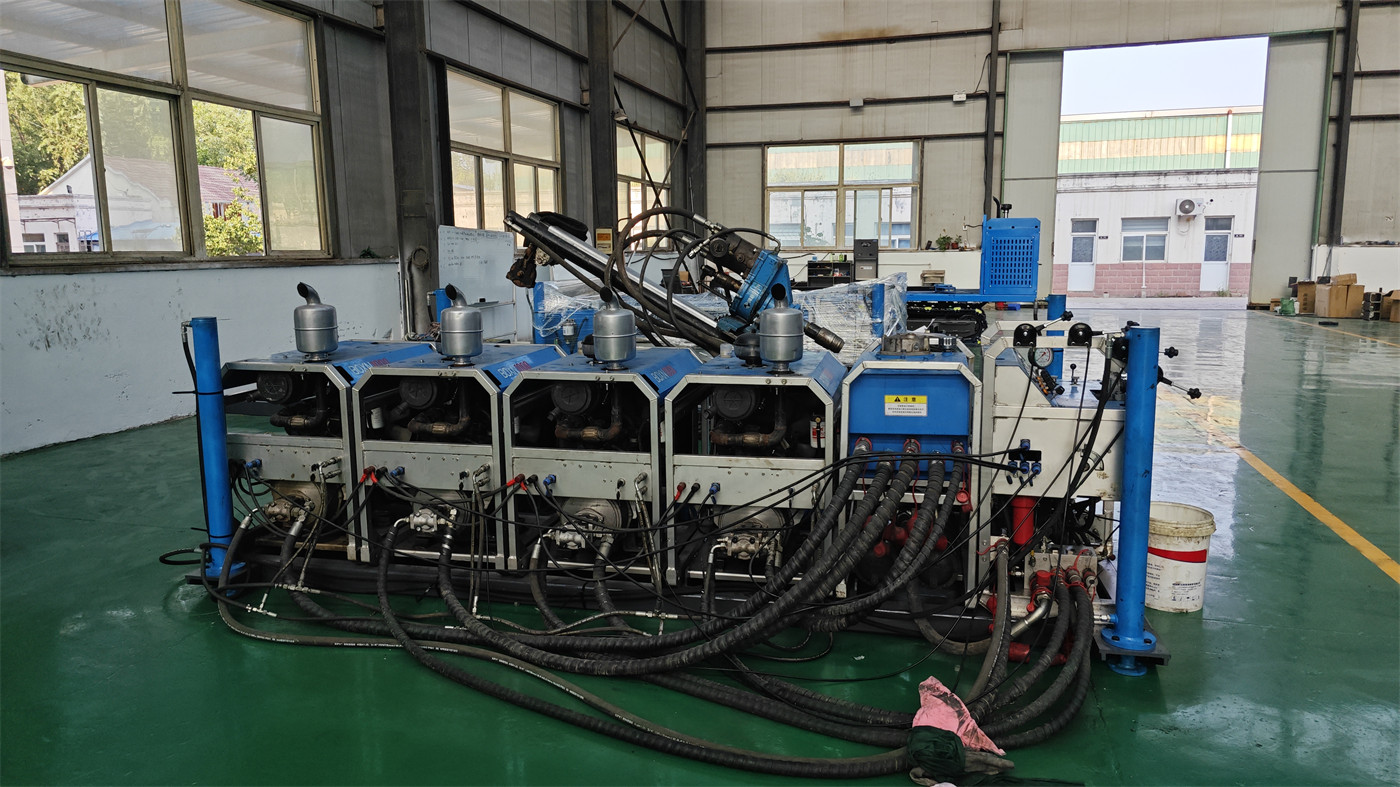
Deep drilling equipment and supporting materials are heavy and numerous. If large integrated rigs must be transported directly to the hole collar, road construction costs can be very high. The CR1000P's power, hydraulic, mud, and operating systems can be transported separately, allowing the equipment to reach the site via narrower routes. Before construction, manual, mechanical, or lifting plans should be arranged based on module weights.
The power head delivers a maximum torque of 1100 N·m and a maximum speed of 1250 rpm. As hole depth increases, the effects of drill rod weight, wall friction, and hole deviation become more pronounced. Operators should adjust weight on bit, rotation speed, and flushing fluid in response to changes in torque and tripping resistance to avoid sustained forced drilling under abnormal conditions.
The CR1000P provides 67 kN of thrust and 130 kN of lifting force. In deep drilling, sufficient lifting force enhances normal tripping and drill string handling capabilities, but the key to reducing downhole incidents remains controlling hole deviation, maintaining circulation, minimizing hole shrinkage, and promptly treating unstable sections.
The winch system uses 6 mm wire rope with a capacity of 1200 m, an empty drum lifting force of 14.5 kN, a full drum lifting force of 6.9 kN, and a hoisting speed of 116 m/min. For deep hole wireline coring, it is essential to regularly inspect wire rope fatigue, end fittings, and spooling to avoid anomalies during long-distance hoisting.
The hydraulic system's main pump delivers a flow rate of 200 L/min at 25 MPa, with a main oil tank capacity of 200 L. For long-cycle deep hole operations, hydraulic oil contamination, filter blockage, and system temperature rise can gradually affect operational stability. Therefore, a regular schedule for oil changes, filtration, and radiator cleaning should be established.
The mud pump delivers 100 L/min at 7 MPa. As hole depth increases, cuttings transport distances lengthen and circulation resistance rises. For deep lost circulation zones, water-bearing fractures, and fault zones, the mud system should be adjusted based on returns, pump pressure, and core condition, rather than relying solely on increasing pump pressure.
The diesel engine power requirement is ≥132 kW, and a 30 kW × 3 electric motor configuration is also available. Field projects far from the grid typically choose diesel power; mine platforms with stable power supply can evaluate electric options based on energy costs, maintenance resources, and environmental requirements.
The CR1000P is suitable for deep exploration of gold, copper, lithium, nickel, lead-zinc, and polymetallic deposits, as well as for peripheral prospecting, deep verification of key anomalies, structural investigations, and resource upgrade drilling. It emphasizes continuous core information and deep geological evidence rather than ordinary rapid hole formation.
In competent hard rock, maintain normal bit cutting; in highly weathered zones, prevent hole wall instability; in fault fracture zones, shorten runs and reduce mechanical impact; and in lost circulation and water-bearing sections, focus on flushing fluid management. Once in deep holes, any sustained changes in returns, torque, or tripping resistance should be recorded and analyzed promptly.
Before starting, prepare sufficient drill rods, core barrels, bits, wire rope, and mud materials; in mountainous areas, also plan fuel, power, water, and spare parts supply. After assembly, verify hydraulic connections, clamps, and power head status item by item. For remote projects, preventive maintenance is more important than waiting for spare parts after a breakdown.
Since actual geological conditions, downhole tools, hole angles, and operating methods vary, final drilling efficiency, depth, and core recovery results should be based on site conditions.
| Parameter | Value |
|---|---|
| Drilling Capacity | |
| BQ reference drilling depth | 1150 m |
| NQ reference drilling depth | 1000 m |
| HQ reference drilling depth | 550 m |
| Hole angle | 45°–90° |
| Applicable rod length | 1 / 1.5 m |
| Power System | |
| Power type | Diesel / Electric |
| Diesel engine power | ≥132 kW |
| Diesel engine brand | Kubota / Cummins / Yunnei / Yuchai (optional) |
| Electric motor configuration | 30 kW × 3 |
| Motor speed | 3000 / 1450 rpm |
| Hydraulic System | |
| Main pump flow | 200 L/min |
| Main pump pressure | 25 MPa |
| Auxiliary pump flow | 10 L/min |
| Auxiliary pump pressure | 17 MPa |
| Main oil tank capacity | 200 L |
| Control method | Manual direct control |
| Cooling method | Water / Air cooled |
| Feed System | |
| Feed stroke | 1.8 m |
| Thrust force | 67 kN |
| Lifting force | 130 kN |
| Hole angle | 45°–90° |
| Hoisting speed | 115 m/min |
| Applicable rod length | 1 / 1.5 m |
| Rotary Power Head | |
| Drive method | Gear hydraulic motor |
| Transmission method | Direct spindle drive |
| Maximum speed | 1250 rpm |
| Maximum torque | 1100 N·m |
| Maximum applicable rod diameter | 114 mm |
| Power head movement | Swing |
| Wireline Winch | |
| Rope capacity | 1200 m (6 mm wire rope) |
| Empty drum lifting force | 14.5 kN |
| Full drum lifting force | 6.9 kN |
| Hoisting speed | 116 m/min |
| Clamp | |
| Maximum clamping force | 130 kN |
| Through-hole capacity | 54–127 mm |
| Type | Hydraulic clamp |
| Mud Unit | |
| Mud pump | Plunger high-pressure pump |
| Drive method | Hydraulic drive |
| Mud flow rate | 100 L/min |
| Mud pressure | 7 MPa |
| Mud Mixer | |
| Drive method | Hydraulic drive |
| Mixer speed | 1500 rpm |
| Mixing capacity | 1.2 m³/min |
| Module Reference Weights | |
| Power unit | 180–260 kg |
| Operating unit | 145 kg |
| Hydraulic oil unit (with oil) | 160 kg |
| Mud unit | 95 kg |
| Total weight | 1640 kg |
We are a professional drilling equipment manufacturer specializing in the research and development, production and supply of water well drilling rigs, core drilling rigs, reverse circulation drilling rigs, down-the-hole drilling rigs, truck-mounted drilling rigs and mineral exploration equipment.
© 2026 Shandong Hengjianhang Construction Machinery Co., Ltd. All rights reserved.