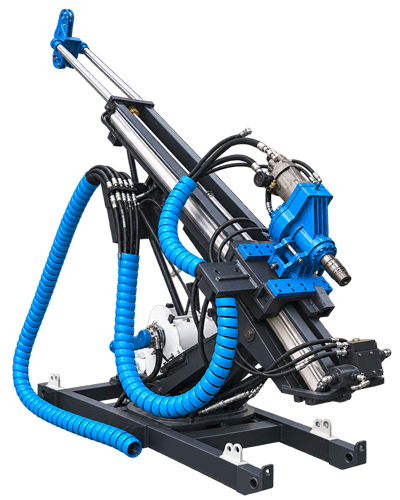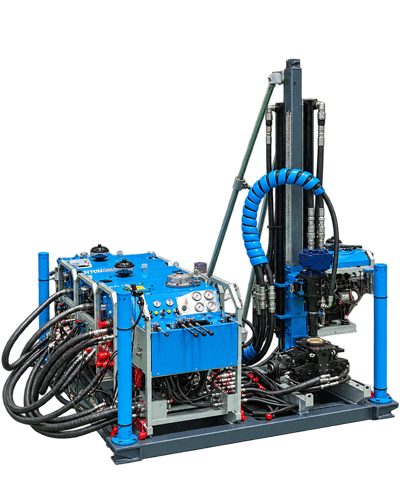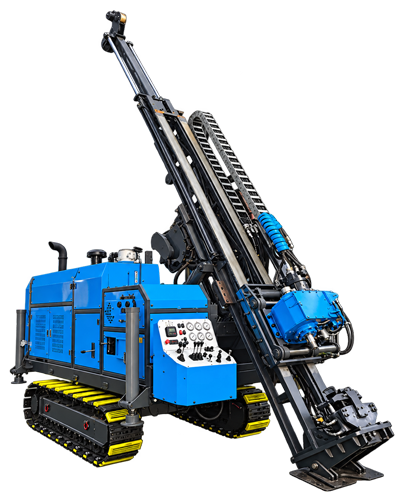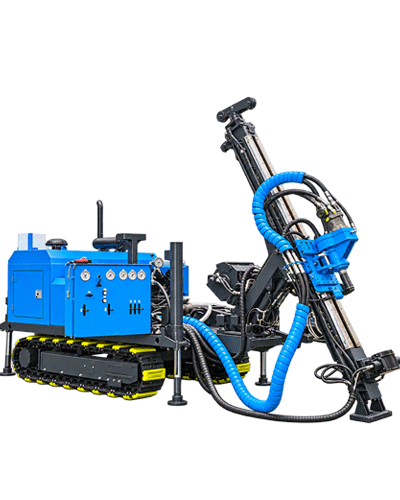
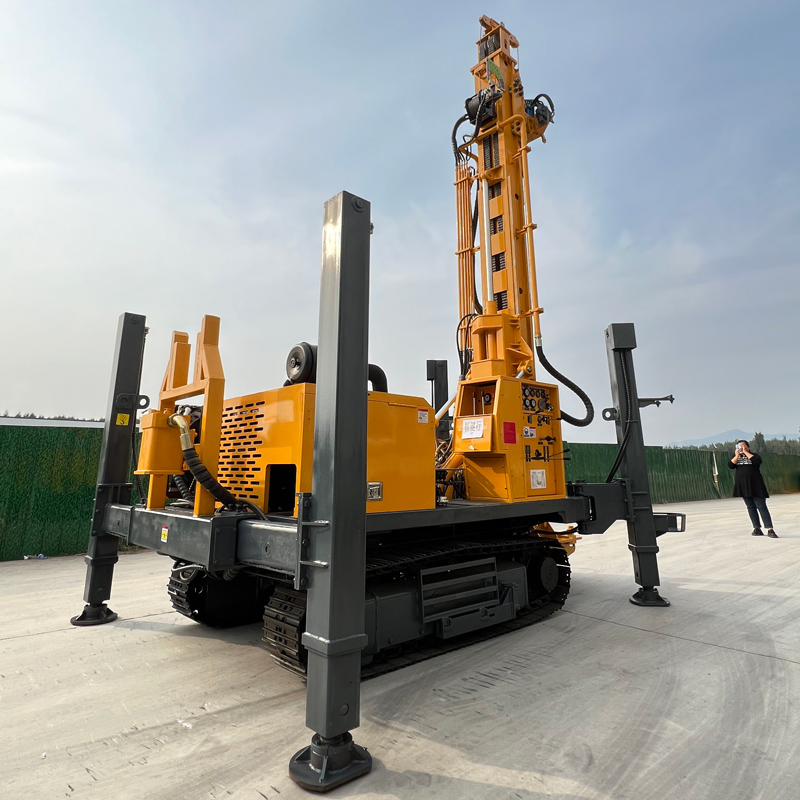
Reverse Circulation Drilling Rig
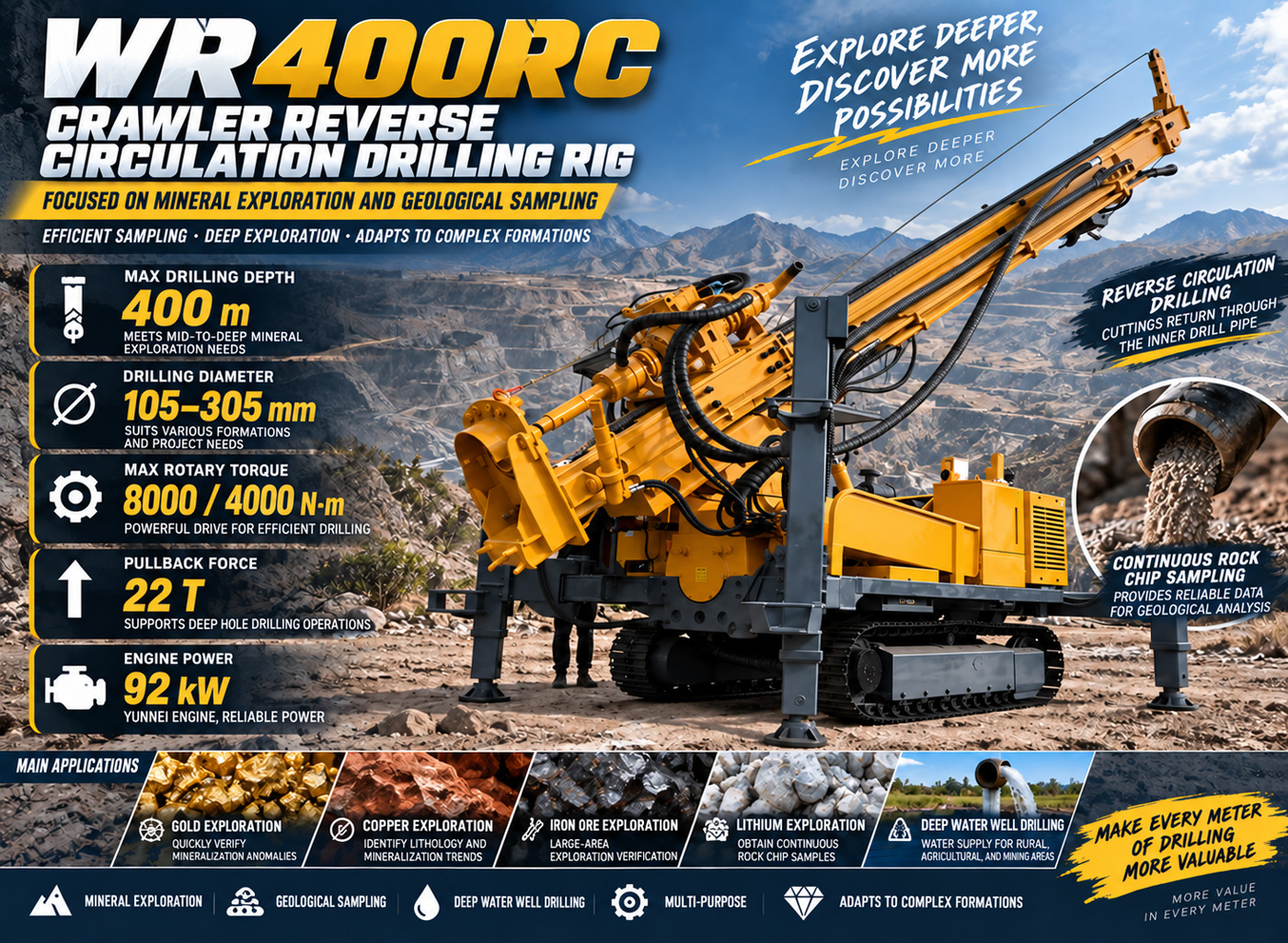
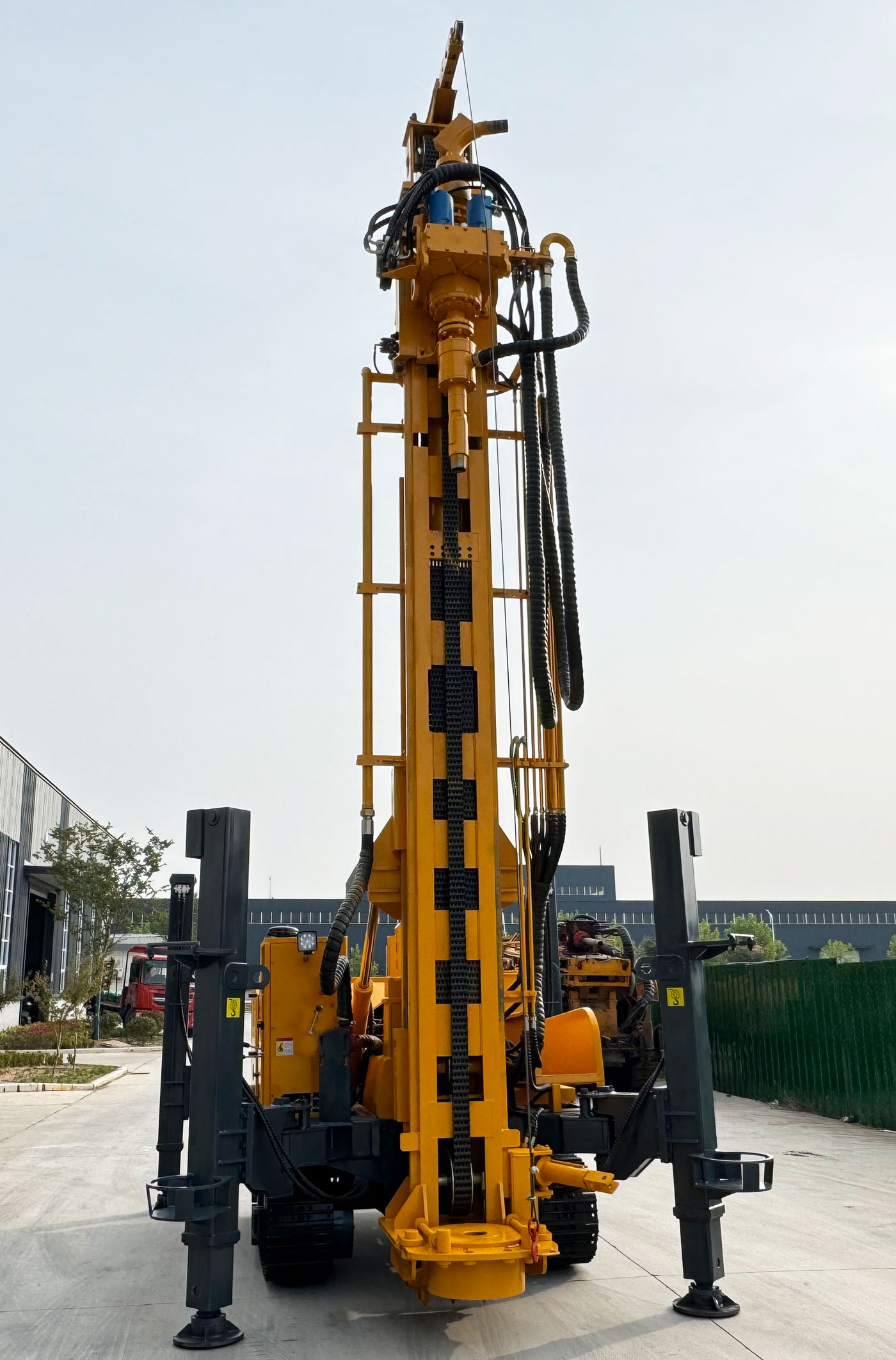
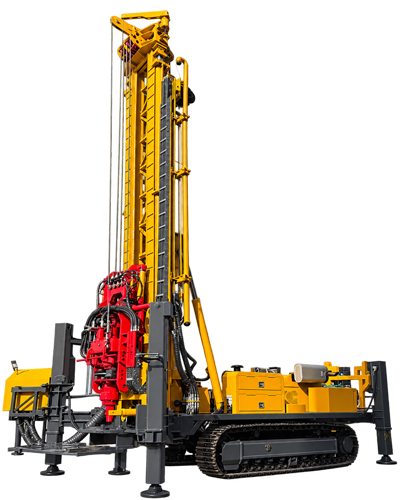
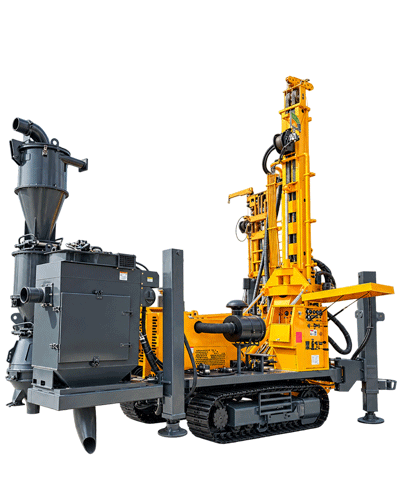
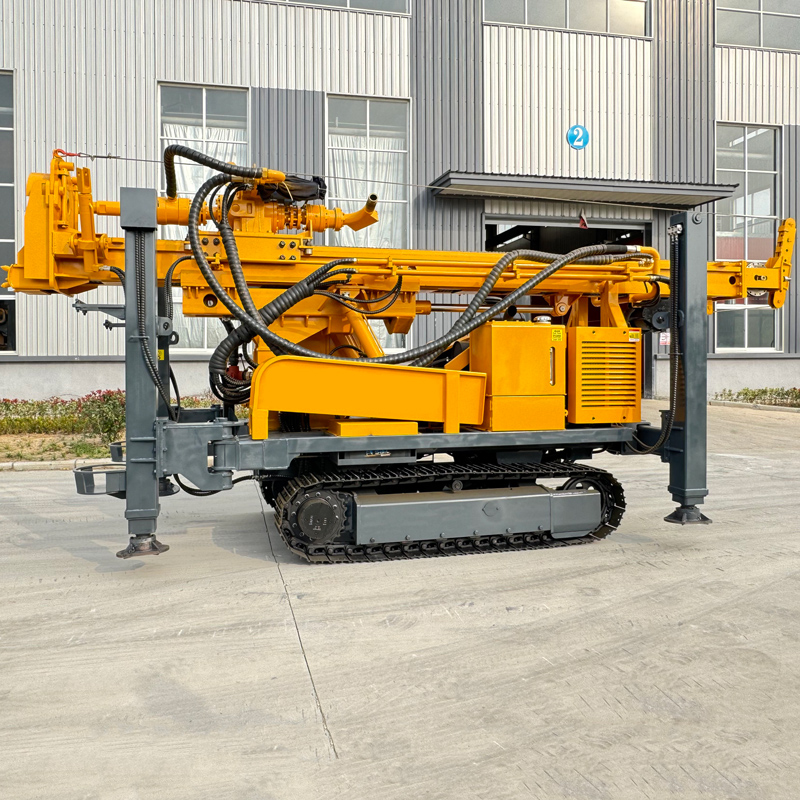
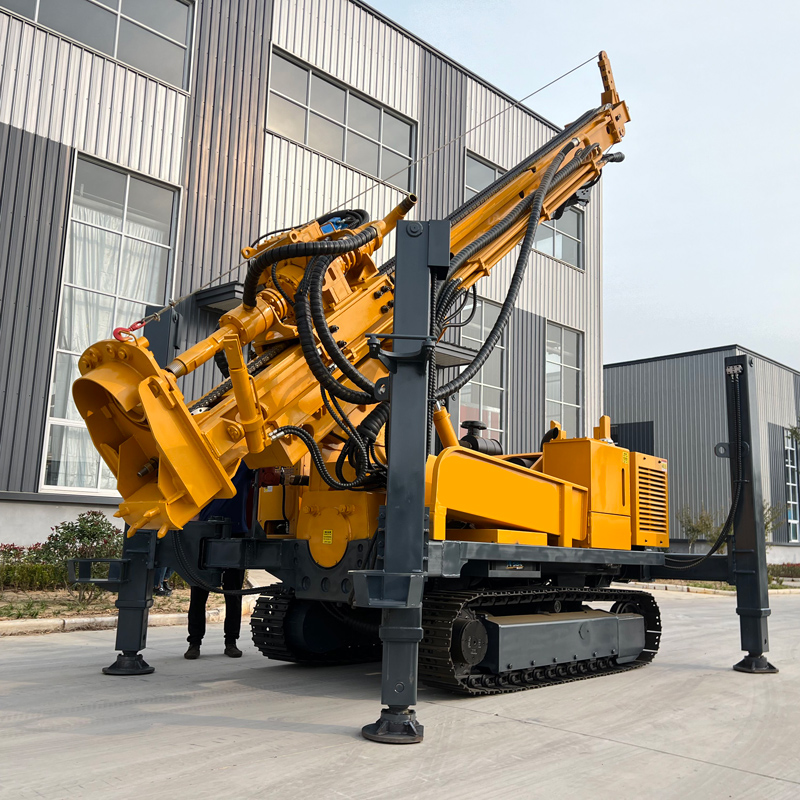
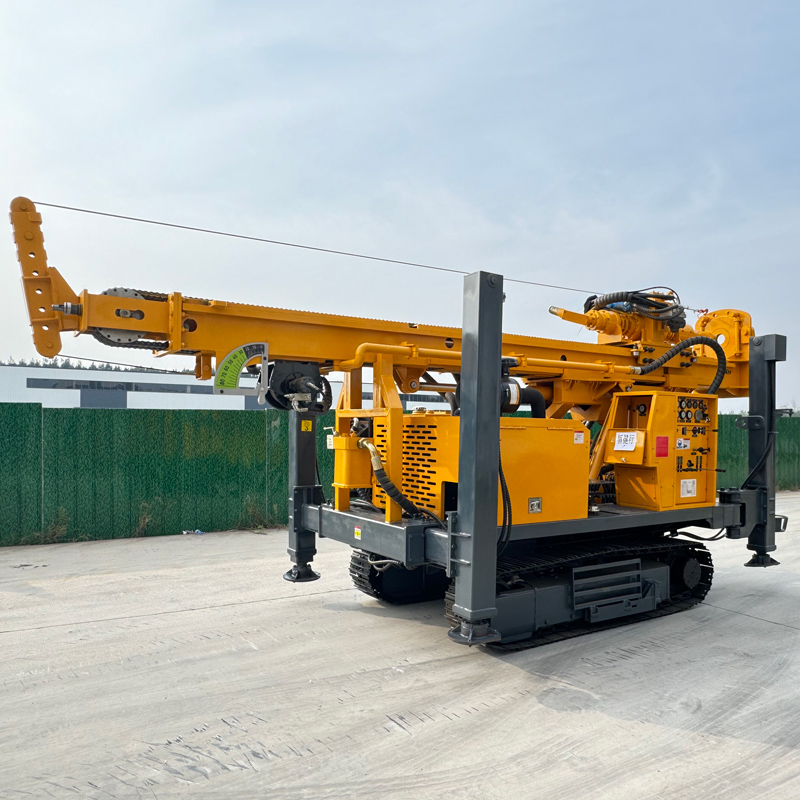
The WR400RC is a crawler reverse circulation drill rig designed for mineral exploration, geological sampling, and medium-to-deep water well drilling. Compared with ordinary water well rigs, it places greater emphasis on reverse circulation cuttings return and sampling capability; compared with core drilling rigs, it mainly obtains cuttings samples returned by depth rather than continuous intact cores. With a maximum drilling depth of 400 m and a drilling diameter of 105–305 mm, it is suitable for mine exploration teams, geological service companies, and drilling contractors that need to handle both exploration holes and water well projects.
Reverse circulation drilling usually establishes an independent return channel through dual-wall drill pipes. After compressed air drives the downhole drilling tool, cuttings quickly return to the surface through the inner tube. Compared with ordinary outer annulus discharge, this method helps shorten the mixing path of cuttings in the hole, making it easier to collect samples by depth intervals and providing a basis for on-site geological judgment and subsequent laboratory analysis.
The advantage of RC drilling is not obtaining intact cores, but quickly obtaining continuous cuttings samples. For gold, copper, iron, lithium, and other mineral exploration, samples can be collected at fixed footage intervals, recording changes in color, lithology, alteration, and mineralization, and sent to the laboratory for grade analysis. For projects that require a large number of holes to quickly verify anomalous zones, the reverse circulation method offers high on-site efficiency.
In gold projects, the WR400RC can be used for surface anomaly verification, mineralization investigation beneath overburden, orebody boundary control, and peripheral extension drilling. Compared with continuous coring, RC sampling emphasizes efficiency and sample quantity, making it suitable for quickly establishing more drill hole control points in large exploration areas, and then deciding which key areas require further core drilling based on the results.
Copper, iron, and lithium projects can also use reverse circulation samples to identify lithology, alteration, and mineralization trends. For areas with thick overburden or inconspicuous surface outcrops, obtaining cuttings at different depths through 400 m-class boreholes can help exploration personnel understand stratigraphic changes and potential mineralization locations, and provide a basis for the next stage of borehole layout.
The working angles given are 45° and 90°, allowing inclined holes or near-vertical holes to be drilled according to project needs. Vertical holes are suitable for groundwater, overburden investigation, and some mineral exploration, while 45° inclined holes can be used for inclined orebodies, structural zones, or specific target verification. Before formal construction, the hole direction and angle should be confirmed according to the geological design.
With a maximum drilling depth of 400 m and a drilling diameter of 105–305 mm, the WR400RC can handle both mineral exploration holes and medium-to-deep water well drilling. Actual drilling depth will be affected by hole diameter, drill pipe, air compressor capacity, formation conditions, hole deviation, and drilling tool wear, so 400 m should be understood as a reference capability under typical configurations.
Recommended RC drill pipe diameters are 89 / 102 mm, with a drill pipe length of 3 m. RC drill pipes differ structurally from ordinary single-wall drill pipes and require reliable sealing and connection of the inner and outer channels. During construction, the dual-wall drill pipe joints, seals, and inner tube wear should be checked regularly to avoid air leakage and sample contamination affecting sampling quality.
The WR400RC has a lifting force of 22 T and an axial pressure of 6 T. The strong lifting capacity can be used for tripping drill pipes, recovering drilling tools, and some casing operations. If pulling resistance suddenly increases during reverse circulation drilling, first determine whether there are falling blocks, hole shrinkage, sticking, or poor cuttings discharge, then take measures to clean the hole and pull slowly.
The rotary system has a maximum torque of 8000 / 4000 N·m, corresponding to maximum speeds of 75 / 150 r/min. The higher torque condition is suitable for large-diameter and high-load drilling, while the higher speed is suitable for hole sections with lower resistance. During reverse circulation construction, bit cutting, downhole impact, and cuttings return should be considered together, and speed or torque should not be pursued in isolation.
Recommended working air pressure is 1.2–3.5 MPa, with air consumption of 16–55 m³/min. RC drilling has relatively high requirements for both air compressor pressure and displacement. Especially when hole depth increases, hole diameter increases, or rock formations are hard, insufficient air volume will reduce cuttings return speed and may affect sampling continuity and hole bottom cleanliness.
Reverse circulation sampling requires not only "fast drilling" but also continuous sample return by depth. During construction, observe the returned sample volume, particle size, dust changes, and whether there is obvious sample cross-contamination. Each time a rod is added, the hole is cleaned, or drilling is restarted for sampling, the transition section should be handled according to on-site sampling procedures to avoid mixing samples from different depths.
When used for mineral exploration, samples should be numbered, weighed, and sealed according to fixed depth intervals, and the hole number, depth, time, and abnormal conditions should be recorded. The sampling system, cyclone, or sample splitter also needs regular cleaning. The WR400RC provides a drilling platform; the final sample quality also depends on on-site sampling procedures and personnel operations.
Although the WR400RC has obvious mineral exploration attributes, the data also lists deep water wells as one of its main applications. For rural water supply, farmland irrigation, industrial water, and mining area groundwater development, DTH hammers, mud drilling, or other suitable methods can be selected according to formation and well completion requirements. Water well construction does not necessarily require the RC sampling system throughout the entire process.
Mining projects may require both exploration holes and water wells for domestic use, dust suppression, and auxiliary production. The WR400RC supports multiple drilling methods and can adjust its configuration according to the target of different holes within one project, improving equipment utilization. Exploration holes focus more on sample quality, while water wells focus more on hole stability, well diameter, and water-producing layers.
Soil, clay, sand, and gravel layers are prone to collapse and may not be suitable for direct pneumatic RC drilling. The data indicates that this model supports mud drilling, so in the upper loose formations, mud circulation and casing can be selected according to hole wall conditions, and then switched to pneumatic or reverse circulation processes after entering stable rock.
The equipment can be equipped with medium- and high-pressure DTH hammers for weathered rock, fractured rock, and relatively intact hard rock. For hard rock conditions, attention should be paid to air compressor displacement, DTH hammer lubrication, bit wear, and cuttings return status. If sample return volume decreases, check for air leakage, drill pipe sealing, and accumulated cuttings at the hole bottom in a timely manner.
Fault fracture zones are prone to falling blocks and local hole enlargement. Cuttings may remain in the hole and then return in concentrated bursts, causing poor depth correspondence of samples. During construction, control the penetration rate, maintain stable air supply, and keep records in abnormal hole sections. If sampling accuracy requirements are high, increase on-site geological personnel monitoring of return sample changes.
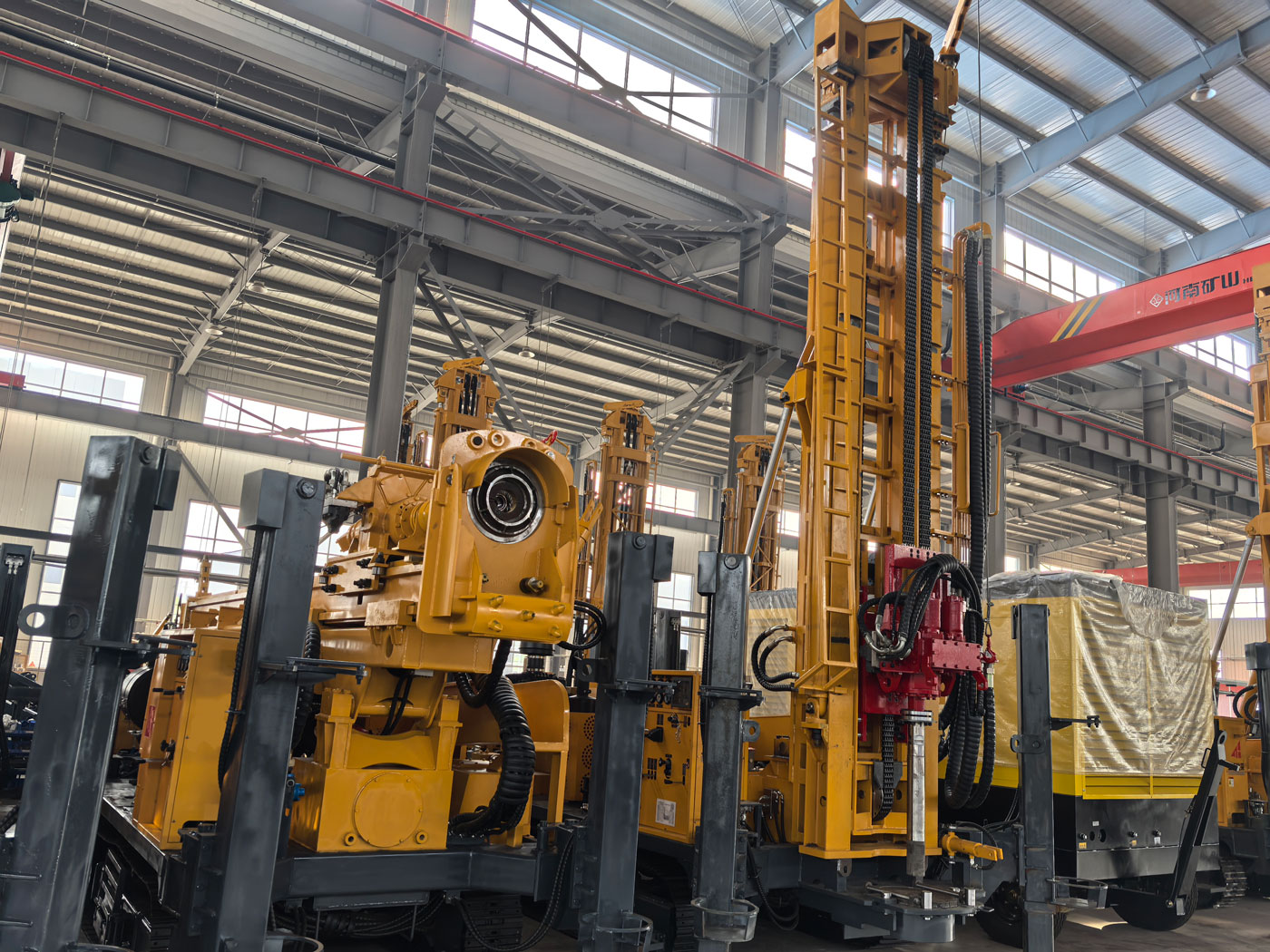
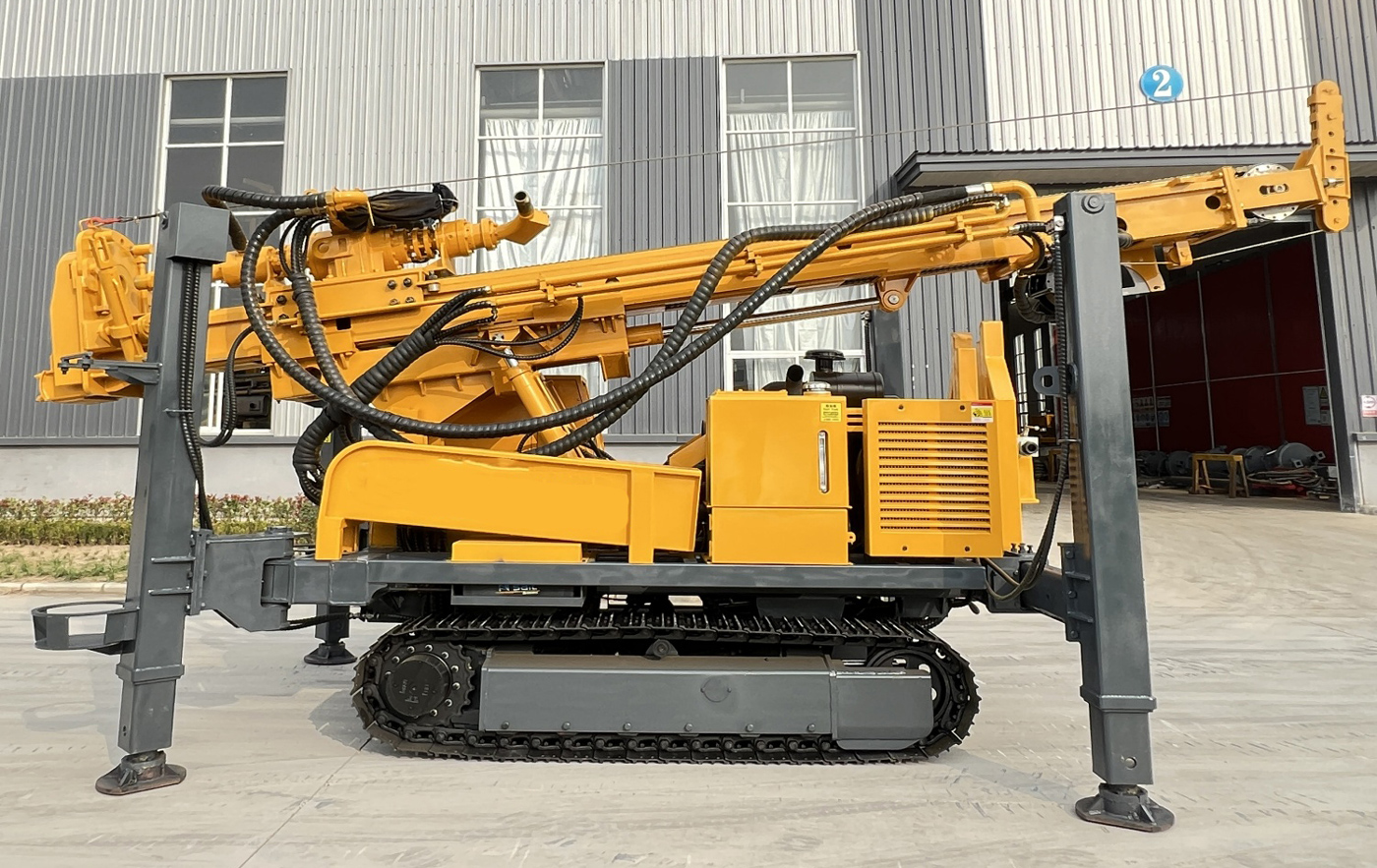
The WR400RC has a travel speed of about 2.5 km/h, a maximum climbing angle of 21° for reference, and an overall weight of about 11 T. The crawler chassis is suitable for gravel roads in mining areas, field construction platforms, and generally uneven ground. Due to the relatively heavy overall weight, ground bearing capacity, slope, and transportation routes should be confirmed before relocation.
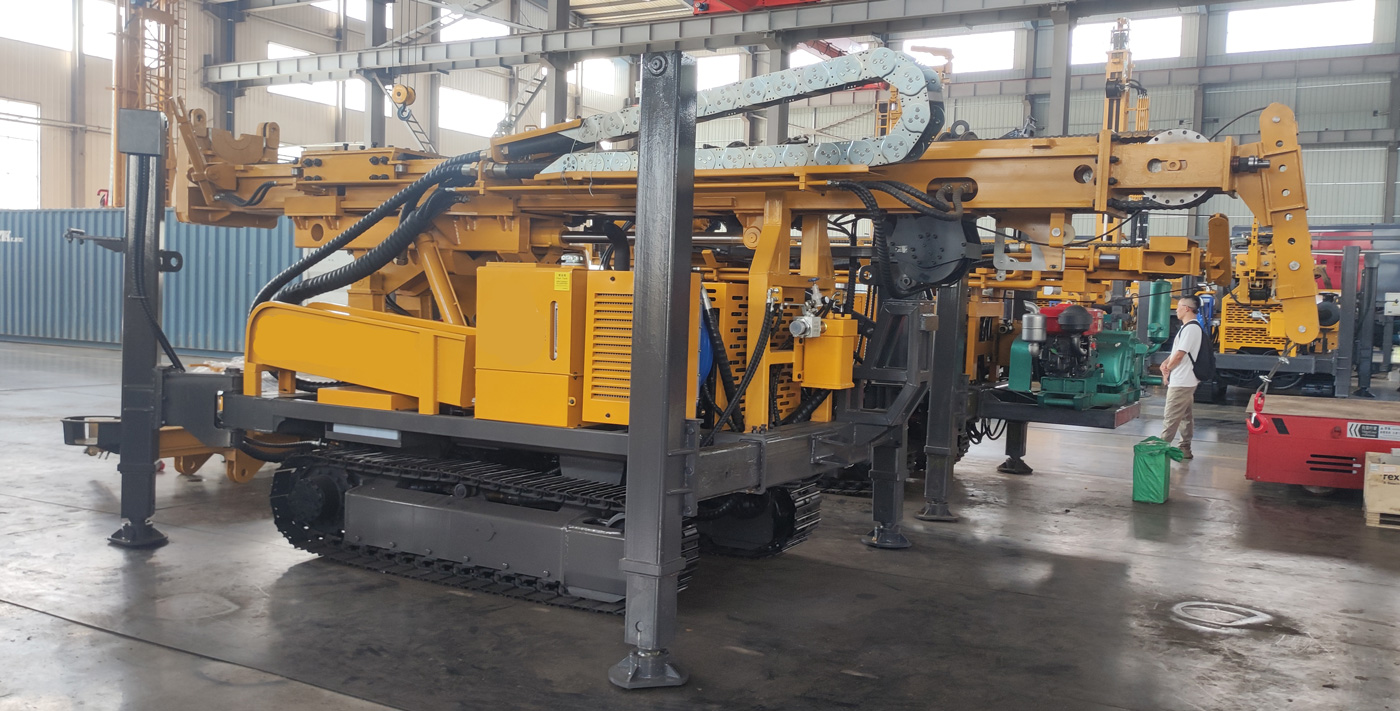
The equipment uses a 92 kW Yuchai engine to provide power for rotation, feed, crawler travel, and auxiliary hydraulic systems. Reverse circulation projects are usually equipped with air compressors, sampling, and sample splitting equipment at the same time, so fuel, equipment layout, and construction access should be planned in advance on site to avoid interference between systems.
The hydraulic outrigger stroke is 1.6 m, which can be used for equipment leveling and drilling support. Especially in 45° inclined hole construction, equipment stability directly affects hole direction control and operational safety. Additional pads should be added on soft ground to avoid outrigger sinking during long-term high-load drilling.
The small auxiliary winch has a lifting force of 1.5 T and can be used to handle RC drill pipes, DTH hammers, sampling accessories, and other on-site tools. When using the winch, follow rated load requirements and prevent personnel from entering below suspended objects or in the direction of wire rope force.
The overall weight is about 11 T, and the dimensions are about 7 × 1.85 × 2.86 m. At a mineral exploration site, in addition to the drill rig itself, air compressors, cyclones, sample splitters, sample bags, and vehicles may also be placed at the same time. Therefore, the hole platform area should be planned in advance to ensure personnel access and safe distances for equipment.
The equipment can be configured with a mud pump, centrifugal pump, generator, and foam pump according to the project. Projects with more loose layers rely more on the mud system; formations with severe air leakage may consider foam assistance; remote mining areas may require independent power generation equipment. The specific configuration should be determined around the main drilling method and on-site infrastructure conditions.
During mineral exploration, focus on checking RC drill pipe seals, sample return lines, and sampling equipment to ensure continuous samples and accurate numbering; during water well construction, focus on the hole wall, casing, and aquifer. Regardless of the application, the engine, hydraulic system, high-pressure air hose, rotary head, outriggers, and drill pipe connection status should be checked daily.
Due to differences in actual geological conditions, downhole tools, drilling angles, and operating methods, the final drilling efficiency, drilling depth, sample recovery, and well completion results should be based on on-site working conditions.
| Parameter Item | Parameter Value |
|---|---|
| Basic Parameters | |
| Product Model | WR400RC |
| Equipment Type | Crawler Heavy-Duty Reverse Circulation Drill Rig |
| Maximum Drilling Depth | 400 m |
| Drilling Diameter | 105–305 mm |
| Working Angle | 45° / 90° |
| Applicable Formation | Loose formations and rock formations |
| Drill Pipe and Drilling System | |
| Drill Pipe Length | 3 m |
| Recommended RC Drill Pipe Diameter | 89 / 102 mm |
| Axial Pressure | 6 T |
| Lifting Force | 22 T |
| Fast Lifting Speed | 20 m/min |
| Fast Feed Speed | 32 m/min |
| Rotary System | |
| Maximum Rotary Torque | 8000 / 4000 N·m |
| Maximum Rotary Speed | 75 / 150 r/min |
| Pneumatic System Matching | |
| Recommended Working Air Pressure | 1.2–3.5 MPa |
| Recommended Air Consumption | 16–55 m³/min |
| Matched DTH Hammer | Medium and high pressure series |
| Power System | |
| Engine Brand | Yuchai |
| Engine Power | 92 kW |
| Auxiliary System | |
| Small Auxiliary Winch Lifting Force | 1.5 T |
| Hydraulic Outrigger Stroke | 1.6 m |
| Travel and Overall Parameters | |
| Travel Speed | 2.5 km/h |
| Maximum Climbing Angle | 21° |
| Overall Weight | 11 T |
| Dimensions | 7 × 1.85 × 2.86 m |
| Drilling Methods | |
| Reverse Circulation Drilling | Suitable for mineral exploration, geological sampling, and continuous cuttings return |
| Top Drive Hydraulic Rotary / DTH Drilling | Suitable for rock formations, water wells, and conventional medium-deep hole construction |
| Mud Drilling | Suitable for soil, sand, and other loose formations |
| Optional Accessories | |
| Mud Pump | Optional |
| Centrifugal Pump | Optional |
| Generator | Optional |
| Foam Pump | Optional |
| Typical Applications | |
| Mineral Exploration | Gold, copper, iron, lithium, and other mineral anomaly verification |
| Geological Sampling | Collecting reverse circulation cuttings samples by depth intervals |
| Mining Area Investigation | Investigation of orebody boundaries, overburden, surrounding rock, and structural changes |
| Deep Water Well Construction | Rural, agricultural, industrial, and mining area groundwater development |
| Groundwater Investigation | Medium-to-deep groundwater verification and general hydrogeological drilling |
We are a professional drilling equipment manufacturer specializing in the research and development, production and supply of water well drilling rigs, core drilling rigs, reverse circulation drilling rigs, down-the-hole drilling rigs, truck-mounted drilling rigs and mineral exploration equipment.
© 2026 Shandong Hengjianhang Construction Machinery Co., Ltd. All rights reserved.