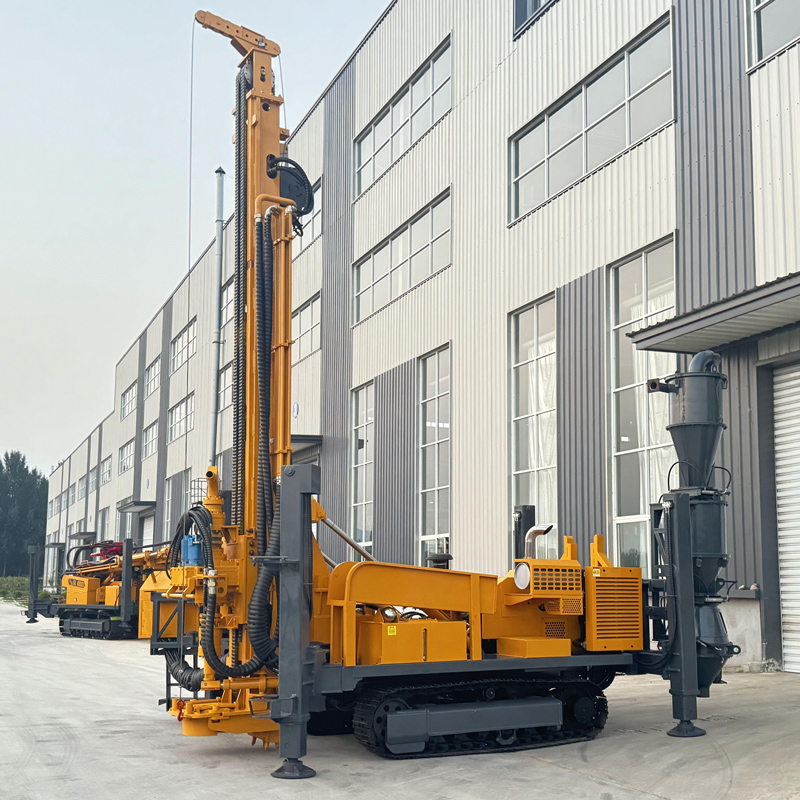
Reverse Circulation Drilling Rig
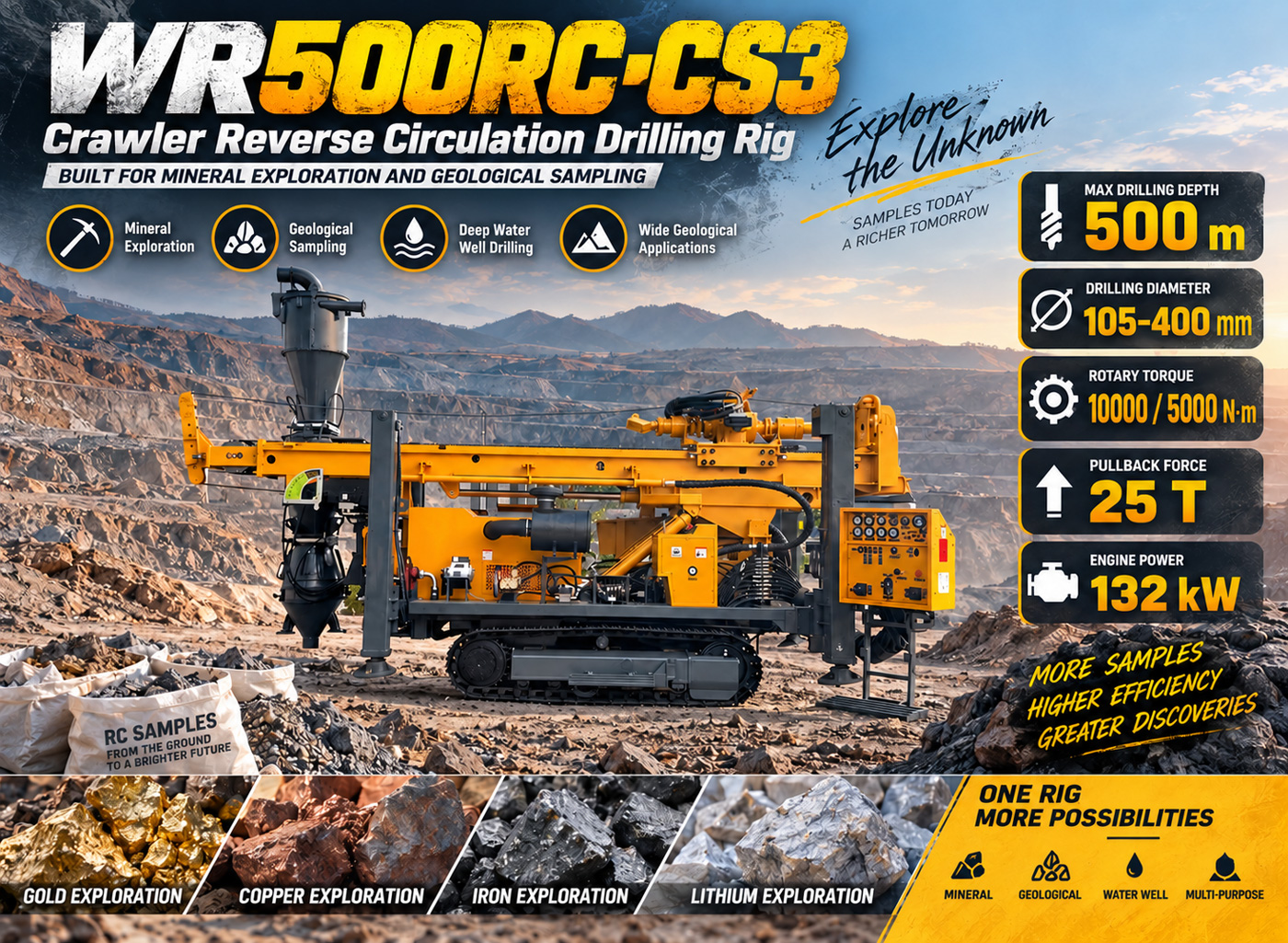
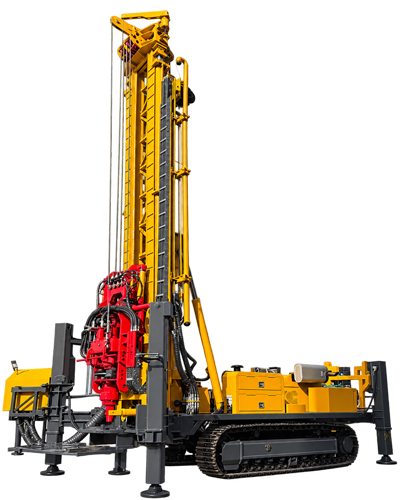
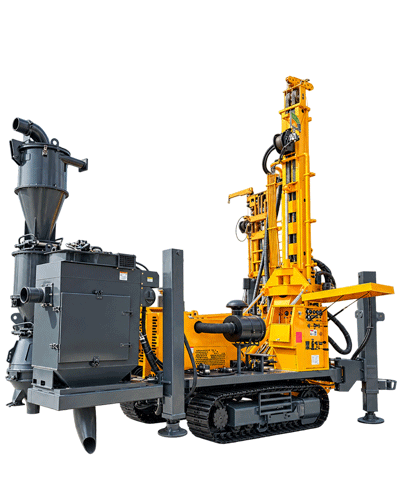
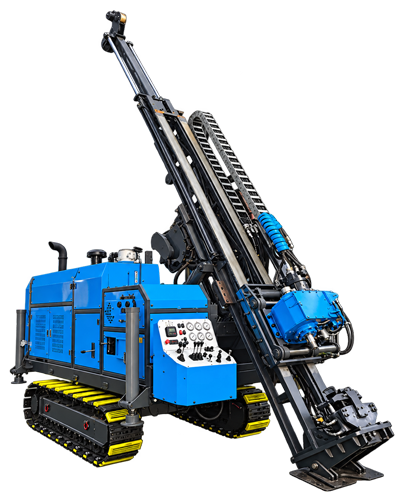
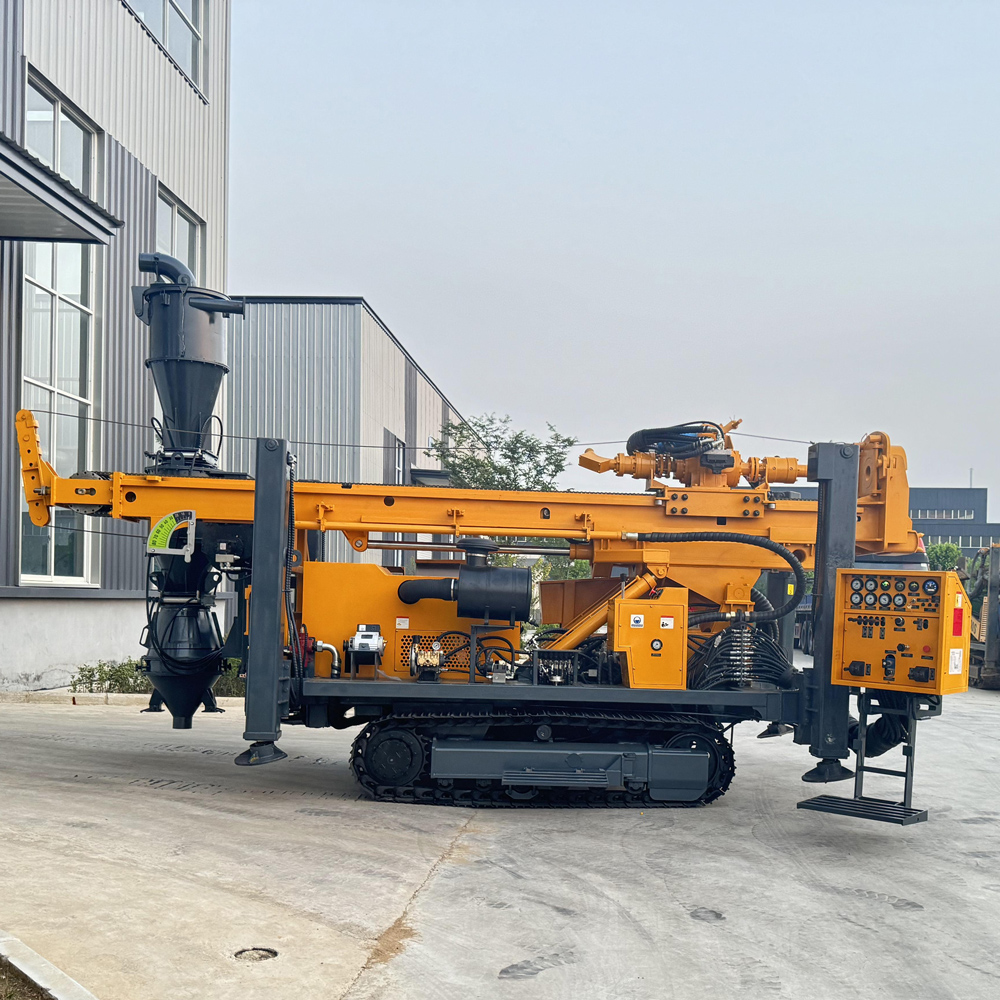
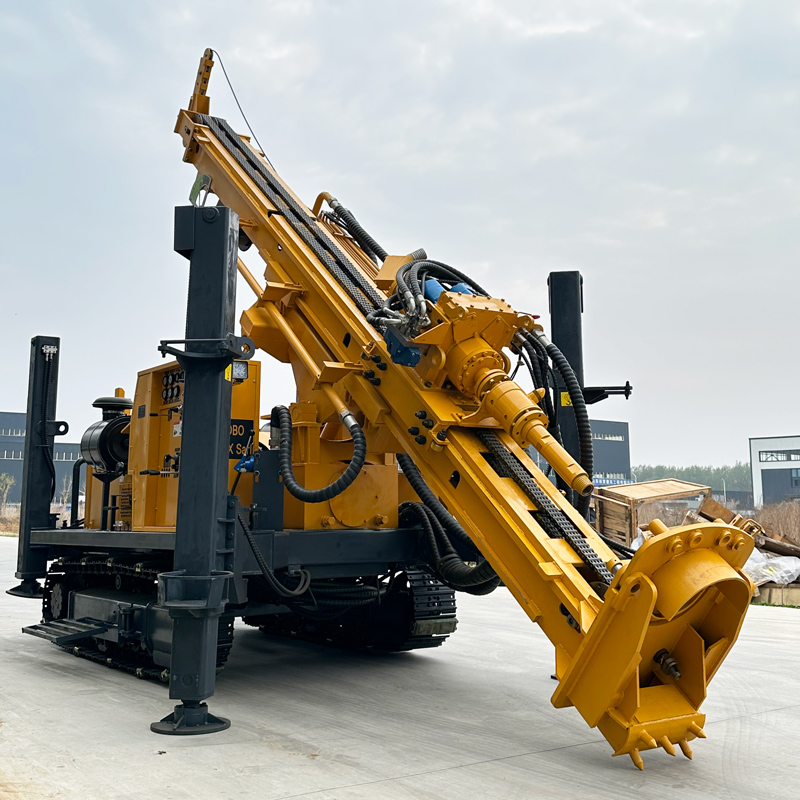
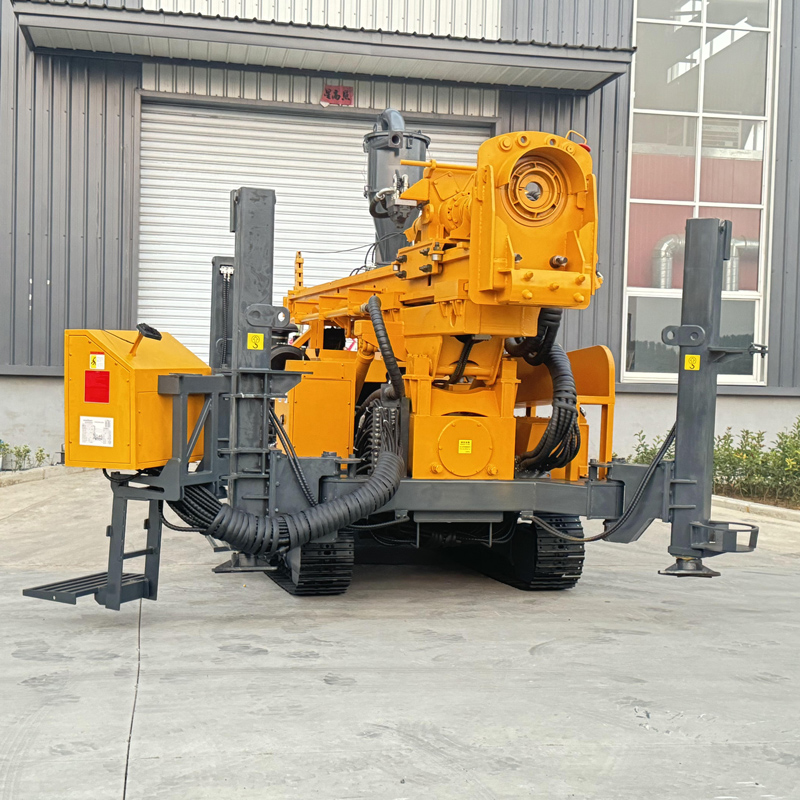
The WR500RC-CS3 is a 500 m class crawler reverse circulation drill rig designed primarily for mineral exploration and rapid on-site sampling. Compared with ordinary RC drill rigs, its biggest difference is the integrated three-in-one cyclone sampling system, which concentrates cuttings return, cyclone separation, sample splitting and sample collection into a single workflow, reducing repetitive operations in ground transfer and manual sample splitting. It is better suited to continuous exploration holes and large-volume sample collection tasks.
The CS3 system integrates cyclone separation, representative sample splitting and sample collection in one unit. Cuttings produced during drilling return to the surface through the inner tube of the dual-wall RC drill pipe and enter the cyclone system directly, where high-speed airflow is separated from solid particles. The sample is then passed through the splitting mechanism to produce samples suitable for geological logging and assay. For mineral exploration projects that require strict depth-based sampling, this integrated process reduces intermediate steps.
Reverse circulation drilling relies on dual-wall drill pipe to establish an independent sample return channel. Cuttings mainly return through the inside of the drill pipe rather than up the annulus along the outside of the pipe. This shortens the path along which samples contact other formations on the hole wall and helps reduce the probability of cuttings from different depths mixing with each other. The final sample representativeness still depends on hole cleaning, pipe connection, return stability and on-site sampling management.
The WR500RC-CS3 is suitable for continuous sampling at fixed footage intervals. Each sample bag can be marked with the hole number, start and end depth, date and sample number, facilitating subsequent submission, archiving and traceability. For exploration teams that need to process large numbers of samples in a single day, the three-in-one system can reduce manual sample pouring, secondary splitting and repeated handling, improving on-site organization efficiency.
Gold reconnaissance and peripheral prospecting stages often require many drill holes to verify surface anomalies, mineralization beneath cover and the extension of structural belts. The WR500RC-CS3 can quickly obtain depth-segmented cuttings samples for observing color, alteration, sulfides and mineralization changes, and then use laboratory assays to screen key target areas. For high-value anomaly areas, core drilling can be further used to obtain complete cores.
Copper, iron, lithium and other mineral projects can also use RC samples to quickly judge stratigraphy and mineralization trends. The 500 m class drilling depth can cover a larger vertical range, especially in areas with thick cover or deeply buried ore bodies. For large exploration areas, using RC drilling first to establish more control points and then carrying out detailed coring in key areas is a common combined approach.
With a maximum drilling depth of 500 m and a hole diameter of 105–400 mm, the WR500RC-CS3 can handle both medium-deep mineral exploration holes and deep water wells and general groundwater projects. Different applications have different requirements for drilling tools and construction methods: exploration holes focus more on sample return quality and sample splitting management, while water wells focus more on hole wall stability, well completion structure and producing zones.
The machine supports 45° and 90° working angles. For inclined ore bodies, veins and fault zones, 45° inclined holes can improve the crossing angle through the ore; for general water wells, overburden investigation and conventional vertical exploration, 90° construction can be used. Before formal spudding, the drilling angle should be determined based on the geological section, ore body attitude and hole location conditions.
The lifting force is 25 T and the feed force is 7 T. At 500 m class hole depths, the self-weight of the drill pipe and hole wall friction are higher than those of 400 m models. Greater lifting capacity helps with normal tripping, RC drill pipe handling and some casing operations. If abnormal pulling resistance occurs, it should first be handled through hole cleaning and process judgment; it is not recommended to rely directly on maximum lifting force to pull the tools forcibly.
The maximum rotary torque is 10000 / 5000 N·m, corresponding to maximum rotary speeds of 75 / 150 r/min. The high-torque condition is more suitable for larger hole diameters and high-load drilling, while the higher-speed condition is suitable for hole sections with lower resistance. During RC drilling, attention should be paid simultaneously to rotary load, DTH hammer impact and sample return status to ensure stable drilling and sample recovery.
The recommended working air pressure given in the data is 1.6–6 MPa, and the recommended air consumption is 16–55 m³/min. For 500 m class RC drilling, the air compressor must not only drive the DTH hammer but also carry cuttings back to the surface at high speed through the inner tube, so both pressure and displacement are critical. Actual selection should be based on hole diameter, RC hammer specifications, altitude and rock hardness.
During reverse circulation sampling, geologists should continuously observe sample return volume, particle size, color, moisture and signs of cross-contamination. If drilling resumes after pipe connection, hole cleaning or a stop, transition samples should be handled according to on-site sampling procedures to avoid mixing residual cuttings from the previous hole section into samples from the next depth.
The three-in-one sampling system can improve sample splitting efficiency, but sample management still needs to be standardized. Each sample bag should clearly indicate the hole number, sample number, start and end depth and date, and on-site records should correspond one-to-one with sample bags. For ore samples requiring laboratory analysis, duplicate samples, blank samples and standard samples should also be set according to project quality control requirements.
The machine has a travel speed of about 2.5 km/h and a maximum gradeability reference of 21°, making it suitable for gravel roads in mining areas, field exploration sites and generally uneven ground. Since the overall weight is about 12 T, road load-bearing capacity, platform area and slope safety should be confirmed before moving between hole locations. It should not be judged directly according to the passage conditions of small crawler equipment.
The WR500RC-CS3 is equipped with a 132 kW Cummins engine to provide power for rotation, feed, crawler travel and auxiliary hydraulic actions. Reverse circulation project sites usually also need to configure large air compressors and sampling equipment at the same time, so fuel supply, equipment layout and maintenance space should be planned in advance to avoid congested construction access.
In fault fracture zones, breccia and formations with developed fissures, wall collapse blocks may remain temporarily in the hole and then return in a concentrated manner, affecting the correspondence between samples and depth. Operators should control the penetration rate and maintain stable air supply, while geologists should increase on-site records in abnormal hole sections and, if necessary, separately note sample quality conditions.
Upper soil layers, clay, sand and gravel layers are not necessarily suitable for direct RC pneumatic drilling. The data show that this model also supports mud rotary drilling, so the upper hole section can first be stabilized using mud, casing and other methods, and then switched to reverse circulation or DTH processes after entering rock, improving hole stability.
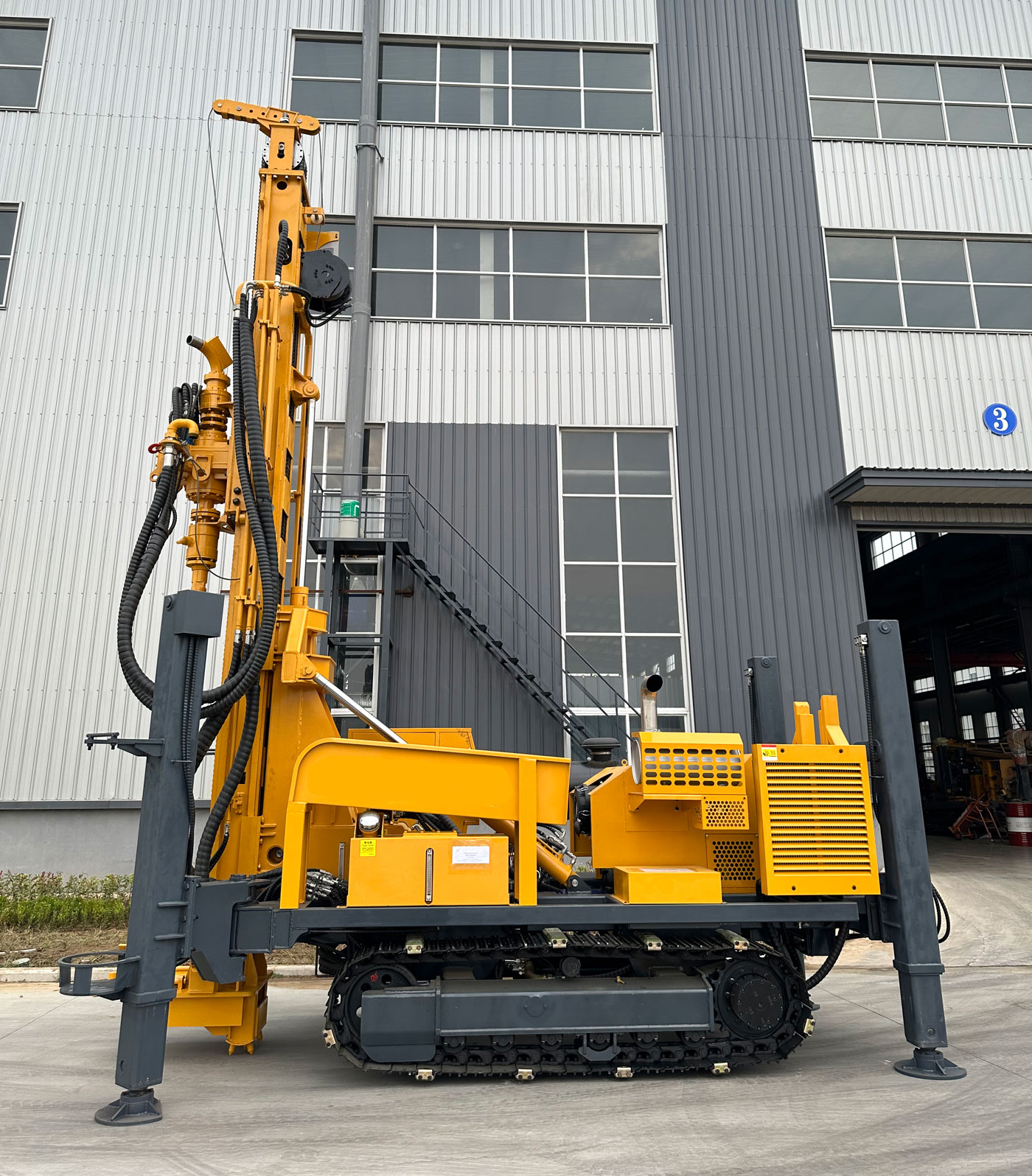
In addition to mineral exploration, the WR500RC-CS3 can also be used, depending on configuration, for agricultural irrigation, industrial water supply, mining area water supply and groundwater development. Water well projects do not necessarily need to activate the complete three-in-one sampling system; the drilling method and supporting equipment should be selected according to the well completion purpose to avoid adding unnecessary on-site processes.
The small auxiliary winch has a lifting force of 1.5 T and can be used to handle RC hammers, drill pipes, sampling hoses and other auxiliary tools. Sample bags and operating areas are usually also required near the three-in-one cyclone sampling system, and lifting operations should prevent suspended objects from entering the working range of sampling personnel.
The hydraulic outriggers have a stroke of 1.6 m, helping to level the machine and provide stable support. Especially during 45° inclined holes and high-torque RC drilling, the force direction on the machine is more complex, and the outriggers and ground bearing conditions directly affect overall machine stability and hole direction control.
The overall weight is about 12 T and the overall dimensions are about 7 × 2.1 × 2.9 m. In addition to the drill rig, RC projects often require air compressors, cyclones, sample splitters, sample bags and transport vehicles, so the drilling platform area and equipment layout should be designed in advance to ensure smooth sample return pipelines and safe personnel access.
Depending on the formation and drilling method, a mud pump, centrifugal pump, generator and foam pump can be optionally configured. Projects with more loose layers place greater emphasis on the mud system, hard rock and RC projects rely more on air compressors and pneumatic drilling tools, and formations with severe air leakage may require foam assistance. The supporting equipment should be combined around the main project requirements.
Before starting work each day, check the dual-wall RC drill pipe seals, sample return pipelines, cyclone, sample splitter, sample bags, engine, hydraulic system and high-pressure air hoses; during construction, keep sample return continuous and accurately record depth; after completion, promptly clean residual cuttings from the sampling system to prevent contamination in the next drill hole or next sample interval.
Due to differences in actual geological conditions, downhole tools, drilling angles and operating methods, the final drilling efficiency, drilling depth, sample recovery and well completion results should be based on actual site conditions.
| Parameter item | Parameter value |
|---|---|
| Basic parameters | |
| Product model | WR500RC-CS3 |
| Equipment type | Crawler heavy-duty reverse circulation drill rig |
| Maximum drilling depth | 500 m |
| Hole diameter | 105–400 mm |
| Working angle | 45° / 90° |
| Applicable formations | Loose formations and rock formations |
| Three-in-one cyclone sampling system | |
| Integrated sampling system | Three-in-one cyclone sampler |
| Main functions | Cyclone separation + sample splitting + sample collection |
| Sample return method | Cuttings return directly to the cyclone sampling system through the inner tube of the drill pipe |
| Sample type | Cuttings samples |
| Sample collection method | Depth-numbered sample bags |
| Drill pipe and drilling system | |
| Drill pipe length | 3 m |
| Recommended RC drill pipe diameter | 102 / 114 mm |
| Feed force | 7 T |
| Lifting force | 25 T |
| Fast lifting speed | 23 m/min |
| Fast feed speed | 33 m/min |
| Rotary system | |
| Maximum rotary torque | 10000 / 5000 N·m |
| Maximum rotary speed | 75 / 150 r/min |
| Pneumatic system matching | |
| Recommended working air pressure | 1.6–6 MPa |
| Recommended air consumption | 16–55 m³/min |
| Compatible DTH hammer | Medium and high air pressure series |
| Power system | |
| Engine brand | Cummins |
| Engine power | 132 kW |
| Auxiliary system | |
| Small auxiliary winch lifting force | 1.5 T |
| Hydraulic outrigger stroke | 1.6 m |
| Travel and overall machine parameters | |
| Travel speed | 2.5 km/h |
| Maximum gradeability | 21° |
| Overall weight | 12 T |
| Overall dimensions | 7 × 2.1 × 2.9 m |
| Drilling methods | |
| Reverse circulation drilling | Suitable for mineral exploration, geological sampling and continuous cuttings recovery |
| DTH hammer drilling | Suitable for hard rock drilling and some water well projects |
| Mud rotary drilling | Suitable for soil layers, sand layers and other loose formations |
| Optional accessories | |
| Mud pump | Optional |
| Centrifugal pump | Optional |
| Generator | Optional |
| Foam pump | Optional |
| Typical applications | |
| Mineral exploration | Gold, copper, iron, lithium, nickel, lead-zinc and other mineral projects |
| Geological sampling | Continuous acquisition and splitting of cuttings samples by hole depth |
| Mining area investigation | Investigation of ore body boundaries, overburden, surrounding rock and structural changes |
| Deep water well construction | Agricultural, industrial, mining area and general groundwater development |
We are a professional drilling equipment manufacturer specializing in the research and development, production and supply of water well drilling rigs, core drilling rigs, reverse circulation drilling rigs, down-the-hole drilling rigs, truck-mounted drilling rigs and mineral exploration equipment.
© 2026 Shandong Hengjianhang Construction Machinery Co., Ltd. All rights reserved.