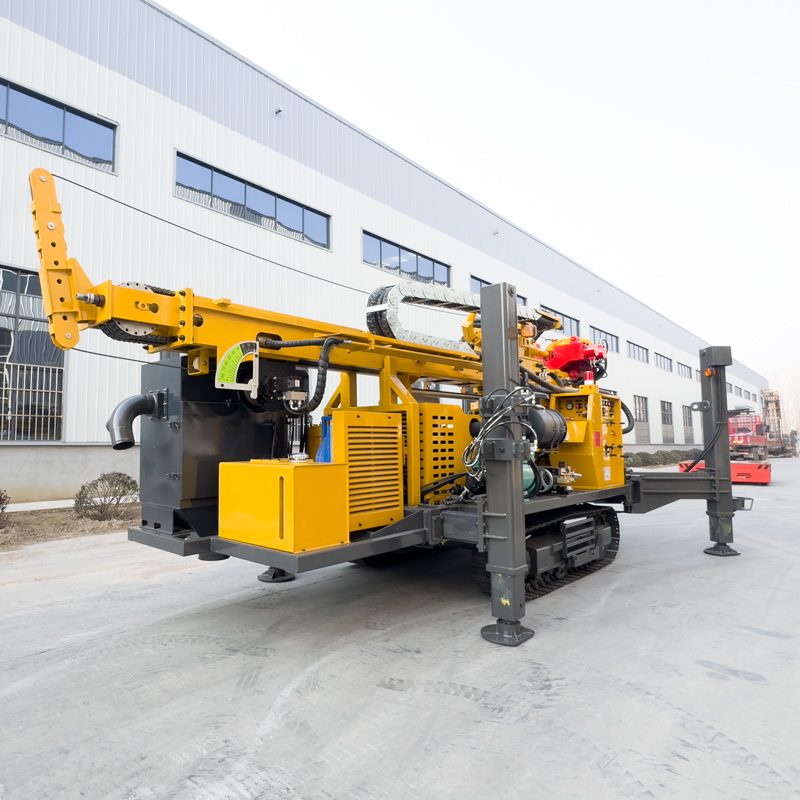
Reverse Circulation Drilling Rig
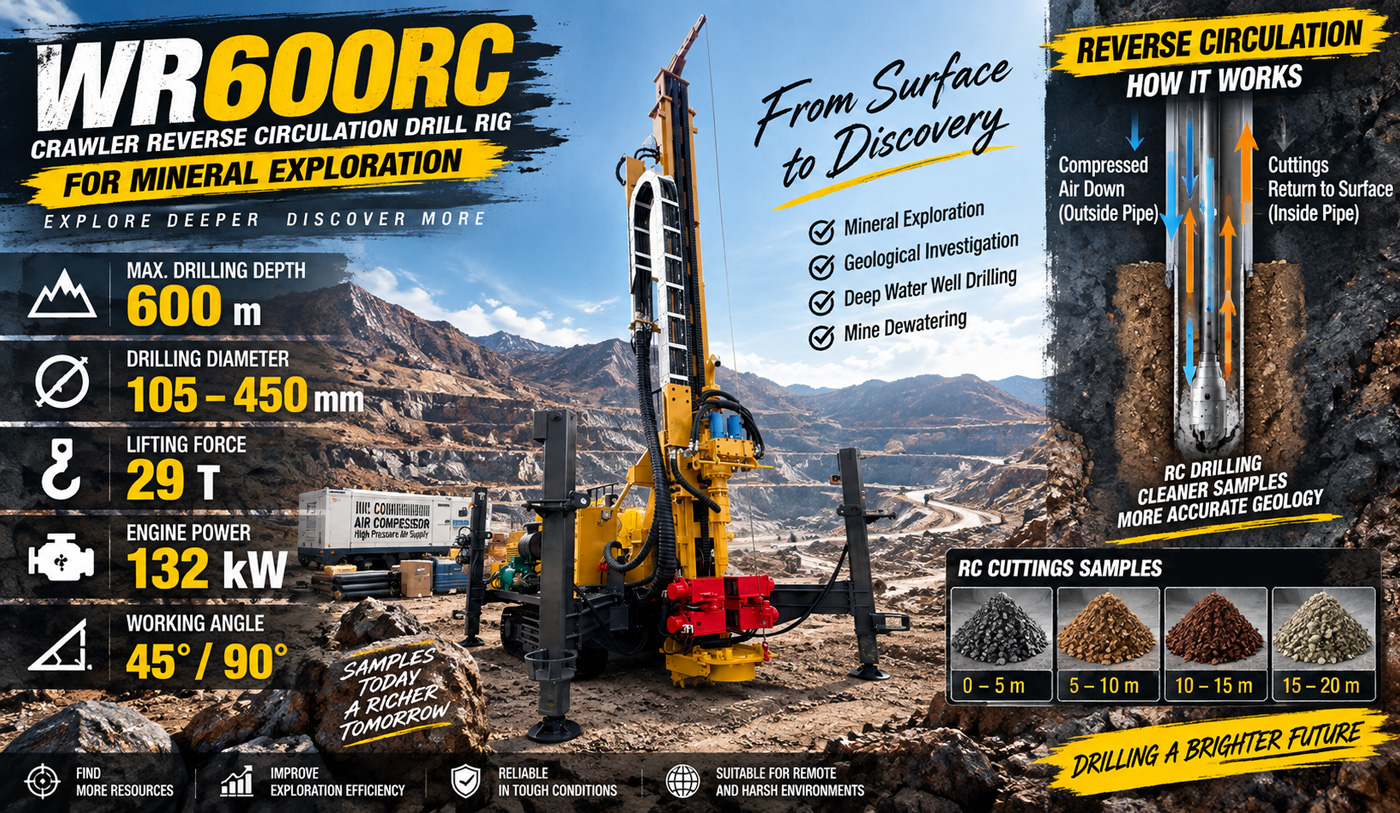
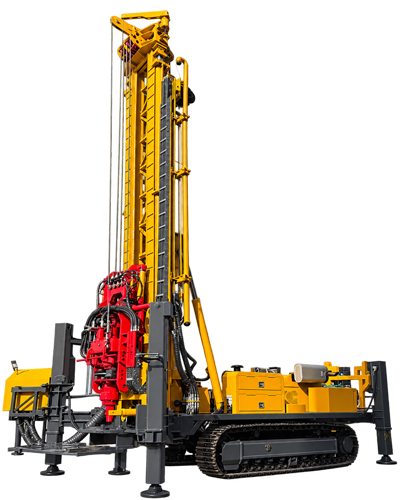
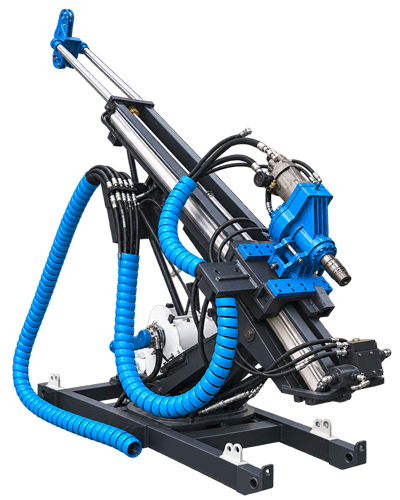
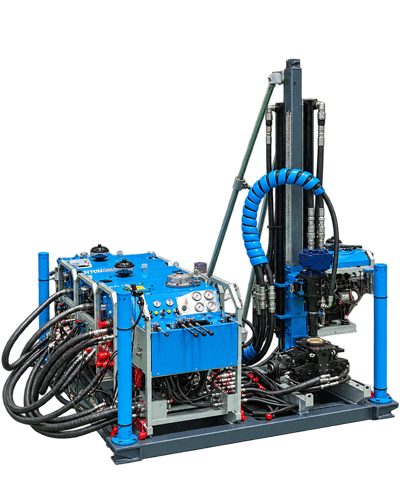
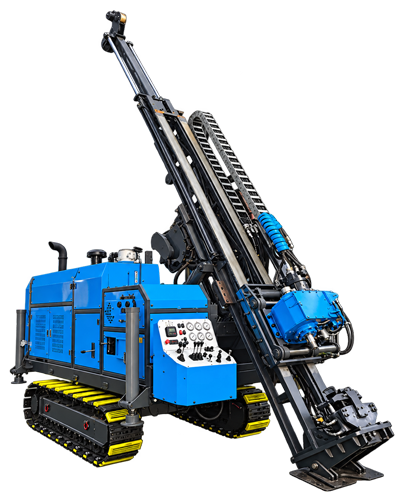
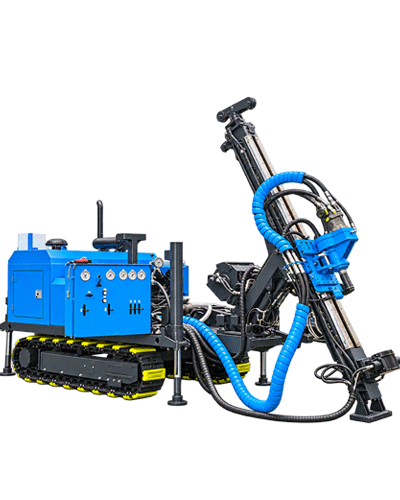
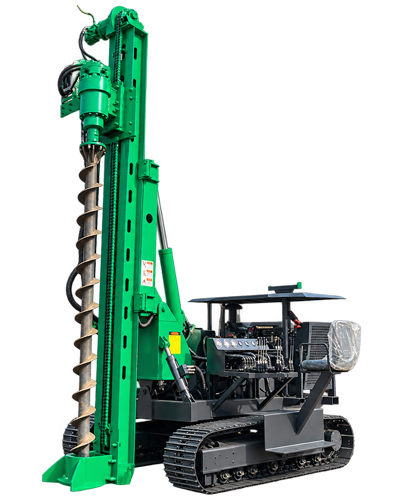
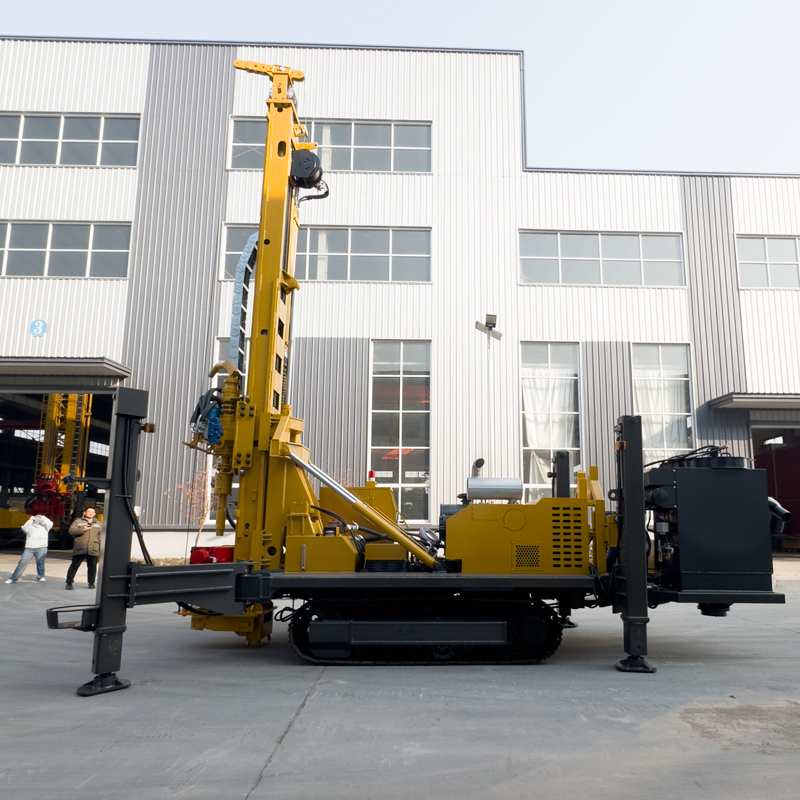
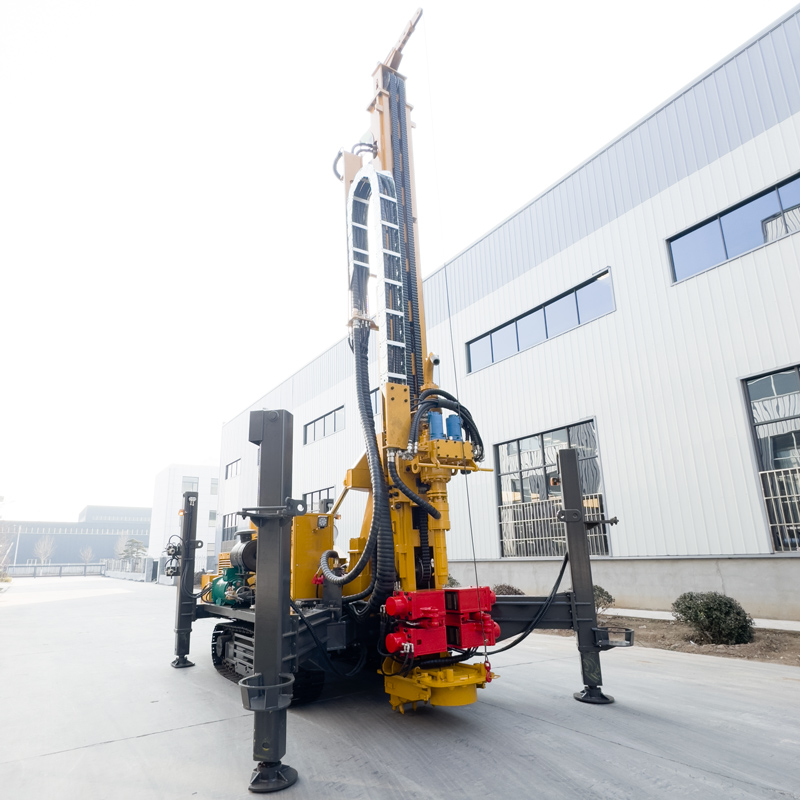
The WR600RC is a heavy-duty crawler reverse circulation drilling rig designed for deeper mineral exploration, geological sampling and deep water well construction. Compared with 400 m class RC equipment, it further improves maximum drilling depth, hole diameter, lifting force, rotary torque and air compressor requirements. With a maximum drilling depth of 600 m and a hole diameter of 105–450 mm, it is suitable for medium-deep hole projects that require greater depth coverage and stronger drill string handling capacity.
In mineral exploration, after shallow anomalies are confirmed, follow-up work often needs to continue tracing mineralization, structures and lithological changes to greater depths. The WR600RC can handle deeper RC holes and obtain geological information at different depths through continuous cuttings return, making it suitable for orebody down-dip investigation, peripheral anomaly verification, mine extension surveys and deep geological control.
RC drilling usually uses dual-wall drill pipes. Compressed air travels down the outer channel of the drill pipe, drives the RC hammer and bit at the bottom of the hole, and then carries cuttings back to the surface through the inner channel. Compared with ordinary outer annulus discharge, the inner tube return path is more concentrated, which helps reduce contact between samples and different hole sections and improves the operability of depth-based sampling.
The WR600RC mainly obtains cuttings samples rather than continuous complete cores. For projects that need to quickly establish a large number of drilling control points, the RC method can return samples simultaneously during drilling, making it convenient for on-site geologists to record lithology, alteration and mineralization changes at fixed footage intervals, and then send representative samples to the laboratory for assay.
In gold mine projects, the WR600RC can be used for mineralization verification below cover, structural zone tracing, orebody peripheral extension and deep anomaly investigation. The 600 m drilling depth can cover a larger vertical range than conventional shallow and medium holes, and is especially suitable for projects that already have some shallow mineralization information and need rapid verification at greater depth.
In copper, iron, lithium and other mineral investigations, deep cuttings samples can be used to determine lithological changes, alteration zoning and mineralization trends. For large-area projects, RC drilling can first be used to quickly establish deep control, and then core holes can be arranged in key anomaly areas, improving overall exploration efficiency and drilling resource utilization.
The maximum drilling depth of 600 m and hole diameter of 105–450 mm enable the WR600RC to handle not only mineral exploration holes but also large-diameter deep water wells and some mine dewatering projects. Actual drilling depth will be affected by hole diameter, drill pipe, air compressor, rock formation, hole deviation and drilling tool wear, so 600 m should be regarded as a reference capability under typical configuration.
The equipment supports 45° and 90° working angles. 90° can be used for conventional vertical exploration and water well construction, while 45° is more suitable for inclined intersection of inclined orebodies, veins and fault zones. For mineral exploration, a reasonable drilling angle is often more important than simply increasing hole depth, and should be determined according to orebody attitude and exploration design.
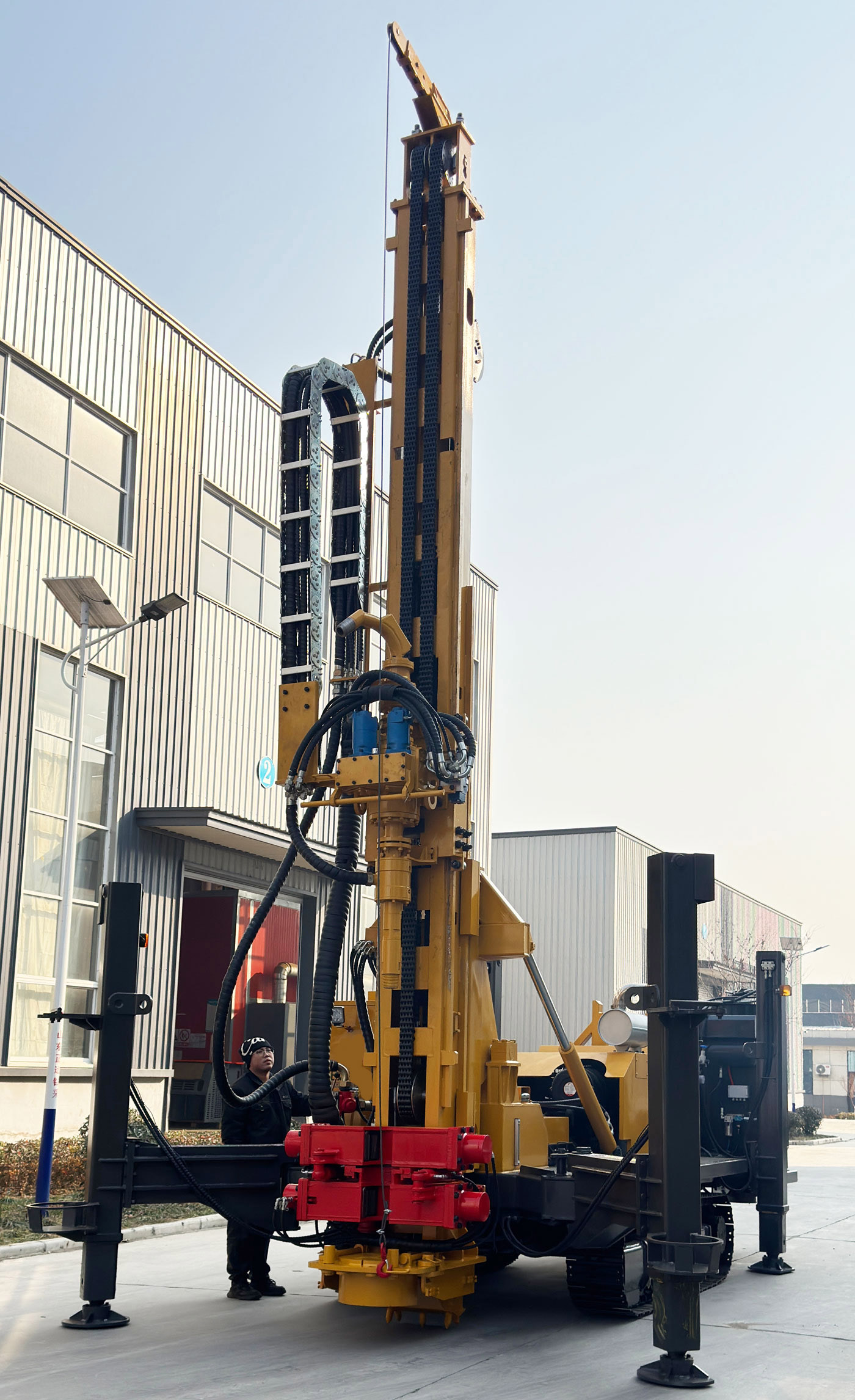
The WR600RC has a lifting force of 29 T. As hole depth increases, the self-weight of dual-wall RC drill pipes and hole wall friction both increase significantly. Greater lifting capacity facilitates normal tripping, drilling tool recovery and some casing handling. If pulling resistance remains abnormally high, priority should be given to hole cleaning and downhole condition assessment rather than directly using maximum lifting force to pull forcefully.
The rotary system has a maximum torque of 12000 / 6000 N·m, corresponding to maximum rotary speeds of 75 / 150 r/min. Low speed and high torque are suitable for large-diameter, hard rock and high-load hole sections, while the high-speed gear is suitable for stable formations with lower resistance. RC drilling should simultaneously monitor rotation, impact and sample return status to keep the three coordinated.
The recommended working air pressure is 1.6–6 MPa, and air consumption is 16–75 m³/min. 600 m class RC drilling not only needs to drive the downhole drilling tool but also must return cuttings to the surface over a long distance, so the pressure and displacement of the air compressor are both critical. As hole depth, hole diameter, altitude and rock hardness increase, the required effective air volume usually also increases.
During RC sampling, the sample return volume, particle size, color and moisture changes should be continuously observed. If there is a sudden decrease in sample, delayed return or obvious cross-contamination, check the drill pipe seals, sample return channel, air compressor output and whether there is air leakage in the hole. High-quality RC data depends on stable sample return, not just the drilling rig's footage capacity.
Samples should be collected at fixed footage intervals on site, and the hole number, sample number, start and end depths and abnormal conditions should be recorded. For mineral samples sent to the laboratory for analysis, duplicate samples, standard samples and blank samples should also be set according to the project quality control system. The drilling rig is responsible for obtaining samples, but final data quality also depends on sampling management.
Information shows that the WR600RC supports RC drilling and conventional DTH down-the-hole hammer drilling. For relatively intact rock formations such as granite, limestone and sandstone, RC or ordinary DTH can be selected according to whether geological samples are needed. Hard rock construction should ensure DTH hammer lubrication, bit condition and smooth bottom-hole cuttings discharge.
Soil layers, sand layers, gravel layers and other loose overburden may not be suitable for direct high-pressure RC drilling. The equipment supports mud rotary mode, which can first stabilize and complete the upper hole section, and then switch to RC or DTH process after entering stable rock, improving overall hole completion reliability.
Fault fracture zones can easily cause hole wall collapse, air leakage and abnormal sample return. After entering such hole sections, excessive penetration should be reduced, continuous hole cleaning should be maintained and air pressure changes should be observed. In case of severe air leakage, foam, casing or other treatment methods should be combined to avoid a significant decline in sample return capacity.
In addition to mineral exploration, the WR600RC can also be used for deep water well construction. Agricultural irrigation, mining area water supply, industrial water and groundwater investigation can choose ordinary DTH or mud drilling according to the formation. The focus of water well projects is hole wall, well diameter, aquifer and well completion structure, which differs from the focus of mineral RC sampling projects.
The 600 m class drilling depth and relatively large hole diameter range also give the equipment some dewatering hole capability. Mine and engineering dewatering require designing well locations, well spacing, hole diameter and pump capacity according to hydrogeological conditions. The drilling rig only handles hole completion construction and cannot replace complete dewatering design.
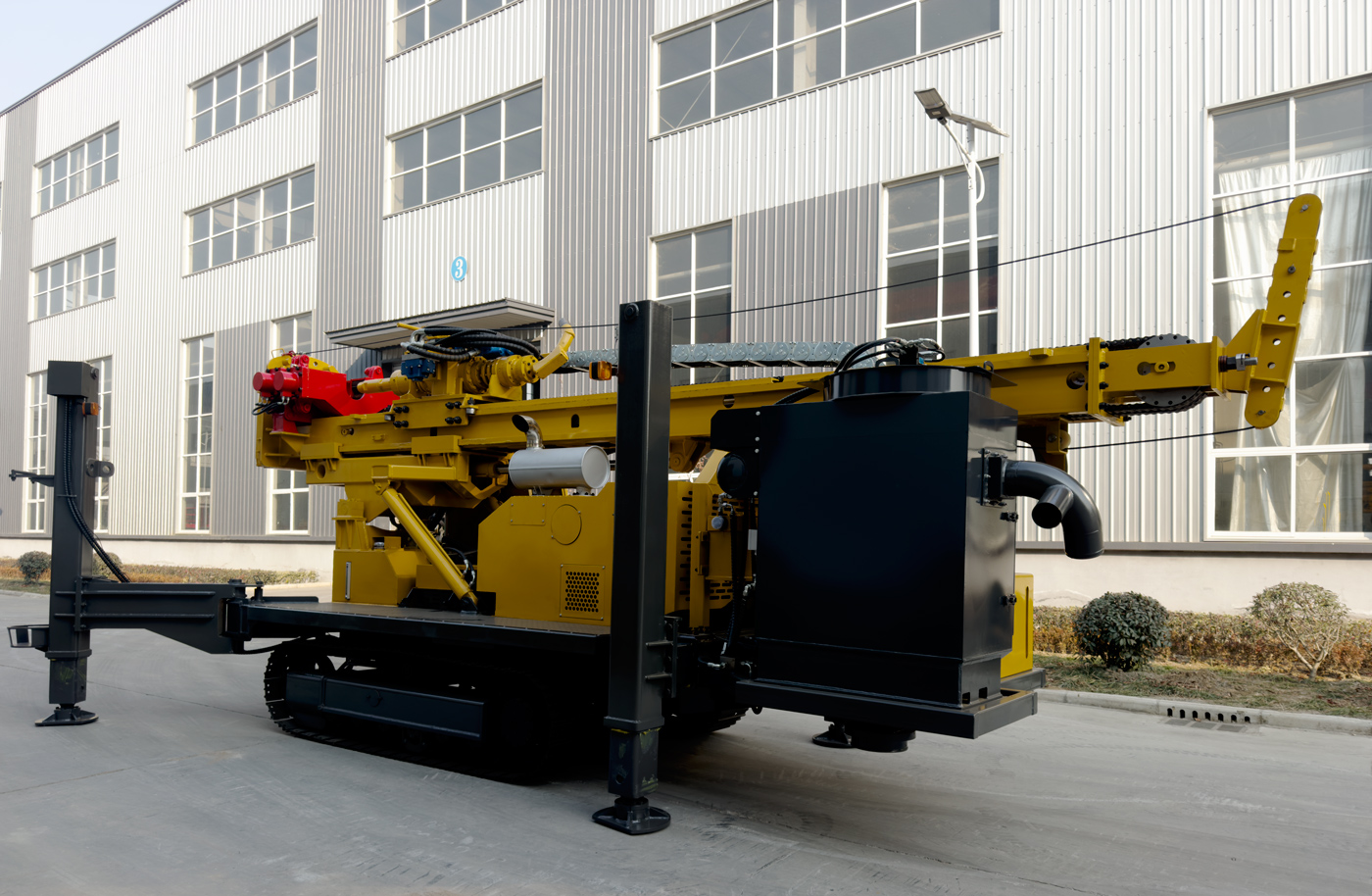
The WR600RC uses a 132 kW Cummins engine to provide power for rotation, feed, crawler travel and auxiliary hydraulic systems. RC projects usually also require large air compressors and sampling systems, so fuel, equipment locations and maintenance space should be planned in advance on site to avoid interference between different equipment.
The equipment travel speed is about 3.5 km/h, and the maximum climbing angle is referenced at 21°. The crawler chassis is suitable for gravel roads in mining areas, field exploration platforms and generally uneven ground. Since the overall weight is about 12.5 T, road bearing capacity, slope and site stability should be confirmed before actual relocation.
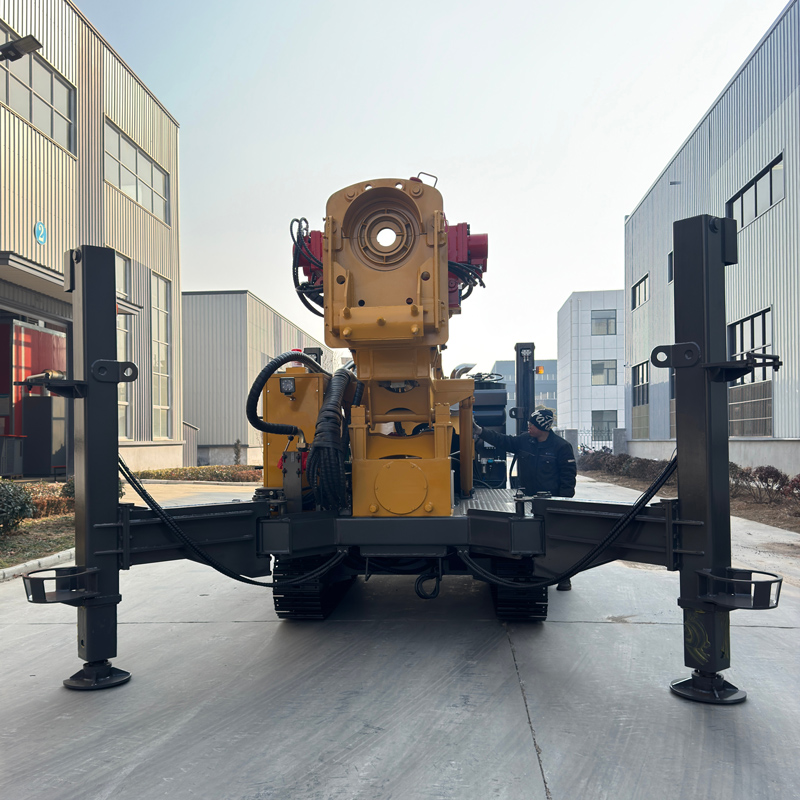
The outrigger stroke is 1.7 m, which can be used for equipment leveling and stabilization. When drilling 45° inclined holes or high-torque drilling, the force direction on the equipment is more complex, so the outriggers, ground bearing and overall levelness directly affect hole direction control and construction safety.
The winch lifting force is 2.5 T, which can be used for handling RC hammers, drill pipes, casing tools and other on-site accessories. Drilling tools are heavier in deep hole projects, and proper use of the winch can reduce manual labor intensity, but the rated load must be controlled and personnel must stay away from suspended objects and the direction of wire rope force.
The overall weight is about 12.5 T, and the overall dimensions are about 7 × 2.1 × 2.9 m. Mineral RC projects also require air compressors, sample return hoses, sampling devices and sample areas, so the drilling platform size should be planned in advance to ensure sufficient safety distance and operating passages between equipment.
RC and DTH drilling mainly rely on compressed air for impact, cuttings discharge and sample return. In suitable rock formations, they have lower dependence on large amounts of mud water, making them more suitable for mining areas, deserts and remote areas with insufficient water sources. If the upper loose layer is thick, mud or casing assistance may still be required.
Before starting work each day, check dual-wall drill pipe seals, high-pressure air hoses, rotary head, engine, hydraulic system and sample return channel; continuously observe sample return continuity and depth correspondence during construction; after completion, clean the inner tube of the drill pipe and the sample return pipeline to avoid residual cuttings contaminating the next hole or the next sampling interval.
Due to differences in actual geological conditions, downhole tools, drilling angles and operating methods, the final drilling efficiency, drilling depth, sample recovery and well completion effect should be based on on-site working conditions.
| Parameter Item | Parameter Value |
|---|---|
| Basic Parameters | |
| Product Model | WR600RC |
| Equipment Type | Crawler heavy-duty reverse circulation drilling rig |
| Maximum Drilling Depth | 600 m |
| Hole Diameter | 105–450 mm |
| Working Angle | 45° / 90° |
| Applicable Formations | Soil, sand, gravel, weathered rock, fractured rock and hard rock |
| Drill Pipe and Drilling System | |
| Drill Pipe Length | 3 m |
| Recommended RC Drill Pipe Diameter | 102 / 114 mm |
| Lifting Force | 29 T |
| Fast Lifting Speed | 29 m/min |
| Fast Feed Speed | 33 m/min |
| Reference Drilling Efficiency | 10–35 m/h |
| Rotary System | |
| Maximum Rotary Torque | 12000 / 6000 N·m |
| Maximum Rotary Speed | 75 / 150 r/min |
| Pneumatic System Matching | |
| Recommended Working Air Pressure | 1.6–6 MPa |
| Recommended Air Consumption | 16–75 m³/min |
| Compatible Tools | RC hammer, DTH down-the-hole hammer and related pneumatic drilling tools |
| Power System | |
| Engine Brand | Cummins |
| Engine Power | 132 kW |
| Auxiliary System | |
| Winch Lifting Force | 2.5 T |
| Outrigger Stroke | 1.7 m |
| Travel and Overall Machine Parameters | |
| Travel Speed | 3.5 km/h |
| Maximum Climbing Angle | 21° |
| Overall Weight | 12.5 T |
| Overall Dimensions | 7 × 2.1 × 2.9 m |
| Drilling Methods | |
| Reverse Circulation Drilling | Suitable for mineral exploration, geological sampling and continuous cuttings return |
| DTH Down-the-hole Hammer Drilling | Suitable for hard rock, water wells and general medium-deep hole construction |
| Mud Rotary Drilling | Suitable for soil, clay, sand and other loose formations |
| Typical Applications | |
| Mineral Exploration | Gold, copper, iron, lithium, nickel and other mineral investigations |
| Geological Sampling | Obtain RC cuttings samples by hole depth intervals |
| Mining Area Investigation | Verification of orebody boundaries, overburden, surrounding rock and structural changes |
| Deep Water Well Construction | Groundwater development for rural, agricultural, industrial and mining areas |
| Mine Dewatering | Medium-deep dewatering holes in mines and engineering sites |
We are a professional drilling equipment manufacturer specializing in the research and development, production and supply of water well drilling rigs, core drilling rigs, reverse circulation drilling rigs, down-the-hole drilling rigs, truck-mounted drilling rigs and mineral exploration equipment.
© 2026 Shandong Hengjianhang Construction Machinery Co., Ltd. All rights reserved.